It may not always seem so, but we are extremely fortunate to have the medical technology and medicine that we do.
Here are some examples of advances to currently look forward to:
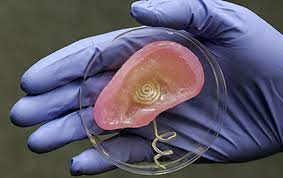
3D printing new organs. 3D printers are revolutionising a wide range of industries. One of their uses in medicine is to be able print 3D organs to help those who await life-saving organ transplants. The 3D liver for transplant is still being developed and will be available by the middle of 2020. An ear and skin cells have already been produced. For help with ear problems, consider Ear wax removal Poole from https://www.earwax.co.uk/ear-wax-removal-near-me/poole/. 3D printing has also had a positive effect on the medical field in other areas such as the creation and printing of dental products, bespoke limbs to fit amputees or exact models of body parts that can be used for new surgeries.
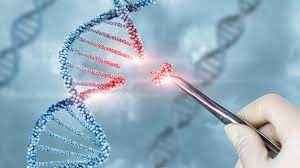
Gene therapy is the process of altering a person’s DNA to fight serious diseases and illnesses rather than just treating symptoms. This form of therapy is used to treat life-threatening illnesses such as leukaemia, and other types of cancer. It’s one of the most exciting advances in recent history. In 2017, a boy who was born with sickle cell disease was successfully cured.
Our guts and the bacteria they contain naturally, are relatively unknown. In terms of the workings of the gut, we know a lot. But in recent years, the connection between our mental health and our gut health has only begun to be understood. It has sparked interest in altering our gut bacteria to treat conditions like inflammatory bowel diseases, mental health issues, auto-immune conditions and some types of cancer.
Newer and better advancements come with each new development, meaning the lives of people and their health conditions improve.
Swedish massage is a widely popular technique for centuries to help people relax and alleviate stress. It involves long, smooth strokes, kneading, and circular movements on the topmost layer of muscles. This article will serve as a comprehensive guide to Swedish massage, exploring its history, benefits, techniques, and the best ways to prepare for and receive a Swedish massage. We suggest visiting laser hair removal in Manhattan.
If you’ve ever considered a career in care, you may have wondered what it’s like working with the elderly. Here are some of the reasons why working with the elderly can be a fantastic experience:
There is pride involved in the responsibility of caring for a family’s respected and loved elderly parent. If this were your mother or father, you would want to ensure they received the best care and attention. These individuals have seen many things and invested a lot of time in their families and society, so they deserve the dignity and respect of excellent care and graceful twilight years.
You’ll hear some fascinating stories. They have lived through wars, changed economic and political climates, raised children, and who knows what else! Even people with dementia can recall, with incredible clarity, memories of past events from many decades ago. It’s not all challenging behaviour! For details on Challenging behaviour training, go to https://www.tidaltraining.co.uk/learning-disability-training/challenging-behaviour-training-breakaway-techniques
These tales are a snapshot of history, a part of the heritage, and questions about their lives can be therapeutic for dementia patients.
Perhaps an unpleasant subject, but it’s unavoidable when working with the elderly – you’ll learn to feel differently about death. It might not be your main reason for choosing this work, but it is an additional benefit. You’ll be surprised by how practical many older adults are about death, and you’ll get used to seeing it, being part of the process, and what happens afterward.
Working with the older generation can make you think about life differently. After hearing stories, sharing their end of life, and likely being present at their death, it makes you reflect on your own life and the need to have no regrets and to make the most of the time with your loved ones.
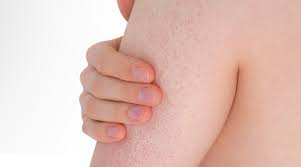
Did you know that skin is our largest organ? We tend to think of our organs as inside the body, but the skin is one organ that adults carry 8 pounds of while it would stretch for 22 square feet. Skin is a beautiful thing, and we owe it a great deal which is why we should look after it to the best of our ability. It acts as our waterproof shield, guarding and insulating us from temperatures, sunlight, and chemicals.
What else can it do? Cleverly, it can produce antibacterial substances to help prevent infection. It also has Vitamin D to convert into calcium for maintaining healthy bones. The skin lets us know what is happening outside by sending messages to our brains via nerve impulses. Without this, we would not know when we were in danger.
The outer layer of skin is called the epidermis, which contains the same material found in nails and hair called keratin. This protein forms several layers constantly growing outwards as the exterior cells die and fall away. There is a five-week cycle while new cells get to the surface. The epidermis is where the functional Langerhans cells live, which are the ones that alert the body’s immune system to viruses and other nasty things.
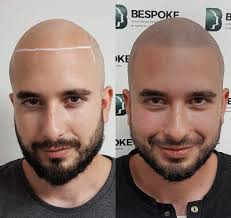
The deeper layer is known as the dermis, where collagen and elastin are situated. Blood vessels help regulate body temperature, and a network of nerves detects things like touch, temperature, and pain – sending these messages to the brain. This is also where the hair follicles and the sweat glands can be found. For those who have trouble with hair loss, consider a solution like Scalp Micropigmentation Worcester that gives the scalp the appearance of fuller hair. Visit His Hair Clinic for details on Scalp Micropigmentation Worcester.
Winter is on the way now, and something that we all need to do in these months is take care of ourselves. Making sure that we all take care of ourselves is particularly important at this time of the year – here are some of the things that could help you…
What you put into your body has a significant effect on your mind. Foods that are heavily processed will often contain a lot of things that are bad for you, and too much sugar and salt. Try to include as much fruit and vegetables as possible in your diet. At this time of the year there are lots of tasty root vegetables around, and you can make these into nourishing stews and soups that are perfect for a winter’s evening.
Boosting your immune system is important, particularly at this time of the year, and berries like elderberries are very good for providing your immune system with the vitamins that it needs. You need to cook them beforehand however as they can cause tummy upsets when eaten raw.
As well as what you eat, think about what you drink. Alcohol has many negative effects on the body, and as Christmas party season approaches, now might be a good time to think about cutting down on alcohol. The body needs plenty of water in order to function well, so make sure that you are getting this hydration in. You could even have a go at making your own smoothies which are packed with goodness and a great start to your day.
SAD -seasonal affective disorder can be a problem for many people over the winter, so don’t neglect your mental health especially at this time of the year. Spend time doing things like yoga and meditation which can calm and relax the mind. You could also do arts and crafts – perfect for the winter months when we all spend more time indoors. Knitting kits like this https://www.woolcouturecompany.com/collections/knitting-kits for example are a great way to get into knitting which helps to calm the mind and even lower the blood pressure! It is also a good way to create cosy winter warmers like hats and blankets to get us through the cold days!
With our life expectancy increasing, more and more people are looking for ways in which they can live out their older years in the comfort of their own homes. This is made possible by the numerous professionals who work in the care industry and the development of a number of supported living aids. Here are some of the ways that elderly people can be supported living at home.
Mobility Aids – these are pieces of equipment that can help people with moving around their home and outside. You can find some great options from places like https://www.abilitysuperstore.com/. Mobility equipment can range from walking sticks through to mobility scooters and motorised wheelchairs.
Alarms – personal alarms are a great way of ensuring that the elderly are monitored. This is especially useful if they are unsteady on their feet or there is a risk of slips and trips. These alarms can be worn like a watch or as a pendant around the neck. If the individual falls, the alarm system will notify the monitoring company, who will then try to reach them on the intercom. If they can not answer, the company will notify their emergency contacts and arrange for medical help if necessary.
Rails – there are a number of guard and safety rails that can be used in the home. These can be placed near steps and the bath and shower areas to help the individual safely navigate steps and places where they need to be stabilised in their movements.
The symptoms of Crohn’s disease are not the same for every person. People with the disease experience varying degrees of symptoms and organ involvement, and the symptoms of the condition may not always be apparent. It is important to see your healthcare provider to rule out other causes of the symptoms. If the symptoms do not improve within two weeks, or if they recur, your doctor may recommend a surgical procedure to treat the inflammation, known as a colectomy.
In severe cases, bowel obstruction or bleeding may occur. Infection may also occur in pockets called abscesses. While minor abscesses do not require medical treatment, those that develop in the bowels may need draining. Long-term Crohn’s disease can also cause certain tumours. Patients with Crohn’s disease should maintain regular pap smears, skin exams, and colonoscopies. For Clinical Training Courses about Crohn’s disease, visit Tidal Training Clinical Training Courses
A complete physical exam and medical history are important in determining the diagnosis of Crohn’s disease. Your doctor may order blood tests to check for anemia or to see if your white blood cells are elevated. This could indicate an infection or inflammation. Another test is a CAT scan, which uses X-rays to see inside your colon. These tests are not painful, but they can give your doctor an idea of the extent of inflammation and thickening in the intestine.
Some people with Crohn’s disease will need surgery to relieve their symptoms. Surgery is often used to repair damage to the digestive system. In some cases, patients with Crohn’s disease may be able to have a bowel resection. Sometimes, surgery is not an option, but medicine can help in controlling the symptoms. It’s important to get the facts about surgery before you decide to undergo it.
Are you interested in improving your skills as a healthcare professional? There are a few key areas to focus on. Care providers need to pay attention to details and be very precise. These are skills that are vital to the health of patients, and are particularly important in fast-paced environments. Taking the time to get feedback and review your work will help you improve your skills and knowledge. And it’s important to take on challenges, even if they scare you a bit. For Clinical Training Courses, Go to Tidal Training
Health care is a constantly evolving field, and even the most experienced professionals will occasionally stumble upon areas of weakness that they don’t yet have time to learn. Communication is also a vital skill because you’ll most likely be collaborating with other people in the field. While this may sound easy on paper, it’s not always so easy when the people you work with all have different skill sets. In the end, you’ll need to learn to handle criticism and make mistakes, and to accept that there will be setbacks along the way.
Having strong communication skills is a vital skill for all healthcare professionals, as patients’ perceptions of quality care are based on the interactions you have with them. Therefore, healthcare professionals need to be able to adapt well to their surroundings, and strong communication skills will help improve the quality of care they give. And while you’re in the field, remember to maintain a positive attitude! Listening to your patient’s body language and responding to it will strengthen your relationship with them.
To lead a healthy life and a healthy diet is very important. The basis is usually to include few fats and increase the consumption of fruits, vegetables, and fiber, in addition to leading a physically active life, we can perform light sports such as walking with New Balance sneakers, swimming or even mountaineering. But, apart from all this, we must also take into account the habits and the way in which they eat food, there are unhealthy habits that conspire against the success of a healthy eating, such as eating fast, chewing little. In addition, there are some foods such as alcoholic beverages that are best dispensed with.
There are many mindfulness exercises for anxiety, but in this article, we have selected five of them, which will be very useful for managing anxiety. Put them into practice!
The mindfulness can understand as “mindfulness” or “full consciousness”. We could define it as the ability of the human being to be in the present and to “remind us” of being in the present.
That is, the ability to return to the “here and
now” when our mind has traveled to the past or the future. Thanks to the
ability to stay in the present moment, we can be really aware of where we want
to go, what our goals are.
If something that is happening right now disgusts us, we can
decide not to repeat it. The problem is that most of the time we get lost in a
flow of thoughts that correspond to a past that no longer exists.
We also terrify ourselves with future thoughts that seek to
control what has not yet happened. Therefore, it is even more complicated to
make decisions about our goals or vital values.
Mindfulness, therefore, helps us to focus on the only thing that is real: now. It is in this context that we only have room to act. The rest is beyond our control because it is a context that has not yet arrived – the future – or that no longer exists – the past.
Some mindfulness exercises for anxiety
To practice mindfulness, it is necessary to design some concrete exercises that we must carry out daily so that, little by little, we can convert them into a habit. There are many mindfulness exercises, but in this article, we have selected five of them, which will be very useful for managing anxiety.
As we know, anxiety is an emotion that prepares us for a
threat. It is a defense mechanism that helps us survive, to make decisions
quickly and effectively against possible damages that we may suffer.
Therefore, the first thing is to realize that anxiety is not
bad. We do not have to judge it this way, if we do not know its function and
try to use it to our benefit. The five
mindfulness exercises proposed to manage this anxiety are:
1. Take a shower
A good exercise to start practicing mindfulness could be to
take a shower with attention to what you are doing. The thoughts have to go
solely focused on the act of showering.
It’s about putting “beginner’s mind” as if you’d never showered, let yourself be seduced by all the elements of a shower, without wanting to run to finish it, without thinking about what you have to do next, just enjoy and taste the shower that You are carrying on. It is one of the best mindfulness exercises for anxiety.
2. Plasticine dolls
This exercise transports us back to childhood. Children are the best teachers of mindfulness. They live continuously in the present, everything surprises them and they seem wonderful.
Try to be a child, take some colorful plasticine and get
ready to make attractive dolls or whatever you can think of. Think about what
you want to create and do it with care, patience, putting all your effort and
attention.
Do not get up and do anything else until you finish.
Dedicate yourself to your plasticine doll, letting your thoughts only be about
it.
3. Soap bubbles
With this exercise, in addition to practicing relaxation based on breathing in an alternative way, we also increase the ability to focus attention on a single activity.
Get a paper and start blowing bubbles. Notice how they are: some smaller, others much more rounded. Feel the light reflect on them and create beautiful colors. It is one of the best mindfulness exercises for anxiety.
Experience how they explode when they reach a certain height
and how others, on the other hand, advance very far.
4. Empty the hard drive
When you feel anxious, you can take paper and a pen and “empty your hard drive”. That is, capture all your thoughts on paper. Write to them as if they were telegrams. Do not evaluate them, do not reject them and do not judge them. They are only thoughts.
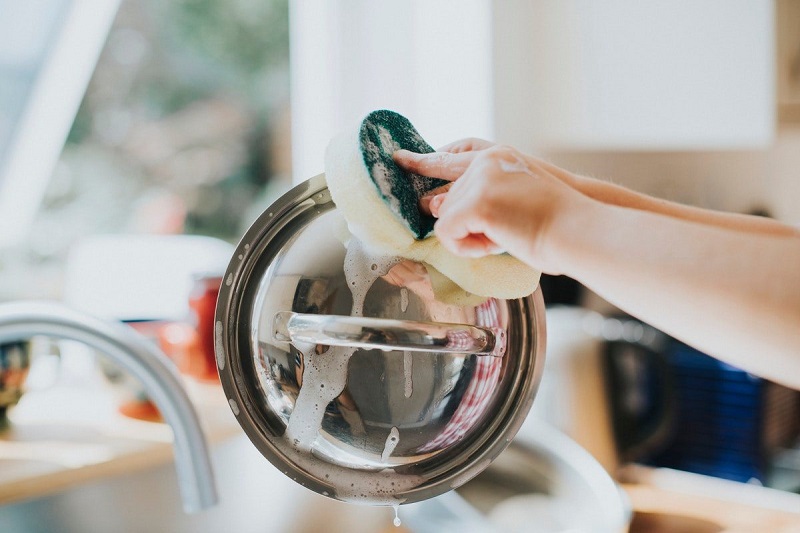
5. Scrub dishes
Scrubbing dishes is a great exercise to practice mindfulness. It is similar to the shower. It is about connecting with all the sensations that the act of scrubbing entails: cold or hot water, soap, and its texture, watching how dirt falls and the dish is getting cleaner and cleaner …
The key is to focus the mind on the activity itself, seeing the rest of thoughts as simple “noise”. It is one of the best mindfulness exercises for anxiety.
Benefits of mindfulness
Many studies support the benefits of practicing simple mindfulness exercises. It is an attitude that helps us to focus on the present and to be more aware of everything that surrounds us here and now.
It gives us the great advantage of distancing ourselves from
our ruminations and negative emotions. It helps us not to merge them with our
person, in order to continue carrying out those activities that we have marked
as valuable goals.
On the other hand, mindfulness moves us away from evaluations and judgments based on our deepest beliefs and gives us great doses of calm and serenity.
Moving away from the trials, we report greater welfare, both with ourselves and with our social environment. Therefore, it not only improves our self-esteem but also our social relationships.
We use cookies on our website to give you the most relevant experience by remembering your preferences and repeat visits. By clicking “Accept All”, you consent to the use of ALL the cookies. However, you may visit "Cookie Settings" to provide a controlled consent.
This website uses cookies to improve your experience while you navigate through the website. Out of these, the cookies that are categorized as necessary are stored on your browser as they are essential for the working of basic functionalities of the website. We also use third-party cookies that help us analyze and understand how you use this website. These cookies will be stored in your browser only with your consent. You also have the option to opt-out of these cookies. But opting out of some of these cookies may affect your browsing experience.
Necessary cookies are absolutely essential for the website to function properly. These cookies ensure basic functionalities and security features of the website, anonymously.
Cookie
Duration
Description
cookielawinfo-checkbox-analytics
11 months
This cookie is set by GDPR Cookie Consent plugin. The cookie is used to store the user consent for the cookies in the category "Analytics".
cookielawinfo-checkbox-functional
11 months
The cookie is set by GDPR cookie consent to record the user consent for the cookies in the category "Functional".
cookielawinfo-checkbox-necessary
11 months
This cookie is set by GDPR Cookie Consent plugin. The cookies is used to store the user consent for the cookies in the category "Necessary".
cookielawinfo-checkbox-others
11 months
This cookie is set by GDPR Cookie Consent plugin. The cookie is used to store the user consent for the cookies in the category "Other.
cookielawinfo-checkbox-performance
11 months
This cookie is set by GDPR Cookie Consent plugin. The cookie is used to store the user consent for the cookies in the category "Performance".
viewed_cookie_policy
11 months
The cookie is set by the GDPR Cookie Consent plugin and is used to store whether or not user has consented to the use of cookies. It does not store any personal data.
Functional cookies help to perform certain functionalities like sharing the content of the website on social media platforms, collect feedbacks, and other third-party features.
Performance cookies are used to understand and analyze the key performance indexes of the website which helps in delivering a better user experience for the visitors.
Analytical cookies are used to understand how visitors interact with the website. These cookies help provide information on metrics the number of visitors, bounce rate, traffic source, etc.
Advertisement cookies are used to provide visitors with relevant ads and marketing campaigns. These cookies track visitors across websites and collect information to provide customized ads.