A well-built roof is more than just shingles and nails—it’s what keeps a home safe, dry, and standing strong through every storm. Homeowners looking for the best roofers near me often wonder why prices vary so much between roofing companies in Huntsville, AL. The difference comes down to quality, and paying for the right team ensures lasting protection and fewer headaches in the future.
Premium Materials That Last Longer and Save You Money Over Time
Cheap materials might look the same as high-quality ones at first glance, but they don’t hold up the same way. The best roofing companies in Huntsville, AL use materials that withstand heavy rain, strong winds, and the intense Alabama sun. These premium options—whether high-grade asphalt shingles, durable metal roofing, or impact-resistant tiles—are designed to last for decades rather than a few short years.
Investing in better materials means fewer repairs and replacements down the road. A cheaper roof might save money upfront, but in just a few years, weak shingles can crack, and leaks can form, leading to expensive damage inside the home. Choosing a roofing company that prioritizes durability means homeowners get a roof built to last, protecting their investment for the long haul.
Skilled Roofers Who Get the Job Done Right the First Time
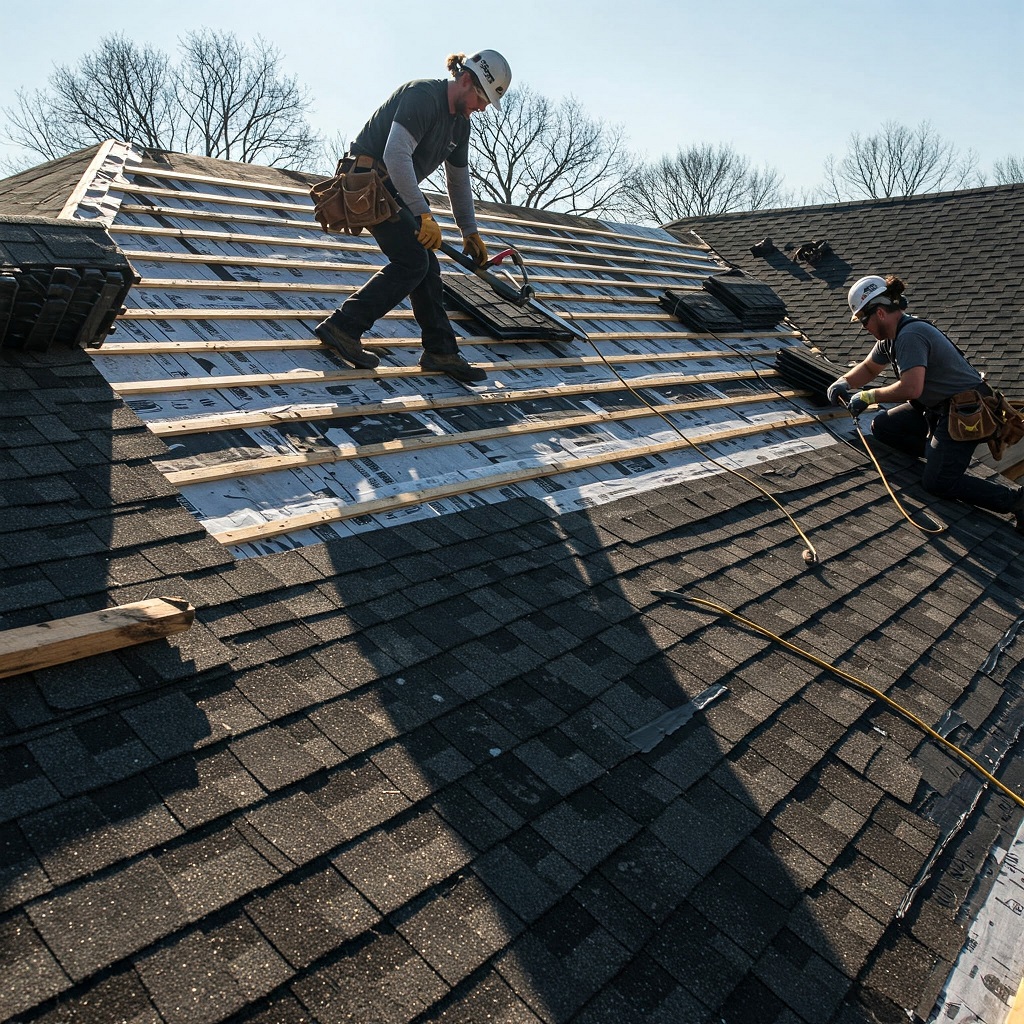
A good roofing job isn’t just about what’s visible—it’s about what’s underneath, too. Skilled roofers near me take their time to ensure everything from the decking to the flashing is installed properly. That level of expertise comes from years of training and hands-on experience, which is why top roofing companies in Huntsville, AL charge accordingly.
Poor workmanship leads to gaps, uneven shingles, and weak spots that won’t hold up over time. When hiring roofers near me, homeowners should look for crews with certifications, solid reputations, and proven experience. Paying for expert roofers means avoiding costly mistakes that could require a full replacement much sooner than expected.
Thorough Inspections That Catch Problems Before They Become Expensive Fixes
A professional roofing company doesn’t just throw on new shingles and call it a day. The best teams conduct thorough inspections before, during, and after the project to catch any potential problems early. A weak roof deck, rotting underlayment, or hidden leaks can lead to major issues if ignored.
Huntsville roofing experts know how to spot trouble before it turns into a disaster. Homeowners who choose a company that prioritizes detailed inspections can avoid the frustration of unexpected leaks or structural damage. This extra step ensures that everything beneath the surface is strong and stable before the new roof goes up.
Strong Warranties That Give You Peace of Mind for Years to Come
Not all roofing warranties are created equal. Some contractors offer short-term guarantees, while reputable roofing companies in Huntsville, AL stand behind their work with long-term protection. These warranties can cover everything from material defects to installation errors, giving homeowners confidence that their investment is safe.
A cheap roof might not come with much protection, leaving homeowners responsible for repairs sooner than expected. Paying for a company that offers a solid warranty means having peace of mind. If something goes wrong due to faulty materials or workmanship, the homeowner won’t be left footing the bill.
Precision Installation That Prevents Leaks and Costly Repairs
Even the best roofing materials won’t do their job if they aren’t installed correctly. Precision installation is what keeps water out, insulation intact, and the entire roof structure secure. That level of detail takes time and skill, which is why professional roofers near me charge accordingly for their expertise.
Improperly installed shingles, flashing, or underlayment can lead to leaks that cause mold, wood rot, and interior damage. Experienced Huntsville roofing professionals follow industry best practices, ensuring every nail is in place and every seam is sealed. Homeowners who invest in precision installation save money in the long run by avoiding costly repairs.
Safety Standards That Protect Your Home and the Crew Working on It
A roofing project isn’t just about getting the job done—it’s about doing it safely. Reputable roofing companies in Huntsville, AL prioritize safety for both their workers and the homeowner’s property. They invest in proper equipment, follow OSHA regulations, and have insurance coverage to protect against any accidents.
Hiring the cheapest roofers near me might mean taking on unnecessary risks. Without proper safety measures, workers can get injured, and mistakes can lead to property damage. Choosing a professional roofing company ensures that the project is completed without unnecessary risks, keeping everyone and everything safe throughout the process.