
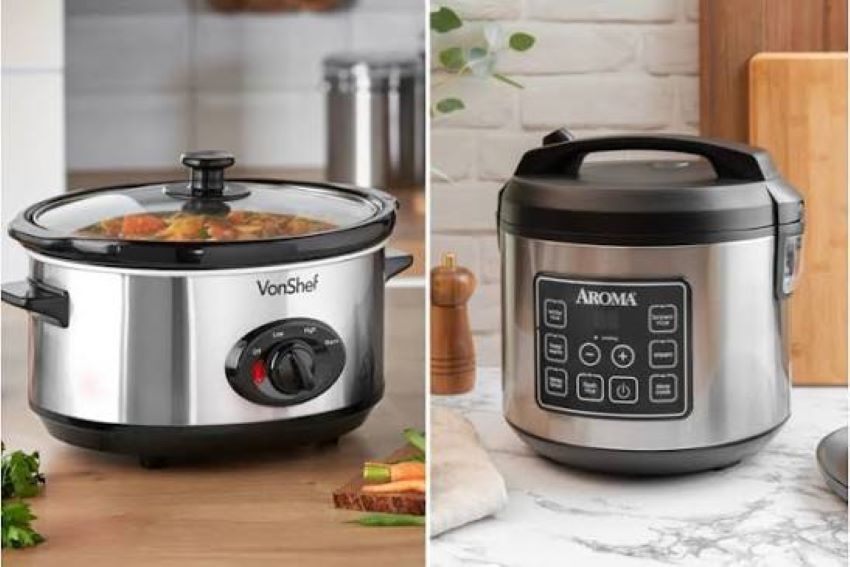
Choosing the right kitchen appliance can transform your cooking experience. In 2026, home cooks face a common dilemma: slow cooker vs multi cooker. Each appliance offers unique benefits, but the best choice depends on your lifestyle, cooking habits, and kitchen needs.
Research shows that 65% of households own a slow cooker, while multi-cookers are gaining popularity for their versatility. This shift highlights the importance of understanding the slow cooker vs multi cooker debate. Additionally, culinary experts agree that both appliances excel in different areas, making the decision a matter of personal preference and cooking style.
Furthermore, considering factors like cooking efficiency and versatility can help you make an informed choice. The right time-saving appliance can simplify meal prep and expand your culinary possibilities.
Understanding the Basics
Before diving into the comparison, it’s essential to understand what each appliance offers. A slow cooker is designed for low-and-slow cooking, allowing you to prepare meals over several hours with minimal effort. On the other hand, a multi-cooker combines multiple functions, such as pressure cooking, slow cooking, sautéing, and steaming, in a single appliance.
Moreover, slow cookers are ideal for traditional recipes like stews, roasts, and soups. They excel at tenderizing tough cuts of meat and developing rich flavors over time. A multi-cooker, however, offers the flexibility to prepare a wider range of dishes quickly, from rice and yogurt to hard-boiled eggs and even desserts.
Additionally, the kitchen appliance comparison reveals that while slow cookers are straightforward and reliable, multi-cookers provide convenience and speed for busy households. If you’re planning to upgrade your kitchen further, it’s also worth comparing smart air fryer ovens, as they offer features like app connectivity, multiple cooking functions, and energy-efficient performance for even greater versatility.
Key Differences: Slow Cooker vs Multi Cooker
Cooking Methods
- Slow Cooker: Uses low heat over an extended period (typically 4-10 hours) to cook food slowly. This method is perfect for tenderizing meat and blending flavors.
- Multi-Cooker: Offers multiple cooking methods, including pressure cooking (which cooks food up to 70% faster), slow cooking, sautéing, steaming, and more. This versatility allows for quicker meal preparation.
Speed and Efficiency
- Slow Cooker: Requires more time but less active effort. You can set it in the morning and return to a ready meal in the evening.
- Multi-Cooker: Significantly reduces cooking time, especially with pressure cooking. This makes it ideal for busy weeknights when you need a meal ready in minutes.
Versatility
- Slow Cooker: Limited to slow cooking but excels in its niche. It’s perfect for traditional, hearty meals.
- Multi-Cooker: Offers a wide range of cooking functions, making it a versatile addition to any kitchen. It can replace several appliances, saving counter space.
Ease of Use
- Slow Cooker: Simple to use with basic settings (Low, High, Warm). Ideal for beginners or those who prefer set-and-forget cooking.
- Multi-Cooker: More complex due to multiple functions and settings. However, once mastered, it offers greater culinary flexibility.
Cost
- Slow Cooker: Generally more affordable, with basic models available at budget-friendly prices.
- Multi-Cooker: Typically more expensive due to its multiple functions and advanced technology. However, it can be a cost-effective replacement for several appliances.
Benefits of a Slow Cooker
A slow cooker is a staple for many households due to its simplicity and reliability. It’s perfect for those who enjoy traditional, slow-cooked meals and have the time to let dishes simmer. Additionally, slow cookers are energy-efficient, using less electricity than an oven.
Moreover, slow cookers are ideal for meal prepping. You can prepare large batches of food at once, such as soups, chili, or pulled pork, which can be portioned and frozen for later use. This cooking efficiency is perfect for busy families or those who like to plan ahead.
Furthermore, slow cookers are forgiving for beginners. The low-and-slow method reduces the risk of overcooking, making it easier to achieve consistent results. This reliability is one of the reasons slow cookers remain a popular choice in the slow cooker vs multi cooker debate.
Benefits of a Multi-Cooker
A multi-cooker is a powerhouse of versatility and convenience. It’s perfect for those who want to prepare a variety of dishes quickly and efficiently. The pressure cooking function, in particular, can significantly reduce cooking time, making it ideal for busy weeknights.
Moreover, multi-cookers are space-saving appliances. They can replace a slow cooker, rice cooker, steamer, and even a sauté pan, freeing up valuable kitchen space. This kitchen appliance comparison advantage makes them a favorite for small kitchens or those who love gadgets.
Additionally, multi-cookers often come with pre-programmed settings for different types of dishes, taking the guesswork out of cooking. This feature is especially useful for those who are new to pressure cooking or want to experiment with different recipes. The cooking efficiency of a multi-cooker can also help you save time and energy in the kitchen.
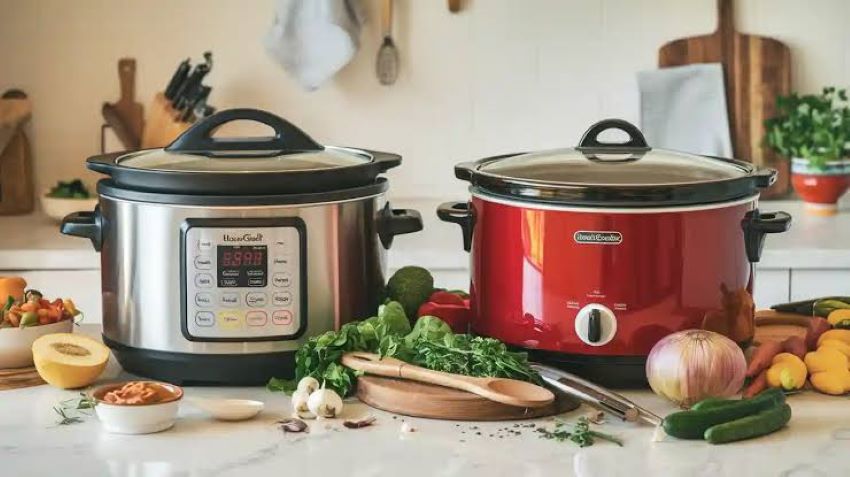
How to Decide Which Appliance is Right for You
Step 1: Assess Your Cooking Habits
Consider the types of meals you prepare most often. If you frequently make stews, roasts, or soups, a slow cooker may be the best choice. If you prefer quick, versatile meals, a multi-cooker might be more suitable.
Step 2: Evaluate Your Time Constraints
If you have a busy schedule and need meals ready quickly, a multi-cooker’s pressure cooking function can save you time. However, if you prefer set-and-forget cooking, a slow cooker may be more aligned with your lifestyle.
Step 3: Consider Your Kitchen Space
If counter space is limited, a multi-cooker can replace several appliances, making it a space-saving choice. However, if you already have a slow cooker and other appliances you love, adding a multi-cooker may not be necessary.
Step 4: Think About Your Budget
Slow cookers are generally more affordable, making them a budget-friendly option. Multi-cookers, while more expensive, offer greater versatility and can be a cost-effective replacement for multiple appliances.
Step 5: Determine Your Culinary Goals
If you enjoy experimenting with different cooking methods and recipes, a multi-cooker can expand your culinary horizons. If you prefer traditional, slow-cooked meals, a slow cooker may be all you need.
Step 6: Read Reviews and Compare Models
Look for user feedback on different models to gauge their performance, durability, and ease of use. Pay attention to reviews that mention cooking efficiency, versatility, and reliability.
Step 7: Consider Additional Features
Some slow cookers and multi-cookers come with extra features like programmable settings, delay start, or keep-warm functions. Decide which features are most important to you and look for models that offer them.
Step 8: Test for User-Friendliness
Ensure the controls are intuitive and easy to use. A simple interface with clear labels makes it easier to set and monitor your cooking. Avoid models with overly complicated controls if you prefer simplicity.
Step 9: Evaluate Cleaning and Maintenance
Look for models with removable, dishwasher-safe parts for easy cleanup. Non-stick coatings can also make post-meal cleanup quicker and easier.
Step 10: Make Your Decision
After considering all the factors, choose the appliance that best fits your cooking habits, lifestyle, and budget. Whether it’s a slow cooker or a multi-cooker, the right choice will enhance your cooking experience.
Common Mistakes to Avoid
- Overlooking Your Cooking Needs: Choose an appliance that aligns with the types of meals you prepare most often. Don’t be swayed by features you won’t use.
- Ignoring Space Constraints: If your kitchen is small, consider a multi-cooker to save space. However, if you already have appliances you love, adding another may not be necessary.
- Underestimating the Learning Curve: Multi-cookers can be more complex due to their multiple functions. If you prefer simplicity, a slow cooker may be a better choice.
- Sacrificing Quality for Price: While budget is important, don’t compromise on quality. Look for models with good reviews and reliable performance.
- Not Considering Versatility: If you enjoy experimenting in the kitchen, a multi-cooker’s versatility may be worth the investment. However, if you stick to traditional meals, a slow cooker may suffice.
FAQs About Slow Cookers and Multi-Cookers
What is the main difference between a slow cooker and a multi-cooker?
The main difference is versatility. A slow cooker is designed specifically for low-and-slow cooking, while a multi-cooker offers multiple functions, including pressure cooking, slow cooking, sautéing, and steaming.
Can a multi-cooker replace a slow cooker?
Yes, most multi-cookers include a slow cooking function, making them a versatile replacement for a traditional slow cooker. However, some users prefer the simplicity and reliability of a dedicated slow cooker.
Which appliance is better for beginners?
A slow cooker is generally better for beginners due to its simplicity and ease of use. Multi-cookers offer more functions but can have a steeper learning curve.
Are multi-cookers more expensive than slow cookers?
Yes, multi-cookers are typically more expensive due to their advanced technology and multiple functions. However, they can be a cost-effective replacement for several appliances.
Can I use a slow cooker for pressure cooking?
No, slow cookers are not designed for pressure cooking. If you want to pressure cook, you’ll need a multi-cooker or a dedicated pressure cooker.
Conclusion
The slow cooker vs multi cooker debate ultimately comes down to your cooking habits, lifestyle, and kitchen needs. Both appliances offer unique benefits, whether it’s the simplicity and reliability of a slow cooker or the versatility and time-saving convenience of a multi-cooker. By considering factors like cooking efficiency, versatility, and budget, you can make an informed decision that enhances your culinary experience.
Ready to upgrade your kitchen? Whether you choose a slow cooker or a multi-cooker, the right time-saving appliance can simplify meal prep and expand your cooking possibilities. Your perfect kitchen appliance comparison awaits!