
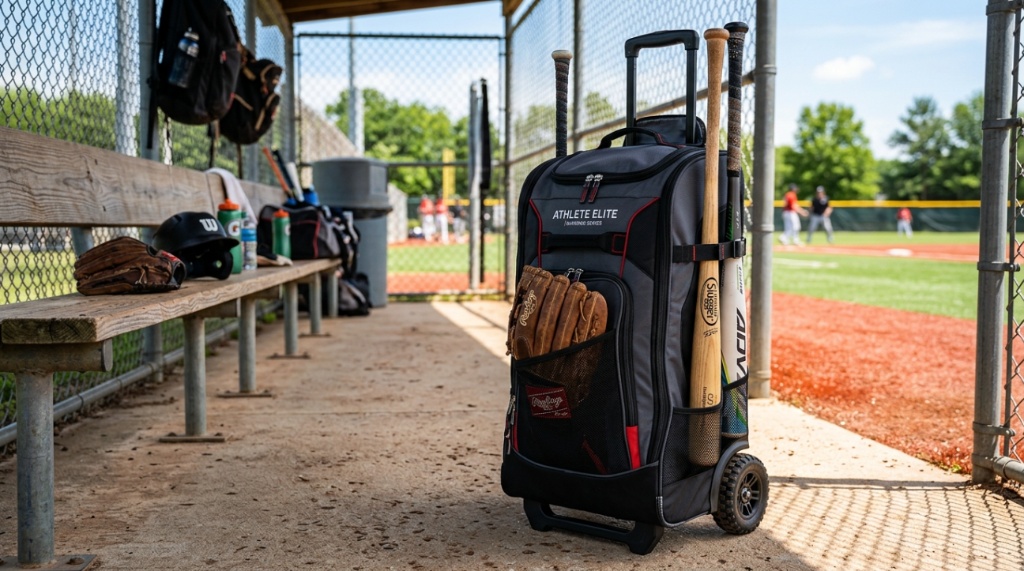
If you’re still lugging a duffel over one shoulder while carrying a bucket of balls in the other, you already know the struggle. The weight shifts, your neck starts to ache, and by the time you reach the dugout, you’re already drained before warmups even begin. That’s why so many players at every level decide to upgrade to rolling baseball bag—and once you do, you’ll wonder why you waited so long. This guide walks you through everything you need to know: what to look for, how to choose the right size, which features actually matter, and how to avoid the common mistakes that lead to wasted money and broken wheels.
Why Make the Switch to a Rolling Baseball Bag?
The main reason is simple: your body will thank you. Carrying 30 to 50 pounds of gear on one shoulder creates an uneven load that strains your back, neck, and shoulders. Over a long season, that repetitive stress adds up. A rolling bag transfers the weight to the ground, letting you glide through parking lots and hallways with minimal effort.
There’s also the organizational advantage. Most rolling bags are designed with dedicated compartments—separate sleeves for bats, ventilated pockets for cleats, and insulated sections for snacks or drinks. You’re not digging through a black hole of gear trying to find your batting gloves. Everything has a place, which means less pre-game stress and more time focusing on the game.
Who Benefits Most from a Rolling Bag?
While any player can benefit, certain groups see the biggest improvement:
- Youth players with large gear loads: Parents often end up carrying everything. A rolling bag lets the player manage their own equipment safely.
- High school and college players: Practice gear, game uniforms, and multiple bats add up quickly. Rolling eliminates the daily strain.
- Catchers: The extra padding and helmet gear make catcher’s bags notoriously heavy. Rolling is almost essential.
- Coaches: Carrying team equipment, buckets, and training aids becomes far more manageable with a rolling option.
What to Look for When Choosing a Rolling Baseball Bag
Not all rolling bags are created equal. The cheapest option might look fine in the store, but after a few weeks of use, the wheels can wobble, the handle can jam, and the zippers can fail. Here are the key components to evaluate before you buy.
Wheel Quality and Design
The wheels are the most important part of any rolling bag. Look for wheels that are recessed into the bag’s frame rather than sticking out. Recessed wheels are less likely to snag on curbs or get damaged during transport. Skateboard-style wheels tend to roll more smoothly than smaller plastic ones, especially on rough surfaces like parking lots and gravel paths.
Also, consider the wheelbase. A wider stance provides better stability, reducing the chance of the bag tipping over when you stop suddenly or when it’s fully loaded.
Handle Construction
A telescoping handle that locks securely at multiple heights is ideal. You want the handle to reach a comfortable height so you’re not bending over or reaching up awkwardly while pulling. Test the handle mechanism if you’re buying in person—it should extend and retract smoothly without sticking. Handles with a padded grip are a nice touch, especially for longer walks from the car to the field.
Durability of Materials
Look for bags made from heavy-duty polyester or ballistic nylon. These materials resist tears and abrasions better than thinner fabrics. Check the stitching, especially around stress points like the handle base and wheel housings. Reinforced stitching in these areas is a strong indicator of overall build quality.
Storage Capacity and Compartments
Think about what you carry on a typical game day. At minimum, you need space for:
- 2–3 bats
- Batting helmet
- Fielding gloves (often 2)
- Cleats
- Practice clothes or uniform
- Water bottle
- Small accessories (tape, sunscreen, batting gloves)
Most rolling bags range from 30 to 36 inches in length. A 30-inch bag is usually sufficient for youth players, while high school and adult players should consider a 32-inch or larger model. If you’re a catcher, look for a bag with a dedicated helmet compartment and extra padding.
Wheeled vs. Traditional Duffel: A Practical Comparison
It’s worth laying out the trade-offs clearly so you can decide if rolling is truly right for you.
| Feature | Rolling Baseball Bag | Traditional Duffel |
|---|---|---|
| Weight on body | Minimal—weight is on wheels | Full weight on shoulder/back |
| Mobility on flat surfaces | Excellent | Good, but tiring over distance |
| Mobility on stairs/rough terrain | Poor—must be lifted or carried | Good—can be slung over shoulder |
| Storage organization | Usually more compartments | Often one large main compartment |
| Durability risk | Wheels and handle can break | Zippers and straps are main failure points |
| Best for | Flat commutes, parking lots, indoor facilities | Stairs, uneven terrain, quick trips |
If your typical path to the field involves stairs, unpaved paths, or tight hallways, a rolling bag can actually become a burden because you’ll end up carrying it anyway. In that case, a traditional duffel might still make sense. But for most players who park in a lot and walk across a flat surface, the rolling option wins hands down.
How to Properly Pack a Rolling Baseball Bag
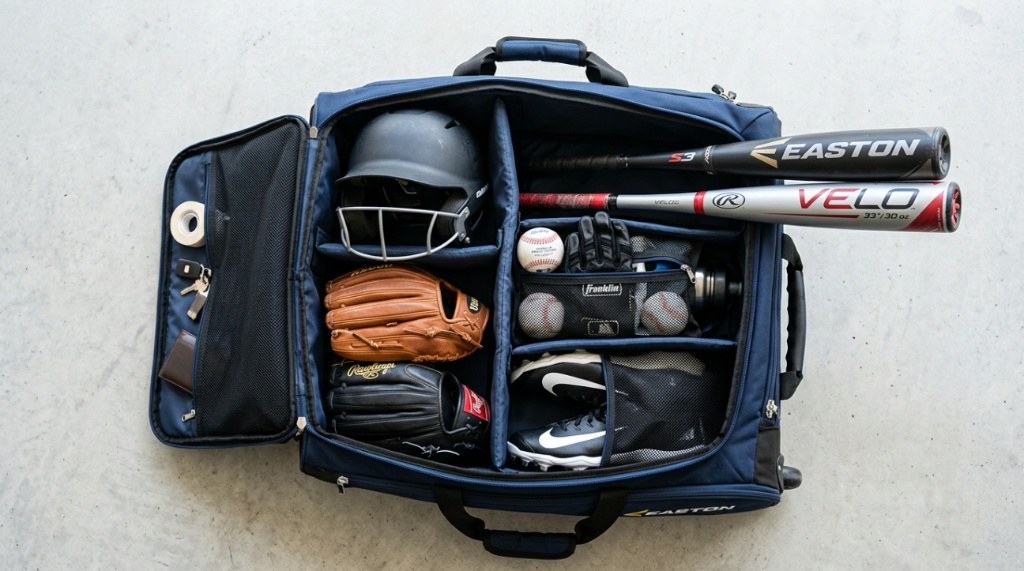
Packing a rolling bag correctly isn’t just about fitting everything inside—it’s about protecting your gear and extending the life of the bag itself.
Distribute Weight Evenly
Heavy items like cleats and balls should go at the bottom of the bag, near the wheels. This lowers the center of gravity, making the bag easier to pull and less likely to tip over. Placing heavy items at the top makes the bag unstable and puts unnecessary stress on the handle mechanism.
Protect Your Bats
Most rolling bags have a dedicated bat sleeve. Use it. If your bag doesn’t have one, wrap your bats in a towel or use a separate bat sleeve to prevent them from banging against each other during transport. This is especially important for composite bats, which can be damaged by impact,Just as serious athletes invest in specialized, durable equipment to protect their gear, premium consumers in high-end retail prioritize quality and craftsmanship—an approach seen in Why Online Luxury Shoppers in Chicago look for premium, built-to-last products.
Use the Ventilated Compartments
If your bag has a ventilated shoe pocket, use it for your cleats. This keeps dirt and odor away from your clean clothes and allows moisture to escape. Storing sweaty gear in a sealed main compartment is a fast track to mildew and unpleasant smells.
Don’t Overload
Every bag has a weight limit, even if it’s not printed on the label. Overloading strains the wheels, handle, and zippers. If you’re struggling to zip the bag closed, you’ve packed too much. Consider what you actually need for each practice or game rather than carrying your entire season’s worth of gear.
Common Mistakes to Avoid When Buying a Rolling Bag
Many players make the same errors when purchasing their first rolling bag. Here’s what to watch out for.
Buying Based Only on Price
The cheapest rolling bag on the market might save you $30 upfront, but if the wheels fail after two months, you’ll be buying a replacement. Conversely, the most expensive bag isn’t automatically the best. Look for a balance of build quality, warranty, and features that match your needs.
Ignoring the Terrain You’ll Cover
As mentioned earlier, rolling bags struggle on stairs and rough terrain. If your home field requires you to walk up a hill or navigate a gravel path, consider whether a rolling bag will actually make your life easier. Some players keep a traditional duffel for those situations and use a rolling bag for travel and indoor facilities.
Forgetting About Storage Space at Home
Rolling bags are bulkier than duffels, especially when fully loaded. Make sure you have a place to store it—a garage hook, a closet floor, or a dedicated shelf. If you’re tight on space, look for a bag that compresses or folds when empty.
Overlooking the Warranty
Baseball gear takes a beating. A solid warranty—even just one year—shows that the manufacturer stands behind their product. Check the warranty terms before purchasing, especially for the wheels and handle, which are the most common failure points.
How to Maintain Your Rolling Baseball Bag
With proper care, a quality rolling bag can last several seasons. Here are a few maintenance tips that most players overlook.
Clean the Wheels Regularly
Dirt, grass, and small stones can get lodged in the wheel housings, causing them to drag or seize. After each use, give the wheels a quick inspection and remove any debris. A soft brush or compressed air works well.
Lubricate the Handle
If the telescoping handle starts to stick, apply a small amount of silicone spray to the inner rails. Avoid oil-based lubricants, which can attract dirt and make the problem worse.
Wipe Down the Exterior
Dust and dirt can work their way into zippers and seams. A quick wipe-down with a damp cloth after each game keeps the bag looking good and prevents buildup that can cause premature wear.
Store It Properly
Don’t leave your bag in the trunk of your car during extreme heat or cold. High temperatures can warp plastic components, and freezing temperatures can make materials brittle. Store it indoors when possible.
When Is It Time to Replace Your Rolling Bag?
Even with excellent care, every bag has a lifespan. Here are signs that it’s time to start shopping for a replacement:
- The wheels are cracked, wobbly, or no longer roll straight.
- The telescoping handle no longer locks into place.
- Zippers are separating or frequently getting stuck.
- The fabric is torn or the seams are splitting.
- The bag tips over easily even when packed properly.
If you notice any of these issues, continuing to use the bag risks damaging your gear. A bag that tips over can crack a bat or dent a helmet. Replacing it sooner rather than later is the safer choice.
Frequently Asked Questions
Can a rolling baseball bag fit in a car trunk?
Most rolling bags are between 30 and 36 inches long, which fits in the trunk of most sedans and SUVs. However, if you drive a compact car, measure your trunk space before purchasing. Some bags are designed with a slightly shorter length specifically to fit smaller trunks.
Are rolling baseball bags allowed in dugouts?
Yes, in most leagues and facilities. However, some indoor facilities have rules about wheeled bags on certain surfaces to prevent scuffing. Check with your league or facility if you’re unsure. In most outdoor dugouts, rolling bags are perfectly fine.
How much weight can a rolling baseball bag hold?
Most rolling bags are designed to hold between 40 and 60 pounds of gear. Exceeding that limit puts stress on the wheels, handle, and zippers. If you’re carrying more than that, consider whether you really need all that equipment for a single game or practice.
Is a rolling bag worth it for a youth player?
Yes, especially if the parent is the one carrying the gear. A rolling bag allows the player to manage their own equipment safely and independently. It also reduces the physical strain on parents who would otherwise be hauling a heavy duffel.
Can I use a rolling baseball bag for travel?
Many players use their rolling baseball bag as a carry-on for team travel. The size is usually acceptable for overhead bins, though you should check with your airline. The dedicated compartments make it easy to keep gear organized during trips.
Conclusion
Switching to a rolling baseball bag is one of those upgrades that feels obvious the moment you use it. Your shoulders and back get a break, your gear stays organized, and getting from the car to the dugout becomes effortless. The key is choosing a bag with quality wheels, a sturdy handle, and enough compartments for your specific needs—then packing it properly and maintaining it well.
Take your time comparing options, measure your storage space, and think honestly about the terrain you’ll be covering. A good rolling bag is an investment in your comfort and your equipment’s safety. Once you make the switch, you’ll never want to go back to hauling a heavy duffel again.


