
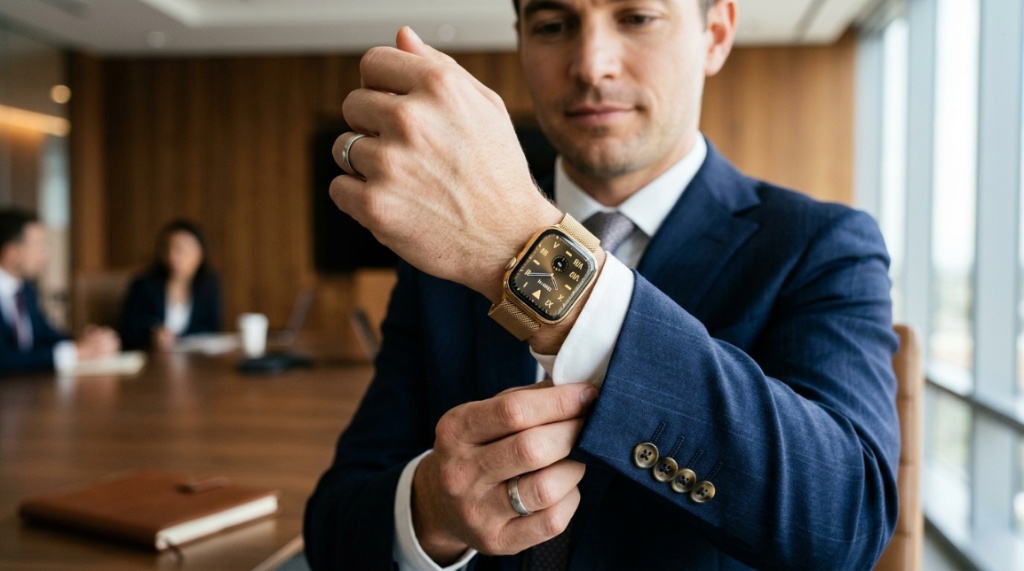
Finding the perfect luxury smartwatch is about more than just picking the most expensive model on the shelf. It’s about matching advanced technology with your personal style, daily habits, and the specific dimensions of your wrist. With premium materials, diverse designs, and a wide range of health features, the choice can feel overwhelming. This guide breaks down the essential factors—from case size and material to battery life and ecosystem compatibility—so you can confidently choose the best luxury smartwatch wrist companion that truly fits your lifestyle.
Why a Luxury Smartwatch Is Different from a Standard Model
A luxury smartwatch is not simply a fitness tracker with a premium price tag. The distinction lies in the materials, craftsmanship, and the level of personalization available. While a standard smartwatch is often made with aluminum and sport bands, luxury models typically feature sapphire crystal displays, titanium or stainless steel cases, and options for leather, metal, or high-performance rubber straps.
Beyond the physical build, the software experience is often more refined. Luxury brands tend to offer exclusive watch faces, concierge services, and a stronger focus on timeless aesthetics. This means the device is designed to be worn in the boardroom, at a formal dinner, and during a morning workout without looking out of place. The goal is to create a seamless transition between your digital life and your personal style.
Material Quality and Durability
The choice of material affects both the look and the longevity of your watch. Titanium is a popular choice for luxury smartwatches because it is incredibly lightweight yet highly scratch-resistant. Stainless steel offers a classic, polished appearance but is heavier and more prone to visible micro-scratches over time. For the display, sapphire crystal is a key feature of luxury models; it is nearly impossible to scratch, unlike the Gorilla Glass found on many standard devices.
Consider your environment. If you work in a setting where the watch will bump against desks or tools, titanium or a ceramic case will hold up better. If you prefer a traditional, shiny aesthetic, polished steel is a timeless option, though it may require more maintenance to keep looking pristine.
How to Determine the Right Case Size for Your Wrist
The most common mistake when buying a luxury smartwatch is choosing a case that is too large for the wrist. A watch that overhangs the edges of your wrist not only looks awkward but is also less comfortable and more likely to get snagged on clothing. Conversely, a case that is too small can look delicate and out of proportion.
To find the right fit, measure your wrist circumference just below the wrist bone. As a general rule, a case diameter of 40mm to 44mm suits most wrists with a circumference of 150mm to 180mm. For wrists larger than 180mm, a 45mm to 49mm case often looks more balanced. However, the lug-to-lug distance—the measurement from the top to the bottom of the case where the strap attaches—is equally important. This distance should be shorter than the width of your wrist to ensure the watch sits flat.
The Importance of Weight and Thickness
Weight is a factor that is often overlooked until you wear the watch for a full day. A heavy stainless steel watch can cause fatigue, especially if you are not used to wearing a timepiece. Titanium models are roughly 40% lighter, making them ideal for all-day wear and sleep tracking. The thickness of the case also matters; a watch that is too thick may not slide easily under a shirt cuff, which can be a dealbreaker for formal occasions.
When trying on a watch, pay attention to how it feels when you bend your wrist. The case should not dig into the back of your hand. If you are buying online, check the specifications for both weight and thickness, and compare them to watches you have worn comfortably in the past,
If you are looking for outdoor tracking options after exploring high-end wearables, check out our guide to help you Pick Budget Smartwatches with GPS for Florida Fitness.
Which Operating System and Ecosystem Should You Choose?
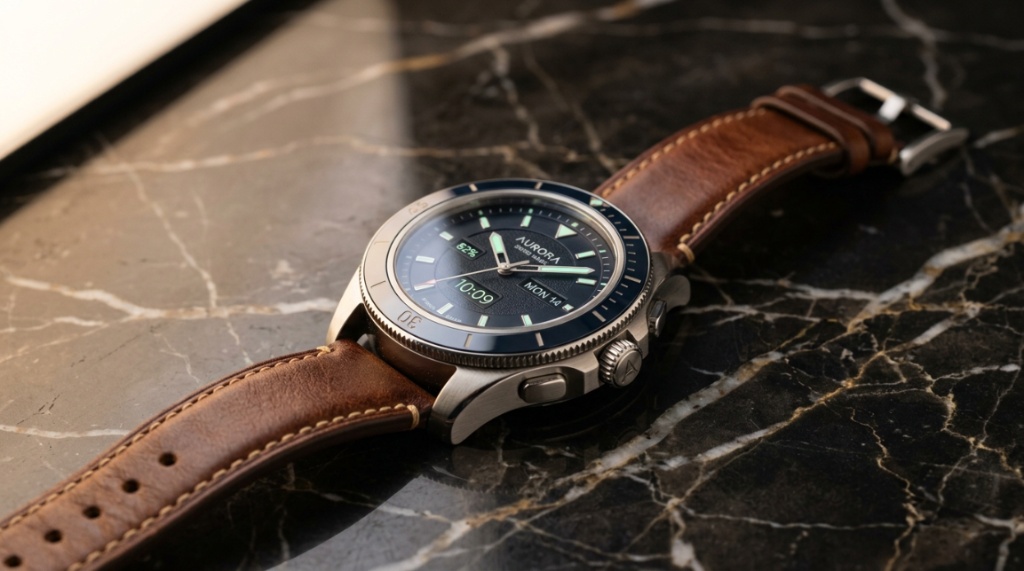
Your choice of smartphone largely dictates which luxury smartwatch will work best for you. The two main ecosystems are Apple’s watchOS and Google’s Wear OS. There is also a growing segment of luxury watches that use proprietary operating systems, often found in traditional Swiss watch brands that have added smart features.
If you are an iPhone user, an Apple Watch is the only option that offers full integration, including the ability to reply to iMessages and unlock your Mac. For Android users, Wear OS is the standard, and it is now used by brands like TAG Heuer, Montblanc, and Movado. These watches offer deep integration with Google Assistant and Google Maps.
Proprietary operating systems are a different story. They often have limited app stores and may only offer basic notifications, step counting, and sleep tracking. The trade-off is that these watches often look exactly like traditional mechanical timepieces, which appeals to those who want a smartwatch that does not look like a miniature smartphone on their wrist.
Battery Life Expectations
Battery life varies dramatically between luxury smartwatches. Full-featured models with bright AMOLED displays and cellular connectivity typically need to be charged every day or every other day. This is a significant consideration if you plan to track your sleep, as you will need to establish a charging routine that does not interfere with your rest.
Hybrid smartwatches, which have traditional hands but hidden digital features, can last for weeks on a single coin-cell battery. These are excellent for people who prioritize the look of a classic watch and only need basic notifications and activity tracking. Decide which is more important to you: a vibrant, interactive display or a long-lasting battery that you rarely think about.
Key Health and Fitness Features to Prioritize
Luxury smartwatches are no longer just about telling time; they are comprehensive health monitors. However, not all sensors are created equal. Look for models that include an optical heart rate sensor, an ECG (electrocardiogram) app, and a blood oxygen sensor. These features provide valuable insights into your cardiovascular health and recovery.
For athletes, the quality of the GPS is critical. A dual-band GPS, which uses multiple frequencies, provides much more accurate tracking in dense urban areas or heavily forested trails. Additionally, consider the water resistance rating. Most luxury smartwatches are suitable for swimming, but if you plan to do open-water swimming or diving, you will need a watch with a higher ATM rating, such as 10ATM or more.
Understanding Recovery and Readiness Scores
Many modern smartwatches now offer a “readiness” or “recovery” score. This metric is calculated using your heart rate variability (HRV), resting heart rate, and sleep quality. It tells you whether your body is prepared for a strenuous workout or if you should take a rest day. This is a powerful tool for avoiding overtraining and preventing injury.
When comparing models, look at how the software presents this data. The best apps do not just show you a number; they provide actionable advice on how to adjust your training or daily activity based on the score. A watch that simply collects data but does not help you interpret it is less valuable in the long run.
Style, Strap Compatibility, and Customization
The ability to change the look of your watch is one of the greatest advantages of a luxury smartwatch. A single watch can transition from a sporty look with a rubber strap to an elegant look with a leather band or a metal link bracelet. Before purchasing, check the strap system. Some brands use proprietary connectors, which limits your options to their own accessories. Others use standard 20mm or 22mm lugs, allowing you to use straps from any third-party manufacturer.
Consider the clasp mechanism as well. A butterfly clasp or a deployant clasp is more secure and easier to use than a traditional buckle. For metal bracelets, look for a system that allows you to adjust the links without needing special tools, as this makes it much easier to get a perfect fit.
Custom Watch Faces and Complications
The watch face is the most personal aspect of a smartwatch. Luxury models offer a wide range of faces, from photorealistic replicas of classic mechanical watches to modern, data-rich displays. Pay attention to the “complications”—the small widgets on the watch face that show information like the weather, your next appointment, or your activity rings.
Choose a watch that allows you to customize these complications to show the data that matters most to you. If you are a frequent traveler, a world clock complication is essential. If you are managing a busy schedule, a calendar complication will be your most-used feature. The ability to tailor this information is what makes the watch feel truly yours,
Common Mistakes to Avoid When Buying a Luxury Smartwatch
Even with careful research, it is easy to make a costly mistake. One of the most common errors is buying a watch based solely on the brand name without considering the software support. A beautiful watch with outdated software will feel slow and frustrating within a year. Ensure the brand has a track record of providing regular software updates for at least three to five years.
Another mistake is ignoring the resale value. Luxury smartwatches depreciate faster than traditional mechanical watches because the technology inside becomes outdated. If you like to upgrade frequently, consider buying a pre-owned model or choosing a brand with strong resale demand. Finally, do not overlook the importance of the return policy. You cannot truly judge how a watch feels on your wrist until you wear it for a few days, so buy from a retailer with a generous return window.
Frequently Asked Questions
Can I wear a luxury smartwatch while swimming?
Yes, most luxury smartwatches have a water resistance rating of at least 5ATM, which is suitable for swimming in a pool or the ocean. However, you should avoid pressing the buttons or using the touchscreen while underwater, and you should rinse the watch with fresh water after swimming in saltwater or chlorinated pools.
How long does a luxury smartwatch battery last?
It depends on the model. Full-featured smartwatches with always-on displays typically last between 1 and 2 days. Hybrid smartwatches with traditional hands can last for 1 to 2 weeks, and some basic models can last up to a month on a single charge.
Is a titanium case worth the extra cost?
For most people, yes. Titanium is significantly lighter than stainless steel, which makes the watch more comfortable for all-day wear and sleep tracking. It is also highly corrosion-resistant and hypoallergenic, making it a great choice for people with sensitive skin.
Do luxury smartwatches work with both iPhone and Android?
No. Apple Watch models only work with iPhones. Wear OS watches work with both Android and iOS, but the functionality is limited on iOS. For the best experience, choose a watch that matches your smartphone operating system.
What is the difference between a smartwatch and a hybrid smartwatch?
A smartwatch has a full touchscreen display and runs apps. A hybrid smartwatch has traditional mechanical hands and a hidden digital display. Hybrids look like classic analog watches but offer basic smart features like notifications, step tracking, and sleep monitoring.
Conclusion
Choosing the best luxury smartwatch for your wrist is a personal journey that balances aesthetics, technology, and practicality. Start by measuring your wrist and determining the ideal case size, then narrow your options based on your smartphone ecosystem and the health features you value most. Do not compromise on material quality or strap comfort, as these are the elements you will interact with every single day. By focusing on your specific needs rather than the most expensive option, you will find a timepiece that enhances your daily routine and elevates your style for years to come. Take your time, try on different models, and choose the watch that feels like a natural extension of yourself.