Why Deep Carpet Cleaning Is Important For Your Health

Cleaning your carpet is absolutely imperative for living in a healthy home. After all, carpeting can cover a significant portion of your floors which provides a haven for things like dirt, bacteria, germs, and various other allergens and contaminants to hide. These can all have a negative impact on the health and well-being of you and your family.

This is why you should hire professional carpet cleaning in perth wa, on a regular basis. Most carpet manufacturers will suggest you have your carpets expertly cleaned at least once a year. In fact, the warranties that these companies offer with their products state in no uncertain terms that the consumer must have the work done at the recommended intervals or risk have the warranty rendered void.

So why is it so important for your health to have your carpets deep cleaned? Read on to find out what’s living in your carpet and how they can impact your well-being:

Dust Mite Infestation

You can’t see them, but they have taken up residence in your dirty, filthy carpet. There are hundreds of thousands of these microscopic organisms infesting your carpet with fecal matter and body parts.

So what’s the big deal, if you can’t see them or touch them, how are they a threat? They can negatively impact on your health when you walk across the carpet and kick up hundreds of these things into the air. Every step releases them from the carpet making it much easier for you to inhale them into your lungs. This can trigger allergies and respiratory conditions that can make you cough and sneeze.

Vacuuming alone won’t get all of the dust mites, you need to have your carpets deep cleaned in order to eliminate all of those dust mites and their feces and body parts.

Decreased Air Quality

A dirty carpet can make your home unhealthy because of all the allergens and contaminants that can get launched into the air. But the reason being that you’re not allowing your carpet to successfully perform one of its many beneficial functions.

Putting carpet in your home can help to improve air quality because the fibers are ideal for catching and collecting many airborne toxins that can enter the home. These things become trapped in your carpet, waiting to be removed through vacuuming or deep cleaning. Think of your carpet as a sort of air filter.

But when you don’t clean the carpet, all of those contaminants collect and accumulate to the point where more of them can no longer be caught and trapped and they remain in the air, lowering the quality. Even worse, stepping across the carpet releases the allergens that were previously captured and you and your family are inhaling these things into your lungs. How gross does that sound?

Reduced Immunity

Our bodies’ immune systems are built to help us ward off illnesses and disease. But when your system is constantly working overtime to fight off the infectious contaminants that are threatening your health, the immune system can start to fail.

That will make you more prone to getting sick. Increasing your potential for illness is not something you should worry about with your carpet, but when you fail to have it deep cleaned on a regular basis your carpet can make you very sick over time.

Foul Odors

There’s another reason why you should be diligent about having your carpets cleaned on a regular basis. They tend to smell bad when you don’t. Foul and sour aromas emanating from a carpet are clear-cut indicators that it needs to be cleaned immediately. Those smells won’t be confined only to the room where the carpet resides, those foul odors can begin to emanate throughout the entire house.

Just don’t stop to think about what, exactly, is contributing to that foul stench in the carpet in your home. It’s best not to consider where the odor is coming from and how much of it you and your family are breathing in from day to day.

Skin Irritation

All of those allergens and contaminants in the air and in your carpet can have more of an effect on your comfort and well-being than you may think. Inhaling these things on a regular basis can make you sick but they can also irritate your skin. How does that happen, you ask? Through open wounds.

Let’s say you scratch your foot or you have an open blister and you step across a dirty carpet. You are exposing the area to those dust mites, their feces and body parts in particular, and they can enter the bloodstream. This can lead to rashes or infection.


The bountiful benefits of trees

Trees are far more than attractive looking plants that we use for shelter or gathering fruit from. Trees give life and we need them to survive. Here are a few ways why trees are crucial for our planet:

  1. Trees help fight climate change

Too much carbon dioxide is accumulating in our atmosphere, leading to climate change. Trees are vital in combating climate change as they absorb carbon dioxide, store it and release oxygen back into the atmosphere instead. In just one year, one acre of trees can absorb the CO2 produced from driving 26,000 miles. In one year, an acre of trees can supply the oxygen needs of 18 people.

  1. Trees clean up the air

Trees also absorb polluting gases and odours, including sulphur dioxide, ozone and ammonia. They are able to take the particles out of the air and store them in their bark and on leaves.

Image credit

  1. Keep it cool

In built-up areas, temperatures and rising as there are more heat-absorbing roads and less trees. Trees can cool a city by as much as 10 degrees by providing shelter, shade and releasing cooling water vapour into the air.

  1. Save energy

Trees planted in certain locations around a property can help to conserve energy, reducing air conditioning needs by up to 50%. Reducing energy consumption also means less CO2 production. Want to plant trees around your property? Get some advice from a Tree Surgeon Poole at https://kieranboylandtreeservices.com/

  1. Save water

A lawn in the shade of trees loses water slower so requires far less watering.

  1. Help stop water pollution

Trees help to prevent excess run-off of water, absorbing water through the trunk and back into the earth below. This helps to stop any stormwater carrying pollutants back to the sea. Trees act like a big sponge, naturally recharging the supply of groundwater.

Image credit

  1. Help protect from UV rays

UV rays are a significant factor in skin cancers and trees can help to reduce exposure to these harmful rays by up to 50%. Planting trees around areas where people spend time outdoors, like schools and playgrounds, is a great idea for increased protection from the sun.

  1. Food-givers

Did you know that one apple tree can supply up to 20 bushels of fruit each year and can be planted almost anywhere, in the smallest of urban areas? As well as providing healthy fruit, they also serve as an important habitat for wildlife and birds.

  1. Healing powers

When hospital patients have trees to look at through their windows, they actually heal faster and experience less complications than those who don’t have such a view. Being exposed to nature also improves the symptoms of children with ADHD. Trees also help people to concentrate by lessening mental tiredness.

  1. Ability to calm

Urban areas and neighbourhoods with no nature and a barren appearance experience higher levels of violence on the streets and in homes than areas where there is greenery. It is clear that landscaping and greenery reduces fear and aggression.


How to have white teeth? Discover all the natural remedies

Treating your oral hygiene daily is important, not only to prevent cavities. And gum problems but also to have a healthy smile. And white teeth for as long as possible. Periodic checks by the dentist, brushing your teeth after every meal and using dental floss at least once a day. Are steps that should not be missed, although often all these precautions are not enough to have a white enamel. Here are some natural remedies of white teeth.

Why drink water and lemon? The benefits of a classic home treatment

We often hear how the habit of drinking water. And lemon, by squeezing fresh juice into a little warm water, can bring various benefits to our body. Such advice often comes from friends, family or acquaintances. But how much is true? What can be the real benefits of drinking water and lemon? Here are some tips to drink water and lemon.

How life events can add to your stress levels

In an ever growing world it appears that we are at the highest stress levels we have ever been. This is in part due to the uncertainty in the world of politics over the last few years and also increasing financial worries for many individuals.

Image Credit

Doctors and psychologists actually score certain life events in terms of the amount of stress that they can cause in order to work out whether a person’s symptoms could be related to amount of stress that they are experiencing or have recently experienced in their lives. This is known as the Holmes and Rahe Stress Scale.

Some of the events that are included on the scale can be slightly relieved by using other professional services for example moving home registers as 20 out of 100 and arranging for a mortgage registers at 31 out of 10. But both of these can be alleviated by employing the services of a Bristol Removals Company and a mortgage advisor. By using these professionals you can calm some of the anxiety and stress by knowing that your financing for your property and all of your belongings are being carefully handled. If you are looking for a Bristol Removals Company contact I Move Removals.

It is thought that if you add together the cumulative scores for the events that have occured in your life in the last twelve months or that you think may occur in the next few month, that you will come out with stress level score. If this is over 150 it is thought that you could be more likely to feel the physical and mental effects of the stress.

The top ten life events that cause the highest ‘life change unit’ scores relating to stress include:

Death of a child or a spouse resulting in the highest score of 100, divorce following behind at 73, with marital separation at 65. Imprisonment is next a 63, death of a close family member also registrs 63. Personal illness or injury is 53, marriage at 50, dismissal from work 47. The final two are marital reconciliation t 45 and retirement also at 45.

Image Credit

This shows that even some of life’s most exciting and happy times can cause a level of stress that if linked with other life events can trigger stress related difficulties and illnesses. We are becoming much more away of the effects of stress on our health and relationships and many are using alternative mechanisms in order to help boost their mental wellbeing.

Creating the perfect bedroom

When we decorate our homes, we tend to spend more time, effort and money on areas that will be seen by visitors. The private rooms, like bedrooms can sometimes be overlooked. We intend to get around to them but by then, we’re often short of funds. This is a shame, as it’s one of the rooms of the home where we spend the most time. Here are some things to focus on when creating your dream bedroom retreat:

  1. Mattress

You might have the most beautiful bedroom on earth, but if you can’t get a good night’s sleep because of an awful old mattress, what’s the point? Your mattress is the single most important part of the room as it has such an impact on the quality of rest your body receives each night. There are many options, so spend some time researching what would suit you best as you’ll be spending a lot of time on it, so it’s got to be right.

  1. Bedding

Setting the tone of your décor, as well as complementing the mattress comfort, the type of bedding you choose is just as important. There are countless varieties of fabrics, patterns and colours to choose from, but you’ll want to choose sheets that feel soft and cool against the skin. Blankets and duvets can supply the warmth you require. Pillows need to support the head and neck in whichever sleeping position is your favourite.

Image credit

  1. Lighting

Bedrooms must be relaxing spaces, so soft lighting is required. For reading or tasks, a reading light, overhead angled lamp or table lamp can be used to supply some brighter lighting. Alternatively, choose soft accent lighting lower down combined with an extravagant overhead chandelier, for example.

  1. Furniture

If you have the space for additional furniture, aside from the bed and nightstand, a lovely addition is a couple of chairs or one easy chair in the window or corner for relaxing with a book. Combine with a small side table and lamp, chairs in the bedroom add an area of interest and offer a cosy unwinding space before settling into bed. For a stunning Eames Lounge Chair, you’ll Find a range of Eames Lounge Chairs at Pash Classics.

  1. Window dressing

How you dress your windows has a big impact on the feel of a room and how much natural light can enter. Perhaps you insist on having total darkness with black-out blinds or do you enjoy letting the moonlight and sunrise seep into the room? Your window treatments should reflect your sleeping habits and preferences. Once you have considered this, you can choose appropriate dressing that adds beauty and style to your bedroom.

  1. Luxurious rugs

Whether you have colder hardwood flooring or carpet, you can’t beat the feel of a soft, luxury rug under your toes. To be greeted each morning with a beautifully soft surface when you get out of bed is pure bliss. With carpet, an area rug can provide additional depth, texture and pattern to enhance the décor.

What are the best drinks to recompose yourself after a workout?

What are the best drinks to recompose yourself after a workout? One hour of training can cause you to lose up to a quarter of a liter of water through sweat. Of course, it will depend on the type and intensity of the training, as well as the external temperature that you have while exercising. It is necessary that you reestablish the levels of this liquid to avoid dehydration. In many cases, water is all you need to rehydrate your body. In contrast, people who train for more than 45 minutes or at very high temperatures may need drinks that contain electrolytes, such as potassium and sodium.

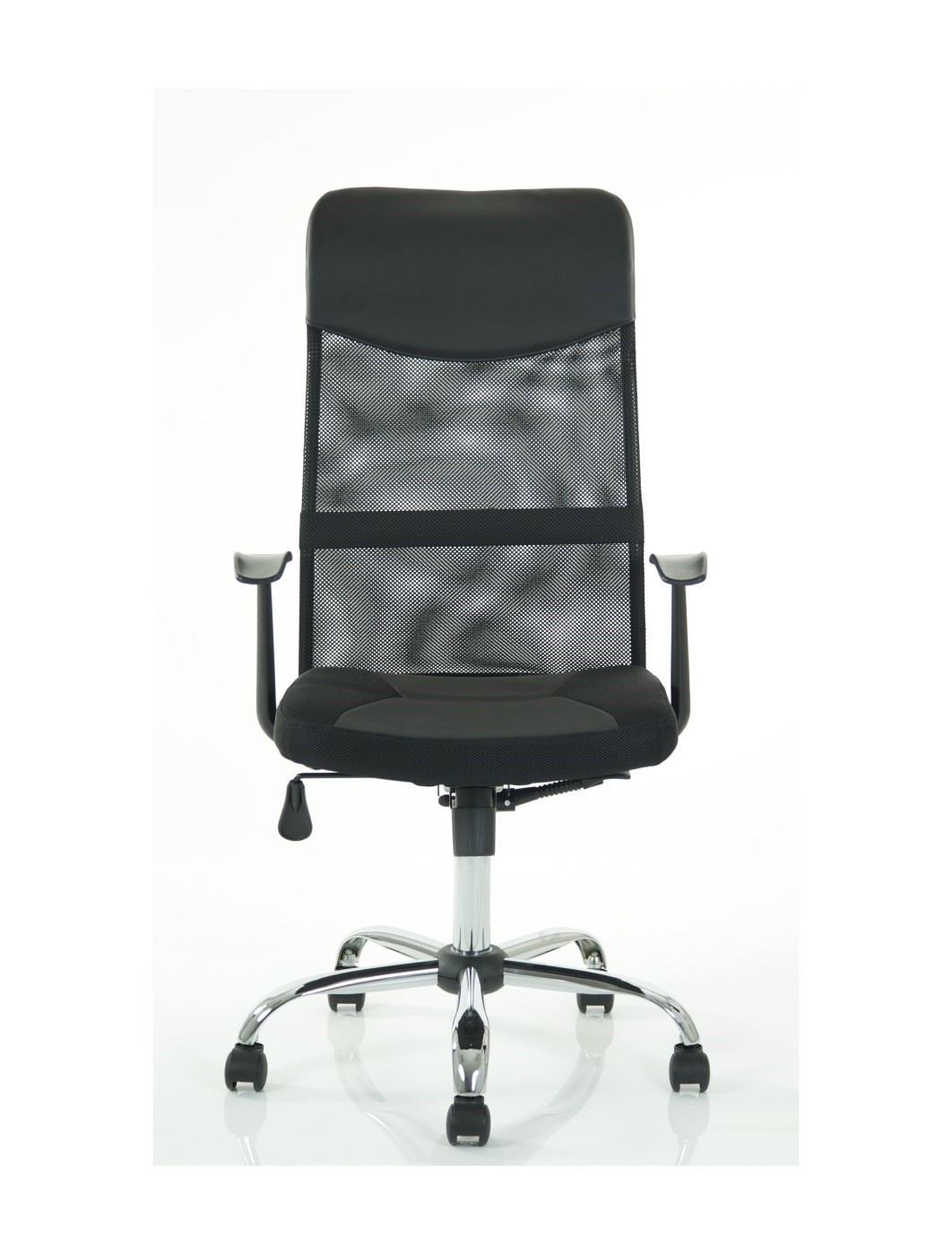
How to keep your office chairs clean

What’s used for more than 40 hours a week, supports you at work but has probably got a little grubby over time? Yes, you’ve got it – your office chair! The office chair swerves us faithfully everyday but we tend to take it for granted and it doesn’t get the kind of attention that our chairs at home would.

Have a good look at your faithful office chair and you’ll see that it could be breeding ground for bacteria, dust and dirt. When was the last time it had a good clean? Here are some common materials used for office chairs and the best way to keep them hygienic and looking good.

  1. Upholstered

Fabric or upholstered chairs are an economical choice for many offices and as such, are a common sight. Fabric has a tendency to attract dirt however, as well as lint, spills and dust.

Ideally, the first stage of cleaning a fabric chair is to vacuum it first to lift the dust and surface dirt. An upholstery-cleaning foam can be applied over all areas of the fabric and left according to the manufacturer’s instructions. A hard-bristled brush can then be used for scrubbing off stubborn stains. The chair should be left for around 10 minutes to dry and then vacuumed again to lift any dirt that the foam has brought to the surface.

Image credit

  1. Leather

Leather chairs look great in an office, very professional and smart. However, they too can get grubby over time. As these chairs are more expensive, it’s important to follow the manufacturer’s instructions. Vacuuming regularly is a good idea for leather for getting rid of surface dust and debris. A brush with a soft bristle will avoid damaging the delicate material.

For ease of upkeep, a leather chair can be wiped over with a clean, damp cloth about once a week. For a more thorough clean, soft mild soap and water on a lint-free cloth can be used to give the chair a once over. Also available are special leather protector wipes to keep the material conditioned. A professional cleaning crew will know how to protect different materials. For Office Cleaning in Cheltenham, contact Intocleaning.

  1. Mesh

Mesh chairs have become very popular recently thanks to their ergonomic design and fresh look. However, at first glance it can be difficult to see how you could clean one. The great thing about their design though is that the mesh allows for a greater level of airflow, so the material won’t have absorbed as much as other material types.

The first step is a good vacuuming of the chair, ideally a portable handheld device for ease. Some soap, water and a cleaning cloth can take care of the rest. A bit more force can be applied to scrubbing one of these chairs as the material is hardy. Cotton buds can be used to clean all the little gaps and then the chair can be left to air dry before use. Alternatively, include it as part of the schedule for your professional crew who provide Office Cleaning in Cheltenham.

Image credit

  1. Metal and Plastic

All you need for this is an antibacterial wipe, a damp cloth in some soapy water or an all-purpose cleaner. Ensure a metal chair or metal parts are thoroughly dried to avoid possible corrosion.


Hypertension, tips for measuring blood pressure

Hypertension, tips for measuring blood pressure. When the heart pumps blood, it presses against the walls of the blood vessels, the so-called blood pressure. This pressure is to be kept under control because, if it is too high, the chances of cardiovascular diseases increase. Here then is that the measurement of pressure becomes important to verify the values that, if higher than the norm, indicate a state of ” hypertension ” or “high blood pressure”.

Hypertension with or without symptoms

In a state of rest, the ideal pressure is contained between 115-130 mmHg (maximum or systolic, ie when the heart contracts) and 75-85mmHg (minimal or diastolic, is when the heart relaxes). When there is an increase in these values, high blood pressure can be:

Asymptomatic: the patient does not perceive any disturbance
Symptomatic: the patient perceives some symptoms, such as headaches or palpitations, but can easily confuse them with those of other pathologies.  It is one of the best tips for measuring blood pressure.
This is therefore always advisable to periodically perform a pressure measurement even if we feel like we are feeling well or when we have an illness whose origin is unknown. It is one of the best tips for measuring blood pressure.

Symptoms of hypertension

The symptoms, if present, can be various and very common, therefore not specific, such as:

– feeling dizzy

– palpitations

– headache especially in the morning

– nervousness and fatigue

– visual disturbances

– ringing in the ears

– bleeding from the nose

– cardiac arrhythmias

Pressure measuring devices

The pressure is measured with the sphygmomanometer. Values are given in millimeters of mercury (mmHg). Pressure meters can be:

Manuals: imply adequate knowledge to auscultate the brachial artery with the phonendoscope, a particular instrument with a metal plate that is also used to auscultate the heart.
Electronic and automatic: simpler and more intuitive to use and therefore more recommended for home use. It is necessary to place the sleeve on the arm and start the measurement. The sleeve is connected to a display on which the values of pressure and heart rate will appear.
Finally, there are wrist or finger sphygmomanometers: they are more comfortable to use but sometimes they are less precise.  It is one of the best tips for measuring blood pressure.

The correct pressure measurement

For an accurate result, pressure must be measured:

-Regularly, preferably at the same time
-In resting condition and not after over-fatigue
-In a sitting position
-With the sleeve on the arm at heart level.
-High cholesterol is a risk condition for hypertension. In the case of very high blood pressure, it is, therefore, necessary to check the cholesterol levels in the blood and consult the doctor.

If, on the other hand, mild hypertension occurs, you can try to:

-Not smoking
-Do physical activity
-Correct the diet, avoiding red meats, cheeses, sausages and some industrial products rich in sodium
-Avoid salt consumption
-Keep your weight under control.
-A healthy lifestyle and a balanced diet are always good allies for health.