
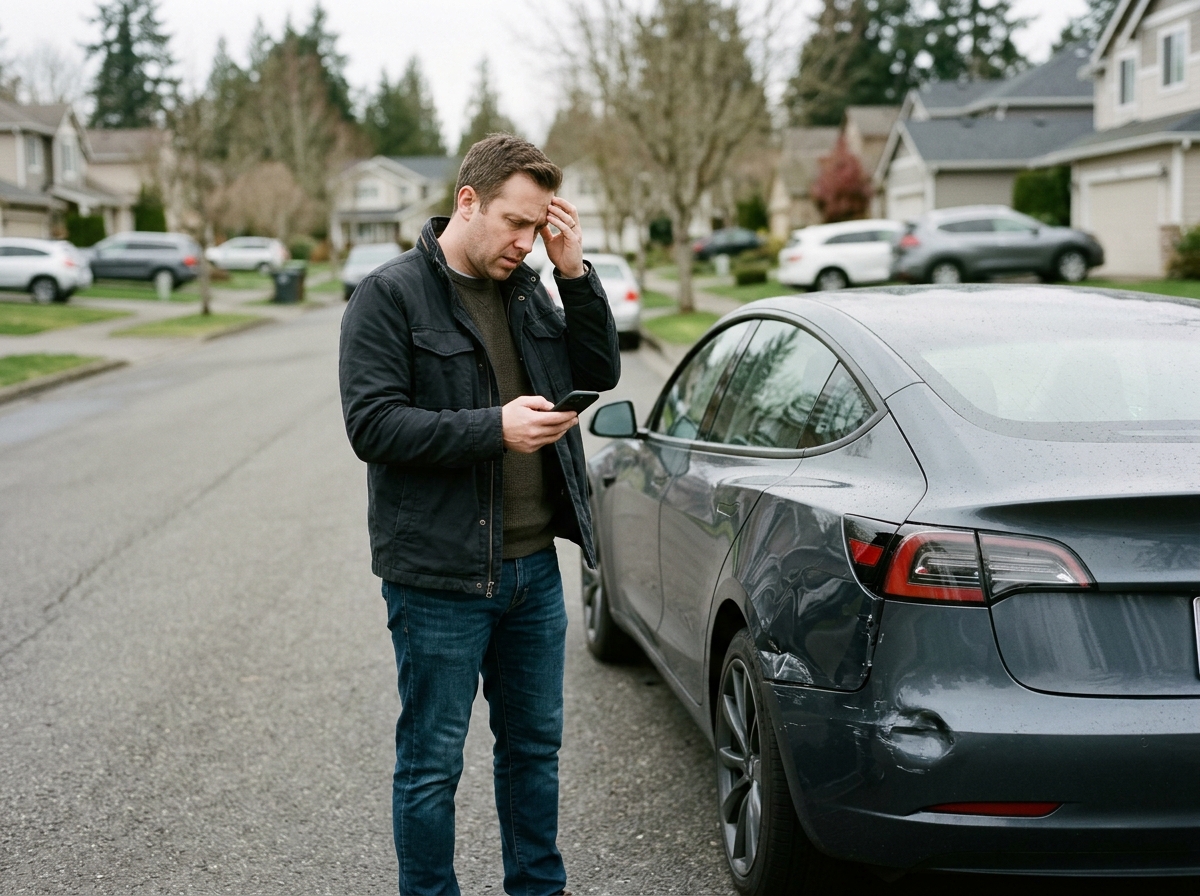
Borrowing a friend’s car for a quick errand seems harmless until an accident raises questions about insurance coverage. The driver may have insurance, the vehicle owner may carry a separate policy, and both companies might question which one should pay. These situations can become particularly frustrating when injured people need medical treatment while insurers investigate who was covered at the time of the crash.
The Car Owner’s Insurance May Not Cover Every Driver
Auto insurance generally follows the insured vehicle, meaning the owner’s policy often provides the first layer of coverage when someone else drives with permission. However, Alabama doesn’t require every standard auto liability policy to cover all permitted drivers. Insurers may limit coverage based on policy terms, excluded drivers, or the circumstances surrounding the vehicle’s use. A valid driver’s license and the owner’s permission don’t automatically guarantee protection. The actual policy determines whether the borrowed vehicle and its driver qualify for coverage after an accident.
Permission to Borrow the Car Can Become a Major Dispute
Insurance companies may investigate whether the vehicle owner actually allowed the driver to use the car. Written permission isn’t always necessary, since consent can sometimes be established through previous arrangements or the owner’s conduct. However, disagreements can arise if the driver borrowed the vehicle without asking, kept it longer than permitted, or used it for an unauthorized purpose. These details may affect coverage depending on the policy language and applicable law.
Regular access to another person’s vehicle creates additional concerns. A driver who borrows a roommate’s car every weekend may face different insurance requirements than someone who uses it once during an emergency. Insurers sometimes require household members and frequent drivers to be listed on the policy. Someone searching for a car accident lawyer near me may need assistance examining whether the insurer has valid grounds to deny coverage based on the borrowing arrangement.
Two Insurance Policies Don’t Always Mean Twice the Protection
A driver who owns an insured vehicle may assume their personal policy automatically covers any borrowed car. Unfortunately, insurance doesn’t always work that way. The vehicle owner’s coverage may apply first, while the borrowing driver’s policy could provide additional protection under certain conditions. Coverage limits, exclusions, and other insurance provisions determine how these policies interact. A personal injury attorney can examine the available policies to identify possible sources of compensation. This becomes especially important when injuries and property damage exceed the first policy’s limits or when insurers disagree about which policy applies.
Insurance Companies May Disagree Over Who Should Pay
Coverage disputes can delay a claim even when everyone agrees about how the accident happened. One insurer may argue that the borrowing driver wasn’t covered under the owner’s policy, while another may question whether its policy applies to a vehicle the driver doesn’t own. Injured parties may receive requests for statements, insurance documents, and proof of permission. These investigations can leave medical bills unpaid while the companies review their responsibilities.
Liability also remains a separate question from insurance coverage. The driver who caused the collision may face personal responsibility for damages even if an insurer denies coverage. Alabama’s contributory negligence rules can further affect an injured person’s right to recover compensation. Experienced accident and injury lawyers can examine both liability and coverage issues. People comparing auto accident lawyers near me should ask whether the attorneys handle cases involving multiple policies, disputed permission, and uninsured drivers.
What Should Injured Drivers Check Before Accepting an Insurance Decision?
A denied claim doesn’t necessarily mean the insurer’s interpretation is correct. Injured individuals should review the written denial, applicable policy provisions, accident report, and any documents showing who had permission to operate the vehicle. Medical records and repair estimates also help establish the losses involved. Depending on the circumstances, uninsured or underinsured motorist coverage may provide another possible source of recovery, subject to policy terms and Alabama law. For people searching for a personal injury lawyer in Huntsville AL, Wolfe Jones represents accident victims throughout North Alabama. Its attorneys can review disputed insurance claims, investigate coverage questions involving borrowed vehicles, and help injured individuals determine what legal options remain when insurers refuse payment.