
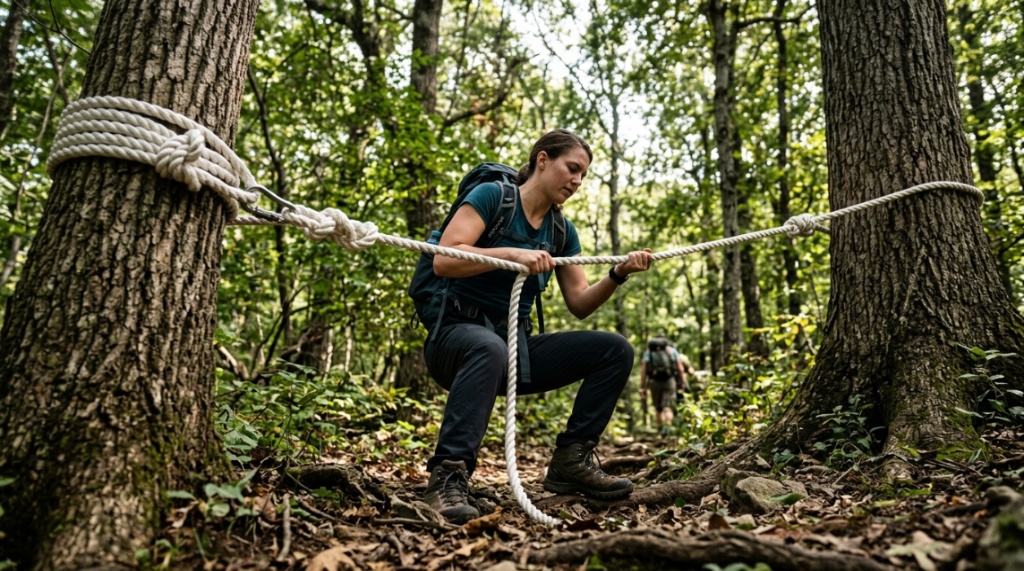
You stand in the hardware aisle staring at spools of nylon, polypropylene, and manila, wondering why there isn’t one single rope that does it all. The frustration is real. You need a strong, multi-purpose rope for camping, towing, securing a load, and maybe even a backyard project, but every option seems to compromise somewhere—too weak, too stretchy, too rough on the hands. The good news is that the perfect balance of strength, durability, and affordability exists. You just need to know what to look for before you buy.
What Makes a Rope Strong Enough for Multiple Uses?
Breaking Strength vs. Working Load Limit
Strength is measured in two ways. Breaking strength is the point at which the rope snaps. Working load limit (WLL) is the safe maximum weight you should put on the rope during normal use. Always use the WLL, not the breaking strength, when planning your tasks. A general rule is to choose a rope with a breaking strength at least five times your intended load.
Material Composition and Tensile Performance
Polyester offers the best strength retention when wet and resists UV damage better than nylon. Nylon excels at shock absorption but loses 10 to 20 percent of its strength when saturated. Polypropylene floats and resists chemicals but degrades quickly in sunlight. For a true all-rounder, look for a blended construction like a nylon core with a polyester sheath.
Diameter and How It Affects Usability
A thicker rope can handle more weight but becomes stiff and difficult to tie. A thinner rope is easier to handle but sacrifices strength. For general-purpose use, a diameter between 3/8 inch and 1/2 inch offers the best mix of grip, knot-holding ability, and load capacity. Anything smaller is better for utility tasks, while larger diameters suit heavy towing.
Which Rope Material Handles the Most Scenarios?
Nylon: The Shock-Absorbing Champion
Nylon is elastic, which makes it ideal for towing and anchor lines where sudden jerks occur. It resists mildew and rot, though it does weaken when wet. If you need a rope that stretches under load to absorb impact, nylon is your best choice. However, avoid using it for winching or static loads where you need zero stretch.
Polyester: The Low-Stretch Workhorse
Polyester offers the highest strength-to-weight ratio among common materials and maintains its properties when wet. It resists UV radiation and abrasion better than nylon. Use polyester for sailing, camping tarps, and securing loads where you want minimal stretch. It feels slightly stiffer than nylon but lasts longer in outdoor conditions.
Polypropylene: The Lightweight and Floating Option
Polypropylene is the lightest option and floats on water, making it useful for pool toys, boat fenders, and temporary lines. It is cheap, but it has poor UV resistance and can become brittle after a few months of sun exposure. It also has a lower melting point, so avoid using it near friction points or heat sources.
How Do You Match Rope Construction to Your Tasks?
Twisted Rope: Simple and Easy to Inspect
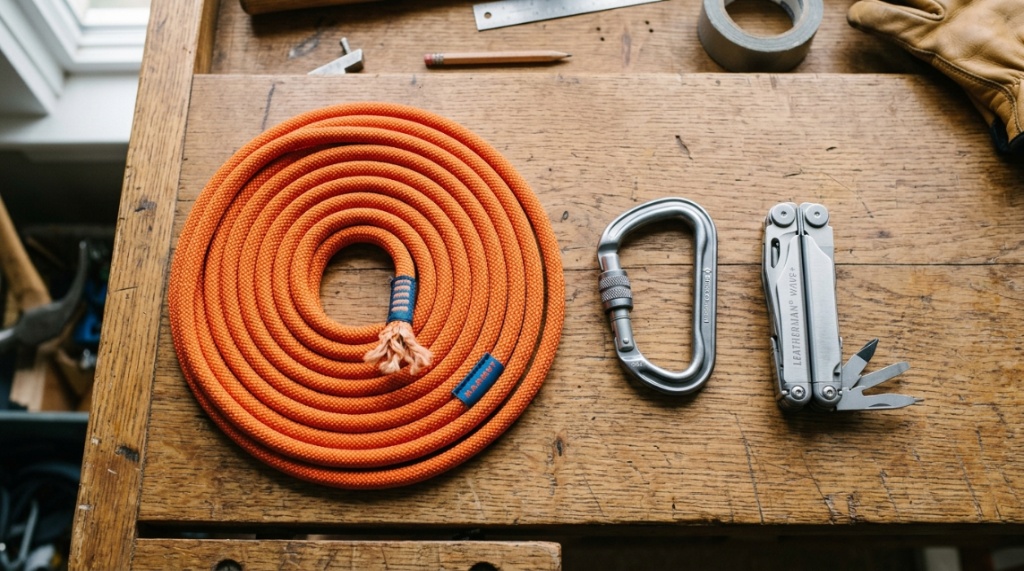
Three-strand twisted rope is the oldest construction. It is easy to splice and inspect for internal wear because the strands separate naturally. It tends to kink and can unravel if the ends are not fused. This construction works well for general utility, towing, and decorative projects.
Braid Rope: Smooth and Strong
Double braid or kernmantle construction has a core (kern) for strength and a sheath (mantle) for protection. This design is smoother to handle, resists abrasion better, and holds up to repeated bending. Use braided ropes for climbing, rescue work, and any application where consistent performance matters.
Solid Braid: Durable but Less Flexible
Solid braid ropes are tightly woven and resist fraying well. They are less flexible than double braids and can be harder to tie tight knots with. They are a good choice for pull cords, dog leashes, and light utility tasks where stiffness is not a problem.
Can One Rope Replace a Shed Full of Specialized Options?
Camping and Outdoor Use Versatility
A single strong multipurpose rope can replace your tent guylines, clothesline, bear bag cord, and emergency tow line. Look for a 3/8-inch double braid polyester rope with a WLL of around 300 pounds. Carry 50 feet of it in a stuff sack, and you are ready for most campsite needs.
Home and Workshop Applications
Use the same rope to tie down furniture during a move, secure a ladder to a roof rack, or hang a heavy planter. The key is choosing a material that resists cutting and abrasion. Nylon blends offer the durability needed for rough concrete or metal edges without fraying too quickly.
Automotive and Towing Considerations
For towing a vehicle, you need a rope with a breaking strength higher than the weight of the vehicle. A 1/2-inch nylon rope with a breaking strength of 5,000 pounds is a minimum for small cars. Always use a tow strap or recovery rope designed for the specific task, but a heavy-duty multi-purpose rope can serve in a pinch if properly rated.
What Are the Hidden Weaknesses of Multi-Purpose Ropes?
UV Degradation Over Time
Even the best ropes break down under constant sunlight. Polyester is the most UV-resistant common rope material, but any rope left outdoors for six months will lose significant strength. Store your rope in a dark, dry bag when not in use to extend its life.
Abrasion at Sharp Edges
Rubbing against a sharp corner, a metal bracket, or a rough rock cuts through the outer fibers. Always use a chafe guard, a piece of hose, or a softener pad at any contact point. This simple precaution can triple the lifespan of your rope.
Knot Slippage with Slick Materials
Polypropylene and some blended ropes can slip under load because they are too smooth. Use a stopper knot or a backup knot if you notice slippage. Nylon and polyester hold knots better, but always test your knot before applying full weight.
How Long Should a Strong Multi-Purpose Rope Last?
Signs of Wear to Watch For
Inspect your rope before every use. Look for broken filaments, flat spots that indicate heavy abrasion, discoloration from sun damage, and a stiff or brittle feel. If you see any of these signs, retire the rope immediately. A rope that looks fine on the outside can have internal damage from repeated loading.
Lifespan by Usage Frequency
A rope used weekly for camping and light towing can last two to three years if stored properly. Ropes used daily for construction or marine applications should be replaced every six months. Keep a log of usage if you rely on the rope for safety-critical tasks. When managing shared assets—whether you are outfitting a communal workshop, maintaining shared outdoor gear, or Buying a Co-Ownership property—investing in versatile, high-quality equipment ensures long-term durability and value for all parties involved.
When to Splice vs. When to Replace
You can splice a damaged end to salvage the rest of the rope, provided the damage is within the first few feet. If the damage is in the middle or near a knot, replace the entire rope. A splice in the middle weakens the rope by up to 20 percent.
Which Rope Features Save You Money Long-Term?
UV and Mildew Resistance
Ropes that resist UV and mildew do not need replacement as often. Polyester and solution-dyed nylon resist these elements better than basic polypropylene or natural fibers. Paying a little more upfront saves you from buying a new rope every season.
Pre-Stretched or Low-Stretch Options
A rope that stretches less keeps your loads secure without sagging. Pre-stretched polyester ropes hold tension better for camping, securing loads, and sailing. This prevents you from having to retie knots regularly, reducing wear on the rope.
Ease of Cleaning and Maintenance
Ropes that trap dirt and sand wear out faster because the grit acts like sandpaper inside the fibers. Double-braided ropes shed dirt better than twisted ropes. Rinse your rope with fresh water after use in salt or mud to remove abrasive particles.
Frequently Asked Questions
What is the strongest type of rope for general use?
Double-braid polyester rope is the strongest for general use. It offers high breaking strength, low stretch, UV resistance, and good abrasion resistance. It handles camping, towing, and securing loads better than nylon or polypropylene for most people.
Can I use climbing rope for towing?
Do not use climbing rope for towing. Climbing rope is designed to absorb the shock of a fall and will stretch too much under the static load of towing. Towing requires low-stretch ropes like polyester or static nylon ropes with a proper working load limit.
How do I store a multi-purpose rope properly?
Store your rope in a cool, dry place away from direct sunlight. Coil it loosely or put it in a breathable bag. Avoid hanging it on a nail or hook that creates a sharp bend. Proper storage prevents UV damage, mildew, and kinking that weakens the fibers.
Is a thicker rope always stronger?
Not always. Thicker ropes have higher breaking strength, but the material and construction matter more. A thin, high-quality polyester rope can outperform a thick, low-quality polypropylene rope. Always check the manufacturer’s rated breaking strength and WLL regardless of diameter.
How do I tie the best knot for a strong multi-purpose rope?
The bowline knot is the best for creating a fixed loop that will not slip or jam. The double fisherman’s knot works well for joining two ropes. The taut-line hitch is excellent for adjustable tension on tent lines. Practice these three knots, and you can handle most situations.
What color rope should I buy for outdoor use?
Bright colors like orange, yellow, or high-visibility green make your rope easier to see in low light or against natural backgrounds. This prevents accidents and helps you locate your gear. Dark ropes like black or brown absorb more heat and degrade faster in sunlight.
Can I wash my rope in a washing machine?
Do not wash rope in a machine. The agitation and spinning can damage the internal fibers and create twists that weaken the rope. Instead, soak the rope in a bucket of cool water with mild soap, gently scrub by hand, and hang it to dry in the shade.