A loose fishing rod guide can turn an exciting day on the water into a frustrating experience. When your line doesn’t flow smoothly through the guides, casting becomes difficult and accuracy suffers. Fortunately, fixing this common problem doesn’t require professional help or expensive equipment. The team at Crazy Fishing Gear has helped countless anglers solve this issue with simple DIY solutions. Whether you’re dealing with a guide that’s slightly wobbly or one that’s completely detached, understanding the repair process will save you time and money while extending your rod’s lifespan.
Understanding Why Rod Guides Come Loose
Rod guides become loose for several reasons, and identifying the cause helps prevent future problems. The most common culprit is weakened epoxy that deteriorates over time due to sun exposure, temperature changes, and regular wear. Additionally, impacts from accidental drops or bumps against rocks and boat edges can crack the adhesive bond. Saltwater fishing presents extra challenges because corrosion attacks both the guide feet and the thread wrapping underneath.
When you notice a guide starting to wiggle, addressing it immediately prevents further damage. A slightly loose guide can quickly become a completely detached one, potentially damaging your line or causing bigger repair issues. Therefore, regular inspection of your rod guides should become part of your routine maintenance schedule.
Gathering Your Repair Materials
Before starting your rod guide repair, assembling the right materials ensures a smooth process. You’ll need two-part epoxy specifically designed for fishing rods, which provides superior bonding strength compared to regular adhesives. However, choosing the right epoxy matters because some formulas yellow over time while others remain clear.
Your toolkit should also include a razor blade or craft knife for removing old epoxy and thread. Fine-grit sandpaper smooths the rod blank surface and prepares it for proper adhesion. You’ll want isopropyl alcohol for cleaning, cotton swabs for application, and masking tape to protect the rod blank from excess epoxy. Finally, keep paper towels handy for cleanup and consider having a rod wrapper if you plan to add decorative thread wrapping.
Removing the Loose Guide
The removal process requires patience and careful technique to avoid damaging the rod blank. Start by applying gentle heat using a hair dryer set on medium temperature. Heat softens the old epoxy, making removal easier without risking rod damage. Keep the heat moving constantly and never use a torch or excessive heat that could weaken the graphite or fiberglass.
Once the epoxy softens, carefully work a razor blade under the guide feet while continuing to apply heat. Take your time with this step because rushing can gouge the rod blank. After removing the guide, scrape away all remaining epoxy and old thread wrapping. The surface must be completely clean for proper adhesion of the new epoxy.
Next, sand the area lightly with fine-grit sandpaper to create a slightly rough surface. This roughness gives the epoxy something to grip. Clean the area thoroughly with isopropyl alcohol and let it dry completely before proceeding.
Preparing and Aligning the Guide
Proper alignment is crucial for optimal casting performance and line management. Before applying any adhesive, test-fit the guide and mark its position with a pencil. All guides should align perfectly with each other and with the reel seat. Even a slightly misaligned guide causes line friction and reduces casting distance.
According to fishing equipment experts at Bass Pro Shops, proper guide spacing and alignment directly impacts rod performance and sensitivity. Use a straight edge or guide alignment tool to ensure perfect positioning. Additionally, checking the guide spacing against manufacturer specifications helps maintain the rod’s original action and power.
Clean the guide feet with alcohol just as you cleaned the rod blank. Any oil, dirt, or residue prevents proper bonding. Set up your workspace with good lighting and have all materials within easy reach before mixing your epoxy.
Applying Epoxy and Setting the Guide
Mix your two-part epoxy according to package directions, typically in equal parts. Stir thoroughly for at least one minute to ensure complete mixing. Apply a thin, even coat to both the rod blank and the guide feet using a toothpick or small applicator. Avoid using too much epoxy because excess creates unsightly buildup and adds unnecessary weight.
Position the guide carefully on the marked spot and press down firmly. Rotate the rod slowly while checking alignment from multiple angles. Make final adjustments quickly because epoxy begins setting within minutes. Once positioned correctly, wipe away any excess that squeezed out using a cotton swab dampened with alcohol.
Most epoxies require 24 hours for full curing, though some high-tech formulas cure faster. Resist the temptation to use the rod before the epoxy fully hardens. Support the rod horizontally during curing, slowly rotating it every few hours to prevent epoxy from sagging or creating uneven spots.
Adding Protective Thread Wrapping
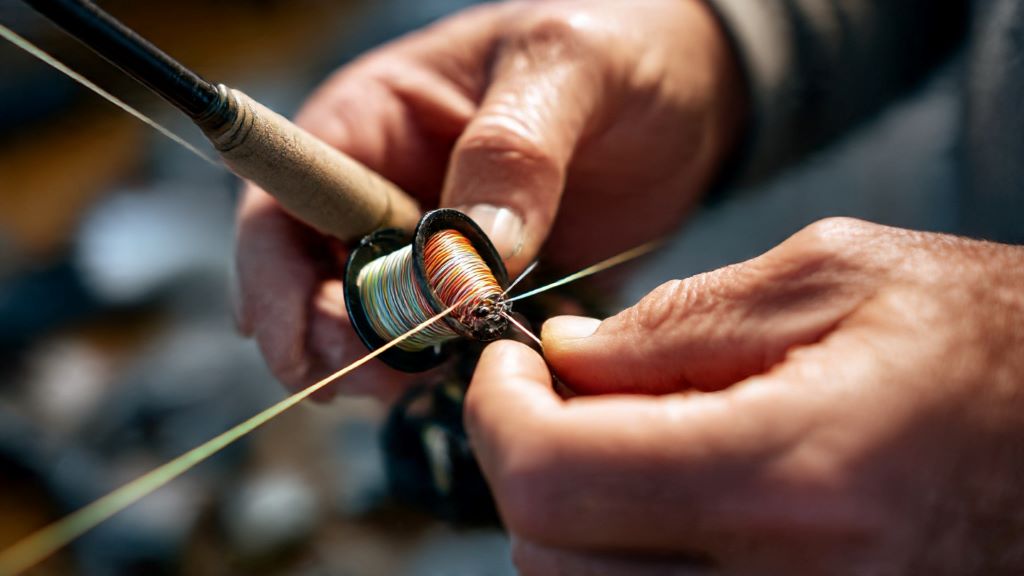
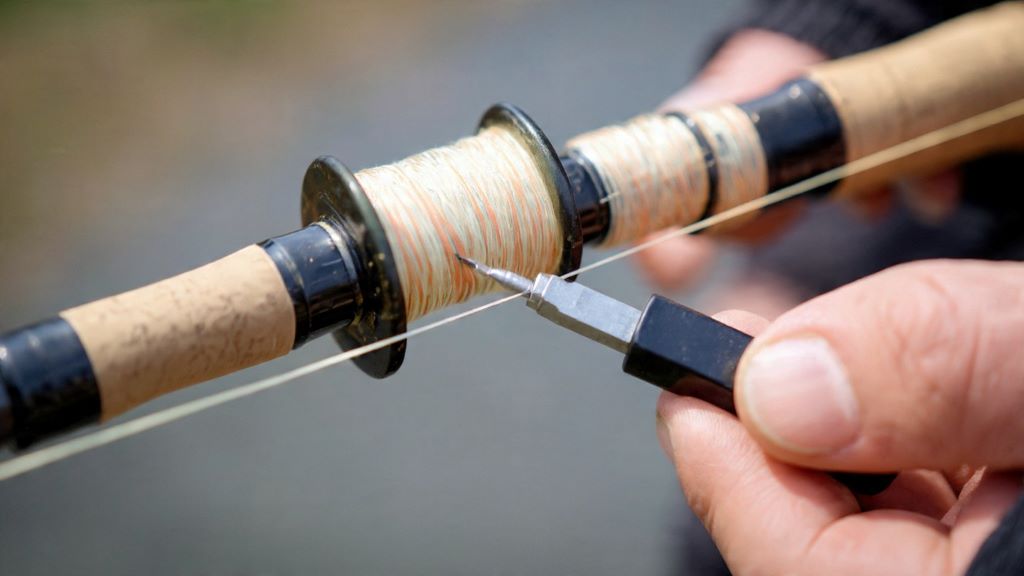
While not always necessary for simple repairs, thread wrapping adds both protection and visual appeal. The wrapping secures the guide feet and provides additional insurance against future loosening. Start by selecting color-preserving thread that matches your rod’s existing wraps or creates an attractive contrast.
Begin wrapping about a quarter inch before the guide foot, maintaining consistent tension throughout. Overlap each wrap slightly and keep the thread tight against the rod. When you reach the end of the guide foot, use the traditional underwrap technique to finish and secure the thread. Apply several thin coats of thread finish or epoxy over the wrapping for protection and a glossy appearance.
Testing Your Repair
After the epoxy cures completely, inspect your work carefully before heading to the water. Check that the guide is solidly attached with no movement or flex. String your line through all guides and make several practice casts in an open area. The line should flow smoothly without catching or unusual friction.
Furthermore, pay attention to how the rod loads and unloads during casting. A properly repaired guide shouldn’t affect the rod’s action or feel. If something feels off, recheck the alignment and ensure the guide sits flush against the rod blank.
Preventing Future Guide Problems
Preventive maintenance keeps your guides secure and functioning properly for years. After each fishing trip, rinse your rod with fresh water to remove salt, dirt, and fish slime. Inspect guides regularly for signs of loosening, cracks in the epoxy, or corrosion on the guide frames.
Store your rods properly in a cool, dry place away from direct sunlight. UV rays break down epoxy over time, leading to premature failure. Consider using rod socks or cases that protect against impacts during transport and storage. Additionally, avoid leaning rods against walls or leaving them where they might fall.
When to Seek Professional Help
Most loose guide repairs are simple DIY projects, but some situations require professional attention. If multiple guides are loose or if the rod blank shows cracks or damage, a rod builder should evaluate the repair. Similarly, expensive high-end rods might benefit from professional work to maintain their value and warranty.
Custom rods with intricate thread patterns or decorative wraps also warrant professional repair to match the original craftsmanship. However, for standard guide replacements on everyday fishing rods, DIY repair is both practical and cost-effective.
Conclusion
Fixing a loose fishing rod guide is a straightforward repair that any angler can master with basic tools and patience. By understanding the causes of loose guides, gathering the right materials, and following proper repair techniques, you can restore your rod to perfect working condition. Regular maintenance and inspection prevent future problems and extend your equipment’s lifespan. Whether you’re repairing a favorite bass rod or fixing a guide on your saltwater setup, these skills save money and keep you fishing when problems arise. With practice, rod guide repair becomes a quick and easy part of your tackle maintenance routine.
Frequently Asked Questions
What type of epoxy works best for rod guide repair?
Two-part rod building epoxy specifically designed for fishing rods provides the strongest, most durable bond. Look for formulas that remain clear and flexible after curing, resisting yellowing from UV exposure. Popular brands include Flex Coat and U-40, which are widely used by professional rod builders and offer excellent adhesion to both graphite and fiberglass blanks.
Can I fish with a slightly loose guide or should I repair it immediately?
You should repair a loose guide as soon as possible. Fishing with a loose guide causes line friction, reduces casting distance, and can lead to complete guide detachment. A guide that falls off mid-cast might damage your line or other guides. Moreover, catching it early makes repair easier because the epoxy hasn’t completely failed and the guide remains undamaged.
How long does rod guide repair epoxy take to fully cure?
Most rod building epoxies require 24 hours for full curing at room temperature, though working time is only 10-15 minutes. Some fast-cure formulas harden in 4-6 hours, but waiting the full recommended cure time ensures maximum bond strength. Temperature affects curing time, with warmer conditions speeding the process and cold slowing it down significantly.
Do I need to wrap thread over the guide feet after gluing?
Thread wrapping isn’t strictly necessary if you use quality epoxy properly, but it adds extra security and improves appearance. The wrapping distributes stress across a larger area and protects the epoxy from impacts. For high-stress applications like heavy saltwater fishing, thread wrapping provides valuable insurance against guide failure during battle with large fish.
Can I use super glue or household adhesives instead of rod epoxy?
Regular super glue and household adhesives aren’t suitable for rod guide repair. These adhesives become brittle, don’t flex with the rod’s movement, and fail quickly under fishing stress. Rod-specific epoxy is formulated to remain slightly flexible, bond to smooth rod surfaces, and withstand water exposure, temperature changes, and the constant flexing that occurs during casting and fighting fish.
Related Topics:
5 Alaska Fishing Vacation Planning and Prep Tips
Get Prepared For Your Next Camping Trip Right Here!