
 0
0
 0
0 Galantine and aspic represent two of the most elegant presentations in classical French cuisine. These dishes showcase the art of flavor infusion and gelatin work. However, many home cooks feel intimidated by these techniques. This comprehensive guide will demystify the process and help you create stunning, flavorful dishes.
Understanding Galantine and Aspic Basics
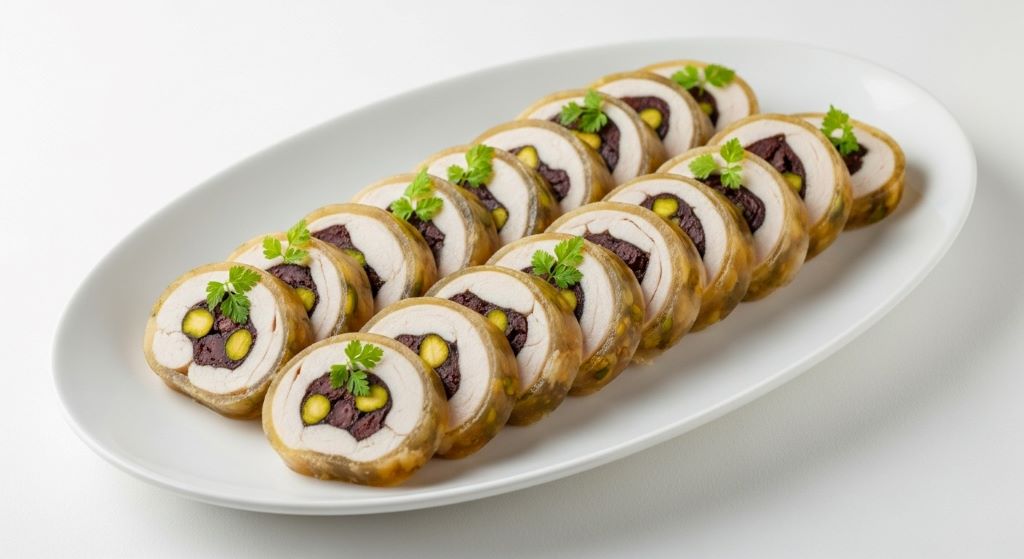
A galantine is a dish where meat gets deboned, stuffed, poached, and served cold in its own aspic. The aspic itself is a savory jelly made from meat stock containing natural gelatin. Together, they create a showstopping centerpiece for any special occasion.
The beauty of these dishes lies in their versatility. You can use chicken, duck, pork, or even fish. Additionally, the flavor possibilities are nearly endless. The key is understanding how to infuse flavors into both the galantine filling and the aspic coating.
Essential Ingredients for Flavor Development
The foundation of any great galantine starts with quality ingredients. Your meat selection matters significantly. Choose fresh, well-marbled cuts for the best results. The bones and skin provide natural gelatin, which creates that signature glossy finish.
Stock serves as the backbone of your flavor profile. A rich, well-seasoned stock transforms ordinary aspic into something extraordinary. Therefore, invest time in making homemade stock whenever possible. Commercial stocks can work in a pinch, but they lack the depth of flavor homemade versions provide.
Aromatics play a crucial role in flavor infusion. Classic choices include onions, carrots, celery, garlic, and fresh herbs. However, don’t be afraid to experiment. Lemongrass, ginger, or star anise can add exciting dimensions to your dish.
Stock Preparation and Fortification
Creating a flavorful stock requires patience and attention to detail. Start by roasting your bones until golden brown. This step develops deeper, more complex flavors. Next, combine the bones with cold water and bring everything to a gentle simmer.
Skim the stock regularly to remove impurities. This ensures a crystal-clear aspic later. Add your aromatics gradually throughout the cooking process. Early additions provide foundational flavors, while later additions contribute brightness and freshness.
The stock should reduce slowly over several hours. This concentration intensifies the flavors significantly. Moreover, it increases the natural gelatin content. A properly made stock will gel firmly when chilled without additional gelatin.
Clarification Techniques for Crystal-Clear Aspic
Clear aspic requires proper clarification. The traditional method uses egg whites and ground meat to create a “raft.” As the stock simmers, proteins coagulate and trap impurities. The result is a brilliantly clear liquid.
Beat egg whites until frothy, then mix them with finely ground lean meat. Add this mixture to your cooled stock and heat gently. The raft will form at the surface. Never let the stock boil during this process. Instead, maintain a bare simmer for maximum clarity.
Strain the clarified stock through cheesecloth carefully. Handle it gently to avoid breaking up the raft. According to the Culinary Institute of America, proper clarification is essential for professional-quality aspic presentation.
Flavor Infusion Methods for Aspic
Infusing flavors into aspic requires strategic timing. Some ingredients benefit from long cooking times, while others need brief exposure. Understanding these differences elevates your final dish considerably.
Woody herbs like thyme, rosemary, and bay leaves can withstand extended cooking. Add them early in the process. Conversely, delicate herbs like tarragon, chervil, and basil should go in near the end. This preserves their bright, fresh flavors.
Wine and fortified wines add sophisticated notes to aspic. Madeira, sherry, and port work particularly well. Add these after clarification to preserve their distinctive characteristics. The alcohol cooks off, leaving behind concentrated flavor compounds.
Citrus zest provides brightness without acidity. Use a vegetable peeler to remove wide strips, avoiding the bitter white pith. Steep these strips in warm aspic for 15 to 20 minutes, then remove them before setting.
Spice and Seasoning Integration
Whole spices create subtle complexity in aspic. Toast them lightly before adding to release essential oils. Peppercorns, coriander seeds, and juniper berries are traditional choices. However, experimenting with cardamom, fennel, or allspice can yield interesting results.
Make sachet bags using cheesecloth to contain your spices. This allows easy removal and prevents gritty textures. Tie the sachets securely and submerge them in your stock or aspic.
Salt requires careful consideration in aspic work. The flavors concentrate as liquids reduce. Therefore, season conservatively during cooking. You can always adjust the seasoning before final setting. Taste your aspic when it’s warm, as flavors become muted when cold.
Galantine Filling Flavor Combinations
The galantine filling offers tremendous creative opportunities. Traditional forcemeats combine ground meat with cream, eggs, and seasonings. The texture should be smooth yet substantial enough to slice cleanly.
Layering different flavors creates visual and taste interest. Consider alternating bands of herbs, dried fruits, or nuts. Pistachios provide beautiful green color and subtle sweetness. Dried apricots or cherries add fruity notes that complement rich meats.
Marinating proteins before assembly enhances flavor penetration. Overnight marinades work best for denser meats. Use acidic components like wine or vinegar sparingly, as too much can affect the meat’s texture negatively.
Assembly and Poaching Techniques
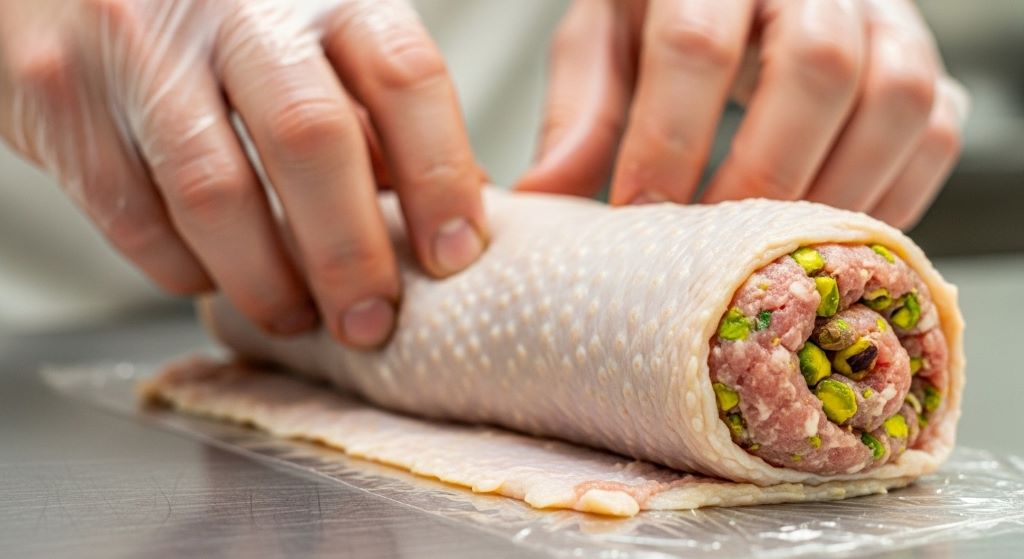
Proper assembly ensures even cooking and attractive presentation. Lay your deboned meat flat and trim it into a neat rectangle. Spread the filling evenly, leaving borders on all sides. Roll tightly and secure with kitchen twine.
Poaching temperature matters tremendously. The liquid should stay between 160 and 180 degrees Fahrenheit. Higher temperatures cause proteins to seize and squeeze out moisture. Lower temperatures risk food safety concerns.
Add aromatics to your poaching liquid for additional flavor infusion. The meat absorbs these flavors during the gentle cooking process. Fresh herbs, sliced citrus, and whole spices all work beautifully. Additionally, the poaching liquid becomes the base for your aspic.
Gelatin Adjustment and Setting
Sometimes natural gelatin isn’t sufficient for proper setting. Commercial gelatin can supplement your stock. Serious Eats recommends testing aspic consistency before final assembly. Place a small amount on a chilled plate. It should set firmly within a few minutes.
Bloom powdered gelatin in cold liquid before adding it to warm stock. This prevents clumping and ensures even distribution. Use approximately one tablespoon of gelatin per two cups of liquid for firm aspic.
Sheet gelatin offers more professional results. Soak the sheets in cold water until soft, then squeeze out excess moisture. Add the softened sheets to warm stock and stir until completely dissolved.
Layering and Decoration Strategies
Creating attractive layers requires patience and planning. Apply thin coats of aspic, allowing each to set before adding the next. This builds up a beautiful, glossy finish gradually.
Decorative elements should complement your flavor profile. Herb leaves, vegetable cutouts, or edible flowers create stunning visual effects. Dip each element in liquid aspic before placement. This acts as glue and creates a smooth final coating.
Work in a cool environment to prevent premature melting. A temperature around 65 degrees Fahrenheit is ideal. If your kitchen is warm, work near your refrigerator for quick chilling between layers.
Storage and Serving Recommendations
Properly stored galantine keeps for up to five days refrigerated. Wrap it tightly to prevent the aspic from absorbing refrigerator odors. The flavors actually improve slightly as they meld together over the first day or two.
Serve galantine at cool room temperature, not ice cold. Remove it from refrigeration 30 minutes before serving. This allows the flavors to open up and the texture to soften slightly.
Slice with a sharp, thin-bladed knife dipped in hot water. Wipe the blade clean between cuts for neat, professional-looking portions. The aspic should slice cleanly without cracking or tearing.
Conclusion
Mastering galantine and aspic techniques opens new culinary possibilities. These classic preparations combine art and science beautifully. The key lies in understanding flavor infusion principles and proper gelatin handling.
Start with quality ingredients and well-made stock. Take time with clarification and flavor development. Layer your aromatics strategically throughout the cooking process. Practice patience during assembly and setting.
These techniques may seem complex initially. However, they become intuitive with practice. The stunning results make every effort worthwhile. Your guests will appreciate the time and skill invested in these elegant dishes.
Frequently Asked Questions
What is the difference between galantine and pâté?
Galantine involves deboning meat, stuffing it, rolling it, and serving it cold in aspic. Pâté is a mixture of ground meat and fat cooked in a terrine or mold. Galantine features more refined presentation and always includes aspic coating.
Can I make aspic without gelatin sheets or powder?
Yes, traditional aspic relies on natural gelatin from bones, skin, and connective tissue. Make rich stock from these ingredients and reduce it sufficiently. The stock will gel naturally when chilled if prepared correctly.
How do I fix cloudy aspic?
Clarify your stock using the egg white raft method. Combine beaten egg whites with ground lean meat and add to cooled stock. Simmer gently without boiling, then strain through multiple layers of cheesecloth.
What meats work best for galantine?
Chicken, duck, and turkey are traditional choices. Pork and veal also work excellently. Fish galantines are less common but can be spectacular. Choose meats with enough natural fat for moisture and flavor.
How long does galantine last in the refrigerator?
Properly wrapped galantine keeps for four to five days refrigerated. The aspic coating helps preserve the meat. Always check for off odors or appearance changes before serving leftovers.
Related Topics:
Calculating the amount of drink per person for parties and meetings


Average Rating