
 0
0
 0
0 The Mystery of Chromakopia
Have you ever wondered what the world would look like if you could only see one color? While most people are familiar with color blindness—where individuals struggle to distinguish certain hues—few have heard of chromakopia, an extremely rare visual phenomenon where a person sees only one color.
In this article, we’ll explore the meaning of chromakopia, its causes, how it differs from other types of color vision deficiencies, and whether there are any treatments available. By the end, you’ll have a clear understanding of this fascinating condition and how it affects those who experience it.
What Is Chromakopia? Definition and Meaning
Chromakopia (or chromakopsia) is a rare form of color blindness where an individual perceives the world predominantly in a single hue. Unlike typical color blindness (such as red-green or blue-yellow deficiency), chromakopia results in a monochromatic or near-monochromatic vision, meaning most or all colors appear as shades of one color.
The term “chromakopia” comes from the Greek words:
- “Chroma” (χρώμα) – meaning “color”
- “Akopia” (ακοπία) – meaning “lack of” or “blindness to”
Thus, chromakopia essentially means “blindness to all colors except one.”
How Does Chromakopia Differ from Other Types of Color Blindness?
Most forms of color blindness, such as:
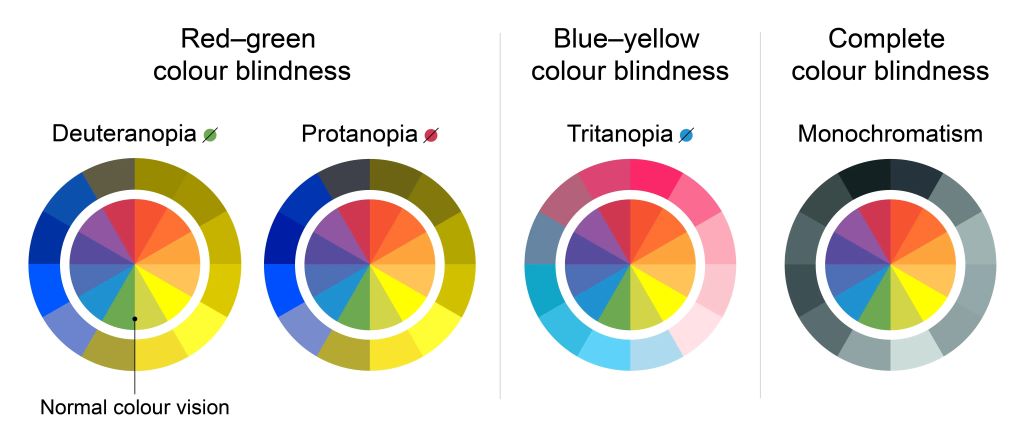
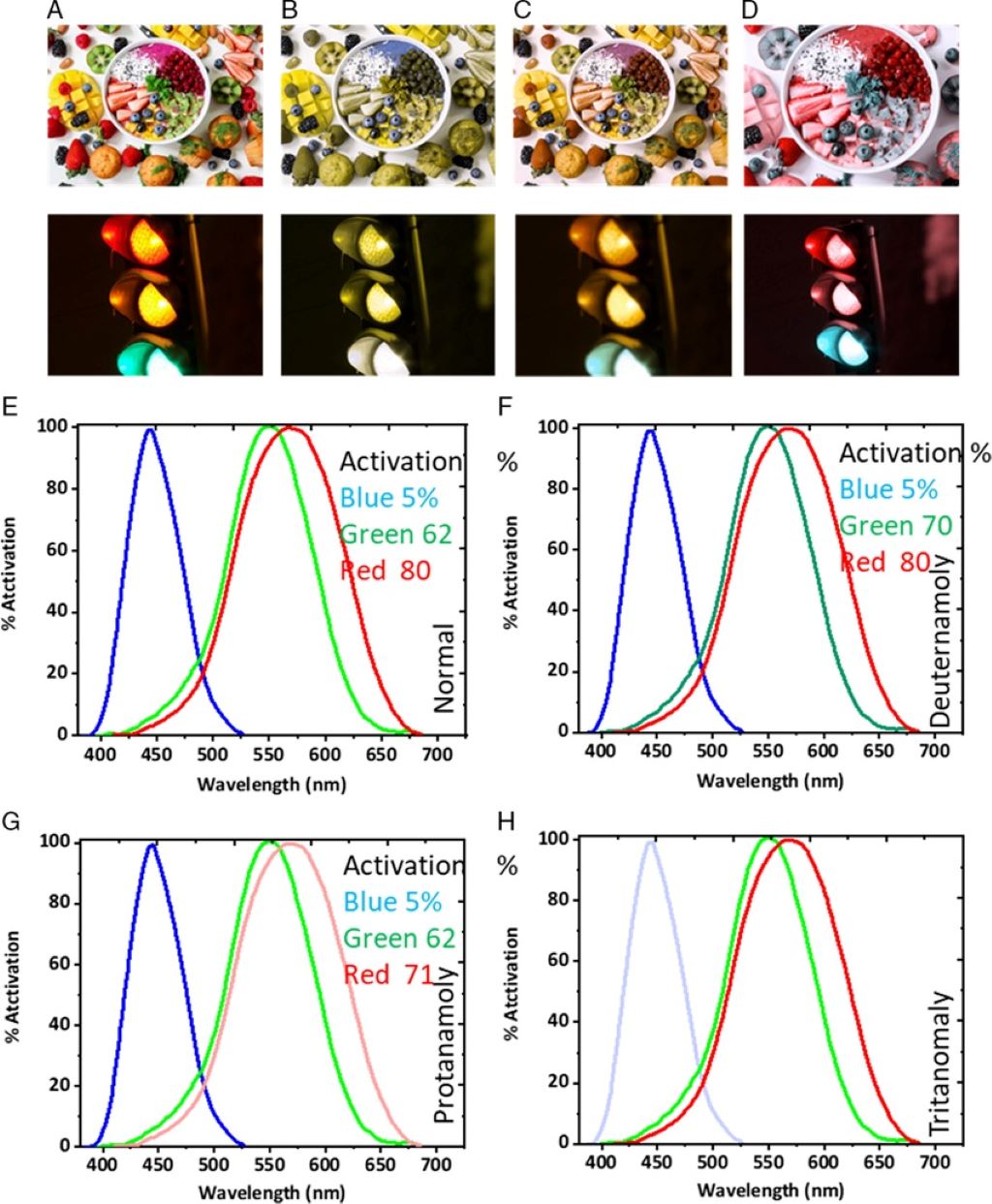
- Protanopia (inability to see red)
- Deuteranopia (inability to see green)
- Tritanopia (inability to see blue)
…involve difficulty distinguishing between certain colors. However, chromakopia is far more extreme, reducing the world to a single dominant color.
Causes of Chromakopia: Why Does It Happen?
Chromakopia is exceptionally rare, and research on it is limited. However, possible causes include:
- Neurological Conditions
- Stroke or brain injury affecting the visual cortex
- Migraine aura (temporary chromakopia during episodes)
- Epilepsy (seizures altering color perception)
- Drug-Induced Chromakopia
- Hallucinogenic substances (LSD, psilocybin) can cause temporary color distortions.
- Medication side effects (rare cases linked to certain antidepressants or antipsychotics).
- Eye Diseases and Retinal Damage
- Advanced glaucoma or retinal detachment may disrupt color processing.
- Cone dystrophy (a rare retinal disorder affecting color-detecting cone cells).
- Psychological Factors
- Synesthesia (a condition where senses blend, causing some to “see” sounds as colors).
- Psychogenic polychromatopsia (a rare psychological condition altering color perception).
Symptoms of Chromakopia: What Does It Look Like?
People with chromakopia may experience:
- A dominant color tint (e.g., everything appears reddish, greenish, or bluish).
- Reduced contrast between objects.
- Difficulty distinguishing shapes if colors blend into one hue.
Unlike typical color blindness, chromakopia is often temporary (caused by migraines or drugs) but can, in rare cases, be permanent due to brain damage.
Diagnosis: How Is Chromakopia Identified?
Since chromakopia is rare, diagnosis involves:
- Comprehensive eye exams (to rule out retinal issues).
- Neurological tests (MRI or CT scans to check for brain abnormalities).
- Color vision tests (Ishihara plates, Farnsworth-Munsell tests).
- Patient history review (drug use, head injuries, migraines).
Is There a Treatment for Chromakopia?
Treatment depends on the underlying cause:
- Drug-induced cases usually resolve once the substance leaves the system.
- Migraine-related chromakopia may improve with migraine management.
- Neurological damage may require vision therapy or adaptive strategies.
Currently, no cure exists for permanent chromakopia, but tinted lenses or color-filtering glasses might help adjust perception.
Living with Chromakopia: Adaptations and Coping Strategies
For those with persistent chromakopia:
- Use high-contrast settings on digital devices.
- Label items by texture or shape rather than color.
- Seek occupational therapy for daily task adaptations.
Frequently Asked Questions (FAQs)
- Is chromakopia the same as monochromacy?
No. Monochromacy (achromatopsia) is complete color blindness (seeing only in black, white, and gray), while chromakopia involves seeing one dominant color.
- Can chromakopia be temporary?
Yes, drug use, migraines, or seizures can cause short-term chromakopia.
- How rare is chromakopia?
Extremely rare—most documented cases are linked to neurological events or drug use.
- Does chromakopia affect night vision?
Not directly, but poor contrast sensitivity may make night vision harder.
Conclusion: Understanding This Rare Visual Phenomenon
Chromakopia is a fascinating yet poorly understood condition that drastically alters color perception. Whether temporary or permanent, it highlights how complex human vision is.
Related Topics:



Average Rating