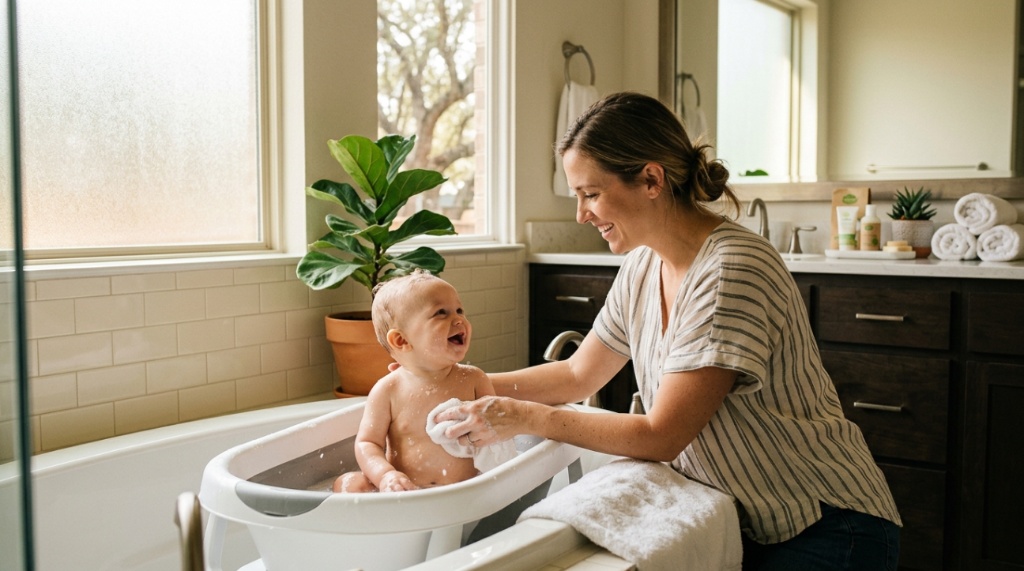
Bath time in Texas is more than just a routine—it’s a daily necessity to beat the heat, especially during those long summer months. But if you have a newborn or a wriggly infant, bath time can quickly turn from a bonding moment into a stressful balancing act. You need a tub that supports your baby safely while being practical for your space, lifestyle, and climate. With so many options on the market, from inflatable models to convertible frames, choosing the right one can feel overwhelming. This guide cuts through the noise to help you understand exactly what to look for so you can confidently select the best baby bathtub in Texas for your family, ensuring every splash is safe, fun, and stress-free.
Key Takeaways
- Prioritize a bathtub with a stable, non-slip base and a well-designed harness or sling for newborns to prevent slips in the water.
- Consider your water source; if you have hard water, look for tubs that are easy to clean and resistant to soap scum buildup, like those made from simple plastics or silicone.
- Think about space—Texas homes and apartments vary widely, so measure your countertop or tub area before choosing between a compact basin or a full-size frame tub.
- Look for a tub that drains quickly and is lightweight, with no hidden crevices for water to pool and cause mildew, a common issue in humid climates.
- Choose a tub that grows with your child—options like convertible sling tubs or bath seats offer longer usability than a basic newborn sling.
What to Look for in a Baby Bathtub
Before you add any tub to your cart, you need to understand the core features that separate a good product from a great one. While marketing photos are cute, the functionality is what actually keeps your baby safe. You are looking for a product that provides ergonomic support, is made from non-toxic materials, and offers a secure grip for you when handling a wet, slippery baby. Safety certifications, such as JPMA (Juvenile Products Manufacturers Association) approval, are a good baseline, but your specific needs depend on your baby’s age and your bathroom layout.
Material Matters: Plastic vs. Silicone vs. Inflatable
The material of the tub determines its durability, weight, and how easy it is to clean. Standard hard plastic tubs are the most common because they are rigid, stable, and often come with more features like built-in thermometers or drain plugs. However, they can be bulky. Silicone or fabric collapsible tubs are excellent space-savers if you live in a compact apartment, but they may not offer the same level of structural support for a newborn. Inflatable tubs are great for travel and for use in a larger family tub, but they can be punctured and take time to inflate and deflate. For a daily routine, a sturdy plastic tub is usually the most reliable choice, provided it has a generous non-slip interior surface.
Weight Capacity and Longevity
Many parents forget to check the weight limit on a baby tub. Most basic sling tubs are only suitable up to around 15-20 pounds. Once your baby hits that weight, they will start to outgrow the sling, which can make bath time hazardous. If you want a tub that lasts longer, look for “convertible” models. These often feature a sling for newborns that pops out, and a wider, harder base that supports older, sitting babies up to 25 or 30 pounds. Spending a little more on a tub with a longer usable weight range will save you money in the long run.
Different Types of Bathtubs for Different Ages
Your baby’s developmental stage dictates the type of tub that will serve you best. A newborn who cannot hold their head up has vastly different needs than a curious 8-month-old who wants to stand up in the water. Choosing a tub that matches your child’s physical capabilities is the most important safety decision you will make at bath time.
Newborn Sling Tubs
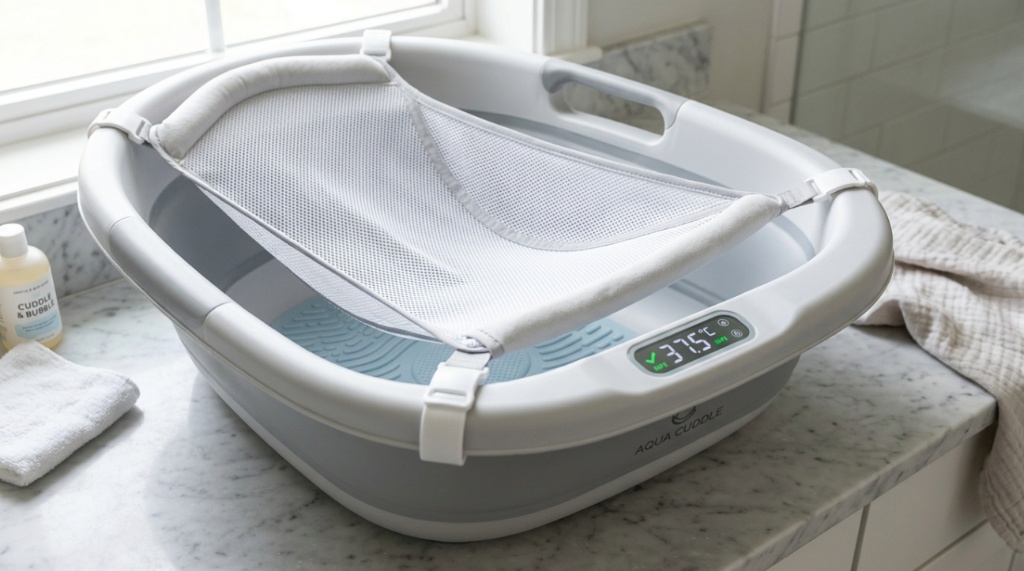
For the first few months, a newborn sling tub is often the best choice. These tubs feature a gently angled insert that cradles the baby, keeping their head above water while their body remains submerged. This design helps prevent your baby from sliding down into the water. The sling also supports the neck and spine, which is crucial before your baby develops head control. This type of tub is perfect for small newborns but usually has a lower weight limit, so be prepared to transition once your baby reaches about 15 pounds.
Convertible and Frame Tubs
Once your baby can sit up unassisted (usually around 6 months), a convertible tub or a bath seat becomes more suitable. A convertible tub removes the sling, allowing the baby to sit directly on a textured, slip-resistant surface. Frame tubs, like the popular Puj or Stokke models, stand on the floor, eliminating the need to bend over the edge of your regular bathtub. This is a huge back-saver for parents. These are ideal for European-style walk-in showers in some newer Texas apartments, where a standard tub may not be available. However, they do take up floor space, so consider your room dimensions carefully, If you enjoy outdoor water adventures with your family on weekends, check out our guide on Compare Affordable Stand Up Paddleboards to find the right board for your next trip.
Why Texas Homes Have Specific Bathtub Needs
Living in Texas brings unique challenges that parents in other regions might not think about. The humidity and heat affect how a bathtub holds up over time, and water quality can play a role in how often you need to clean it. You need a product that can withstand these conditions without growing mold or becoming stained.
Humidity and Mildew Resistance
Texas summers are humid, and bathrooms are prone to holding onto that moisture. If your baby bathtub has hard-to-reach crevices or a foam insert that retains water, it will quickly become a breeding ground for mildew. Look for a tub that is designed to drain completely and dry quickly. Simple, smooth designs are easier to wipe down after every use. You should avoid tubs with thick, non-removable padding unless you are willing to hang them up to dry after every bath. A clean, dry tub is essential for preventing skin irritation in your baby.
Hard Water and Soap Scum
Many parts of Texas are known for hard water, which is high in minerals like calcium and magnesium. This hard water makes it harder to rinse away soap and baby shampoo, leaving behind a sticky film on the tub. Over time, this film can harbor bacteria if not removed. To combat this, you need a tub with a smooth surface that is easy to scrub. You might also consider mixing a small amount of distilled white vinegar into your cleaning routine to break down the mineral deposits, but make sure to rinse thoroughly before the next bath. Choosing a tub that is dishwasher safe can also simplify the sanitization process.
Evaluating Safety Features and Accessories
Beyond the basic shape of the tub, there are several “bells and whistles” that can enhance safety. However, you must learn which features are genuinely useful and which are gimmicks that just add to the price tag. The primary goal is to prevent slips and ensure the water temperature is safe for your baby’s delicate skin.
Built-in Thermometers vs. Manual Checks
A built-in thermometer is a handy feature, but you should not rely on it exclusively. The “ideal” bath temperature for a baby is between 90°F and 100°F (32°C to 38°C). While a digital indicator on the tub helps you hit that target quickly, these sensors can sometimes become inaccurate over time. Always perform a manual check by dipping your elbow into the water before placing your baby inside. Your elbow is much more sensitive to heat than your hand, so it gives a better indication of whether the water is safe.
The Importance of the Drain Plug
This sounds like a minor detail, but the drain is a crucial feature. A good drain plug should be easy to open with one hand, allowing you to drain the water quickly while holding your baby with the other. It is safer to drain the tub immediately after bathing, as a leftover shallow pool of water is a serious drowning hazard for a mobile infant. Also, check that the plug sits flush with the bottom of the tub so it doesn’t create a lump that digs into your baby’s back.
Common Mistakes Parents Make When Buying
Even with the best intentions, parents often fall into the trap of buying a tub that looks good but fails in practice. Understanding these common pitfalls can save you from wasting money and risking your baby’s comfort. It is easy to get swayed by aesthetic colors or celebrity endorsements, but function is king.
Mistake 1: Buying Too Large. A giant tub might seem like a good investment for longevity, but it can be dangerous for a newborn. If the tub is too big, the water level may not come high enough to keep the baby warm, or the harness straps may not fit snugly. Always match the tub size to the baby’s current size, not their future size.
Mistake 2: Ignoring the “Slip” Factor. If the tub slides around on your kitchen counter or bathroom floor, it is a hazard. Many tubs come with suction cups on the bottom. However, these suction cups often fail on textured surfaces or in steam-filled environments. Ensure the tub has a rubberized, non-slip mat on the bottom and that the surface you place it on is completely dry before starting the bath.
Mistake 3: Overlooking the “Hose” Water Level. Some parents attach a hose to the tub to fill it directly from the sink. While convenient, you must ensure the faucet is long enough to reach the tub’s fill line. If the water has to pour from a high distance, it cools down quickly and may splash out, creating a slippery mess on the floor.
Comparing Popular Options on the Market
While individual brand names come and go, the market generally categorizes tubs into a few dominant styles. Understanding the pros and cons of these categories will help you narrow down your search based on your lifestyle. You need to decide if you prefer the portability of a compact basin or the ergonomics of a full-size frame.
| Tub Type | Best For | Advantages | Disadvantages |
|---|---|---|---|
| Bucket/Basin (e.g., Shnuggle) | Newborns up to 12 months | Space-saving, uses less water, keeps baby warm with high sides, ergonomic for parents. | Baby may outgrow it quickly; it does not recline fully. |
| Collapsible (e.g., Munchkin) | Travel and small spaces | Folds flat for storage, lightweight, affordable. | Hinge points can trap dirt, less rigid support for newborns. |
| Frame/Stand (e.g., Angelcare) | Parents with back pain | Elevates the baby to a safe height, ergonomic for the parent, drains fast. | Bulky, heavy, requires floor space, often more expensive. |
| Inflatable (e.g., Mambobaby) | Toddlers and travel | Soft, comfortable, fun for splashy toddlers, easy to deflate. | Must remain inflated for use, prone to punctures, tricky to dry on the inside. |
How to Extend the Life of Your Bathtub
Once you’ve purchased your tub, proper care is essential to ensure it lasts until your baby is ready for the big bathtub. A little bit of maintenance goes a long way in preserving the material and hygiene of the tub. You want to establish a quick cleaning routine that takes less than a minute to prevent long-term grime.
After every bath, immediately drain the water and give the tub a quick rinse with hot water. This removes the soap residue that can cloud the plastic over time. Hang it up or prop it against the wall to dry. For a weekly deep clean, use a gentle baby-safe cleaner or a simple mixture of vinegar and water. Avoid using harsh abrasive scrubbers, as they can scratch the plastic, creating rough spots where bacteria like to hide. Always check the manufacturer’s instructions to see if the tub is dishwasher safe, as the heat of a dishwasher might warp some plastics. Discover how to find the best baby bathtub. Compare top-rated, safe, and comfortable infant bath options for your little one today.
Frequently Asked Questions
Is it safe to use a baby bathtub in a walk-in shower?
Yes, it is safe if you use a tub with a strong non-slip base. However, you need a drain solution. You will need to pour the water out manually after the bath or use a tub with a drain hose that can direct water to the shower drain. Never let water pool around the tub while you are holding your baby.
Can I use regular dish soap to clean the bathtub?
It is better to use a mild baby-safe cleaner or white vinegar diluted with water. Regular dish soaps can leave a residue that may irritate your baby’s skin during the next bath. Rinse the tub thoroughly with hot water after cleaning to ensure no cleaning product residue remains.
When should I stop using the baby bathtub and switch to the regular bathtub?
You can transition your baby to the regular bathtub once they can sit up strongly and consistently without assistance, usually around 8 to 12 months. You should also ensure they are old enough that they cannot slip down easily. Starting with a shallow layer of water in the big tub is a safe way to transition.
Are bathtub thermometers necessary if the tub has a temperature strip?
No. A temperature strip is helpful, but an old-fashioned, floating thermometer or your elbow is the most reliable method. Temperature strips can fade or peel over time. Always trust your own physical check over a sticker or plastic sensor.
Conclusion
Choosing the right bathtub is one of the first major safety purchases you will make for your baby. It is not about finding the flashiest option, but the one that fits securely in your space, matches your baby’s developmental stage, and stands up to the unique demands of the Texas climate. Focus on materials that resist mildew, look for convertible designs to maximize value, and never compromise on non-slip features. By taking the time to assess your own bathroom layout and your baby’s specific needs, you can turn bath time from a chore into a safe, splashy ritual full of giggles and bonding. Start your search with these criteria in mind, and you will find the perfect fit for your family.