
 0
0
 0
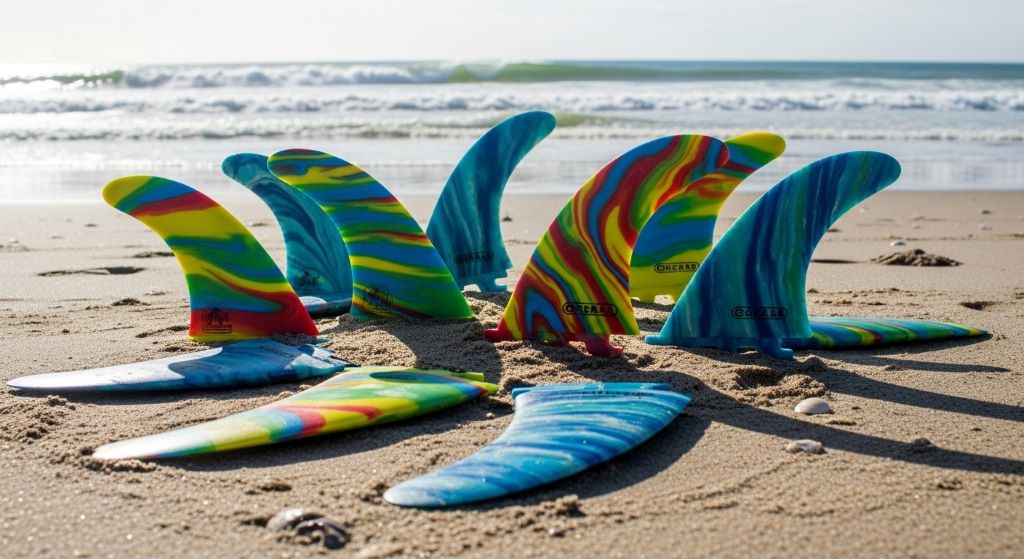
0 The surfing community has always shared a deep connection with the ocean. However, as plastic pollution threatens marine ecosystems worldwide, surfers are taking action. Recycled plastic surfboard fins represent an innovative solution that transforms waste into performance gear. This article explores how these eco-friendly products are making waves in the fight against pollution.
The Growing Problem of Plastic in Our Oceans
Every year, millions of tons of plastic enter our oceans. This waste harms marine life, damages ecosystems, and threatens human health. Plastic bottles, bags, and fishing nets float in massive garbage patches across the globe. Scientists estimate that by 2050, there could be more plastic than fish in the sea by weight.
The problem affects everyone, but surfers witness it firsthand. They paddle through debris fields and watch beautiful beaches become littered with trash. This direct exposure has inspired many in the surfing world to seek solutions. Therefore, the industry has begun reimagining how surf equipment gets made.
Traditional surfboard fins are typically manufactured from virgin plastics or fiberglass. These materials require significant energy to produce and create environmental harm. Additionally, when old fins get discarded, they add to the growing waste problem. The cycle continues unless manufacturers embrace new approaches.
What Makes Recycled Plastic Fins Different
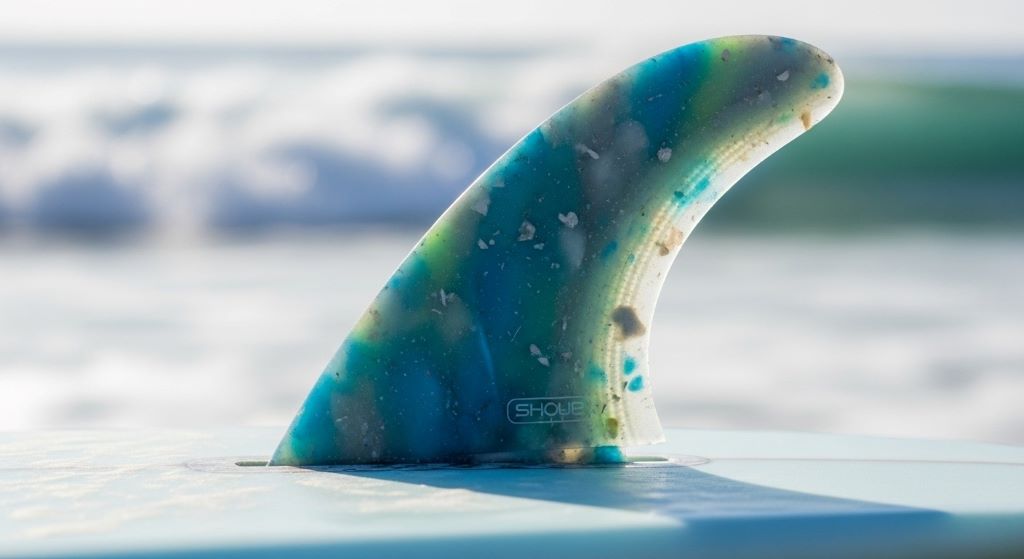
Recycled plastic fins start their journey as waste materials. Companies collect discarded plastic from various sources, including ocean cleanup initiatives. These plastics undergo thorough cleaning and processing before transformation into new products. The result is a fin that performs excellently while giving new life to materials that would otherwise pollute our environment.
The manufacturing process involves several steps. First, collected plastics get sorted by type and color. Then, workers clean and shred the material into small flakes. These flakes are melted and reformed into pellets that serve as raw material for fin production. Finally, manufacturers mold these pellets into high-performance fins using specialized equipment.
Modern recycled fins match or exceed the performance of traditional options. Engineers have perfected the balance between flexibility and strength. Surfers report that these fins provide excellent drive, control, and responsiveness in various wave conditions. Moreover, they maintain durability comparable to conventional fins, lasting through countless sessions.
The Environmental Impact of Choosing Recycled Fins
Every recycled fin removes plastic from potential ocean entry points. One set of fins can incorporate plastic equivalent to dozens of bottles. When multiplied across thousands of surfers making conscious choices, the impact becomes substantial. This represents meaningful progress in ocean waste recycling efforts.
The production process also reduces carbon emissions compared to virgin plastic manufacturing. Creating new plastic from petroleum requires energy-intensive refining and processing. Recycled plastic production uses significantly less energy because the base material already exists. Therefore, choosing recycled options helps combat climate change alongside pollution.
Water usage decreases dramatically with recycled materials as well. Traditional plastic production consumes vast quantities of fresh water during refinement. Recycling processes require far less water, conserving this precious resource. Communities near manufacturing facilities benefit from reduced environmental strain.
Furthermore, supporting recycled products encourages more companies to adopt sustainable practices. Consumer demand drives industry change. As more surfers choose eco-friendly gear, manufacturers invest in greener technologies and processes. This creates a positive feedback loop that accelerates environmental progress.
How Ocean Cleanup Initiatives Supply Raw Materials
Several organizations now collect ocean plastic specifically for recycling into surf products. Beach cleanups organized by surf clubs and environmental groups provide steady material streams. Volunteers gather discarded bottles, packaging, and other debris from coastal areas. These efforts combine community engagement with practical waste reduction.
Some companies partner with fishing communities to reclaim abandoned nets and gear. Ghost fishing equipment represents a significant threat to marine life. By purchasing this waste from fishermen, organizations create economic incentives for proper disposal. The recovered materials then become raw feedstock for manufacturing processes.
Advanced cleanup technologies also contribute to material collection. Specialized vessels equipped with filtering systems patrol known pollution zones. They scoop up floating plastic before it breaks down into microplastics. This plastic gets sorted, cleaned, and shipped to recycling facilities. Innovation in collection methods continues to improve efficiency and scale.
River interception projects prevent waste from reaching oceans in the first place. Many organizations place barriers in waterways that catch plastic before it flows downstream. These systems operate in regions with limited waste management infrastructure. The intercepted materials get recycled rather than entering marine environments, representing proactive ocean waste recycling.
Performance Benefits That Match Environmental Ones
Skeptics once worried that recycled fins might compromise performance. However, extensive testing has proven these concerns unfounded. Modern engineering techniques ensure recycled fins deliver the responsiveness surfers demand. Professional athletes now ride recycled equipment in competitions without sacrificing competitive edge.
The flexibility characteristics of recycled plastic fins suit various surfing styles. Beginners appreciate forgiving fins that help with stability and control. Advanced surfers find that premium recycled options provide the snap and drive needed for progressive maneuvers. Customization options allow riders to match fins to their specific board and wave preferences.
Durability testing shows recycled fins withstand years of hard use. They resist cracking, fading, and deformation just like traditional alternatives. Salt water, sun exposure, and impact from rocks cause minimal degradation. This longevity means fewer replacements over time, further reducing environmental impact.
Temperature stability is another important performance factor. Recycled fins maintain their characteristics across varying water temperatures. They don’t become overly stiff in cold conditions or too soft in warm tropical waters. Consistent performance across environments makes them reliable choices for traveling surfers.
The Role of Surf Sustainability in Industry Transformation
The surfing industry’s embrace of sustainability extends beyond fins. Board manufacturers now offer models made from bio-resins, recycled foam, and renewable materials. Wetsuit companies develop neoprene alternatives from natural rubber and limestone. Wax producers create formulas from beeswax and plant-based ingredients instead of petroleum derivatives.
This comprehensive approach to surf sustainability reflects changing consumer values. Younger surfers particularly prioritize environmental responsibility when purchasing gear. They research brands carefully and support companies demonstrating genuine commitment to ocean protection. Market research shows this demographic will increasingly dominate consumer spending in coming years.
Events and competitions now incorporate sustainability requirements. Organizers mandate recyclable materials for event infrastructure. They partner with cleanup initiatives and carbon offset programs. Some contests even require competitors to use eco-friendly equipment. These policies normalize sustainable practices and raise awareness among participants and spectators.
Education programs teach the next generation about ocean conservation. Surf schools integrate environmental lessons into their instruction. Students learn about plastic pollution, marine ecosystems, and individual impact. They understand how equipment choices connect to larger environmental challenges. This knowledge empowers informed decision-making throughout their surfing journeys.
Economic Considerations and Market Growth
Recycled plastic fins now compete price-wise with conventional options. As production scales increase, manufacturing costs continue declining. Many recycled fins actually cost less than premium traditional alternatives. This affordability removes financial barriers that might otherwise discourage sustainable choices.
The market for eco-friendly surf products grows rapidly each year. Industry analysts project continued expansion as awareness spreads and technology improves. Investment in sustainable surf companies has increased dramatically. Venture capital recognizes both the environmental necessity and profit potential of this sector.
Job creation accompanies this market growth. Collection operations, recycling facilities, and manufacturing plants all require workers. These positions often emerge in coastal communities most affected by ocean pollution. Therefore, the industry provides economic benefits alongside environmental ones to the people who need them most.
Small businesses find opportunities in this expanding market. Local shapers create custom recycled boards and fins for their communities. Artisan brands develop followings based on quality craftsmanship and environmental values. This decentralization strengthens local economies while promoting sustainability.
Challenges and Future Innovations
Despite progress, challenges remain in scaling recycled plastic fin production. Collection logistics can be complex and expensive. Sorting different plastic types requires labor and technology. Contamination from non-plastic materials complicates processing. Overcoming these obstacles demands continued innovation and investment.
Quality consistency presents another hurdle. Ocean-collected plastics vary in degradation levels and composition. Manufacturers must carefully blend materials to achieve uniform performance characteristics. Advanced testing and quality control systems help maintain standards. However, this adds complexity to the production process.
Looking forward, new technologies promise even better solutions. Chemical recycling breaks plastics down to molecular levels, creating virgin-quality material from waste. Bio-based plastics offer alternatives that biodegrade safely if lost in the ocean. Researchers explore materials derived from algae, mushrooms, and agricultural waste. These innovations could revolutionize surf equipment manufacturing within the next decade.
Collaboration between industries could amplify impact. The automotive, fashion, and construction sectors all face similar plastic challenges. Sharing recycling infrastructure and technologies would reduce costs and increase efficiency. Cross-industry partnerships could accelerate the transition away from virgin plastics across multiple markets.
How Individual Surfers Can Make a Difference
Choosing recycled fins represents just one action surfers can take. Participating in beach cleanups removes waste before it enters recycling streams or harms wildlife. Even one hour monthly makes a measurable difference. Many surf shops and clubs organize regular cleanup events that welcome participants of all ages.
Supporting brands committed to sustainability sends powerful market signals. Research companies before purchasing equipment. Look for transparency about materials, manufacturing processes, and environmental initiatives. Vote with your wallet by choosing businesses that prioritize ocean health.
Reducing single-use plastic consumption in daily life prevents waste generation. Bring reusable water bottles to the beach instead of buying disposable ones. Pack snacks in containers rather than plastic bags. Small changes in personal habits collectively create significant impact when adopted widely.
Advocacy and education extend individual influence. Share information about ocean waste recycling with fellow surfers. Encourage surf schools and shops to stock sustainable products. Contact local representatives about plastic reduction policies. Grassroots pressure drives political and corporate action on environmental issues.
Conclusion
Recycled plastic surfboard fins demonstrate how innovation can address environmental challenges. They transform ocean waste into high-performance equipment that surfers trust. The technology proves that sustainability and quality need not conflict. As the industry embraces these solutions, the collective impact grows substantially.
The surfing community’s connection to the ocean positions it uniquely to lead environmental change. Every recycled fin chosen represents a small victory against plastic pollution. However, these individual decisions combine to create waves of positive change. The path forward requires continued innovation, education, and commitment.
By supporting recycled products, participating in cleanup efforts, and advocating for sustainability, surfers protect the playground they love. The ocean has given countless hours of joy to those who ride its waves. Therefore, protecting it through conscious choices becomes both responsibility and privilege. Together, the global surfing community can ensure healthy oceans for future generations.
Frequently Asked Questions
How long do recycled plastic surfboard fins last compared to traditional fins?
Recycled plastic fins typically last just as long as traditional fins when properly maintained. Most manufacturers offer warranties of several years, and many surfers report using the same recycled fins for five years or more. The modern manufacturing process creates durable products that withstand saltwater, sun exposure, and normal wear without significant degradation.
Do recycled fins perform as well as regular fins in competitive surfing?
Yes, recycled plastic fins match the performance of conventional fins in all surfing conditions. Professional surfers increasingly use recycled equipment in competitions without compromising their results. The manufacturing process creates fins with identical flex patterns, strength, and responsiveness to traditional options. Performance testing confirms no measurable difference in competitive scenarios.
What types of plastic get used to make recycled surfboard fins?
Most recycled fins come from post-consumer plastics like PET bottles, HDPE containers, and recovered ocean waste. Manufacturers carefully sort and blend different plastic types to achieve optimal performance characteristics. Some companies specialize in using plastics collected directly from ocean cleanup initiatives, while others incorporate materials from general recycling streams.
Are recycled fins more expensive than traditional options?
Recycled fins now cost about the same as traditional alternatives, with some actually priced lower than premium conventional fins. As manufacturing scales have increased and technology has improved, production costs have decreased significantly. Many brands offer recycled options across various price points, making sustainable choices accessible to all budgets.
Can recycled plastic fins be recycled again when they wear out?
Most recycled fins can be recycled again at the end of their lifespan. Many manufacturers have take-back programs that accept old fins for reprocessing into new products. This creates a circular economy where materials continuously cycle through useful applications rather than becoming waste. Check with specific brands about their recycling programs and proper disposal procedures.
Related Topics:
A Brief History of Rock Climbing Sports
Choosing the Right Protective Sports Helmet: Why Bavilk Stands Out



Average Rating