

If you’ve been waking up with a stiff neck, tossing all night, or feeling like your pillow is working against you, you’ve probably started looking for a more supportive option. Buckwheat pillows have a loyal following for good reason—they offer firm, moldable support that holds up for years. But if you live in California, there are a few distinct factors—from the climate to local availability—that can change how you shop. This guide walks through exactly what to look for, what to avoid, and how to find the best buckwheat pillow in California for your sleep style.
Key Takeaways
- Buckwheat pillows provide firm, adjustable support that conforms to your neck and shoulders better than most memory foam options.
- California’s warm climate and low humidity mean you should prioritize breathable cotton or hemp covers over synthetic materials that trap heat.
- Buying from local or West Coast brands can reduce shipping costs and make it easier to find organic, California-grown buckwheat hulls.
- Always check the fill weight and adjustability—you want a pillow you can customize by adding or removing hulls through a zippered opening.
- If you’re new to buckwheat, expect a 1–2 week adjustment period; the initial firmness takes time to get used to, but most sleepers find it worth it.
Why Choose a Buckwheat Pillow?
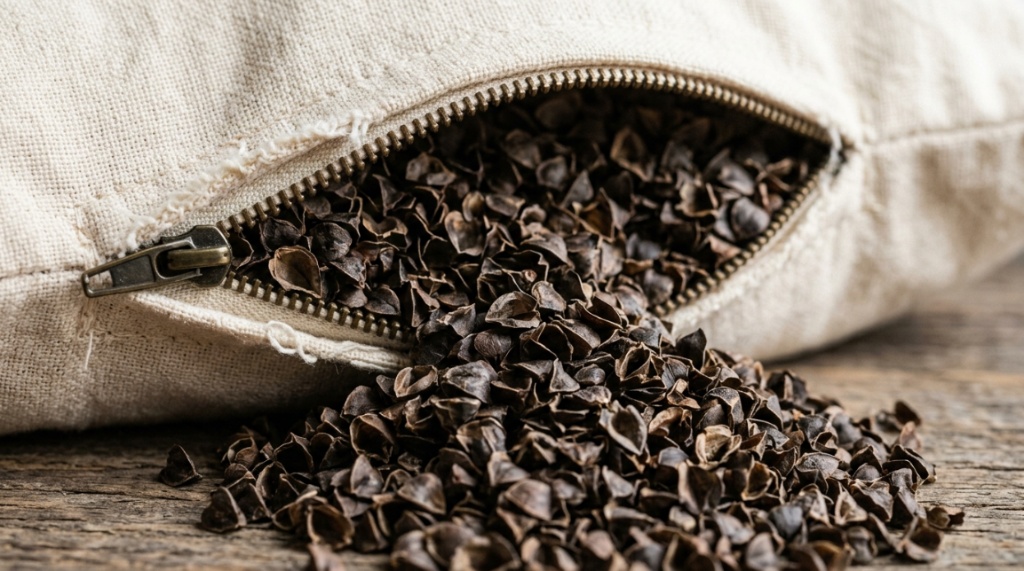
Buckwheat pillows are filled with the dried hulls of buckwheat seeds. Unlike memory foam, which molds slowly and retains heat, buckwheat hulls shift instantly and allow air to circulate freely. The result is a pillow that feels like a firm beanbag but provides structured support that keeps your spine aligned throughout the night.
For side sleepers, buckwheat offers the height and firmness needed to fill the gap between your ear and shoulder. Back sleepers can flatten it slightly for a low, supportive profile. Stomach sleepers—who typically need the thinnest pillow—can remove hulls to achieve a nearly flat surface. This level of customization is one of the biggest reasons people switch.
What Makes Buckwheat Different from Memory Foam?
Memory foam responds to heat and pressure, slowly conforming to your shape. Buckwheat responds to movement and gravity, shifting into place almost immediately. This means:
- Support: Buckwheat provides firm, consistent support throughout the night without sagging.
- Temperature: Hulls allow airflow, so the pillow stays cool even in warm weather.
- Durability: Hulls don’t break down like foam; they simply shift. A quality buckwheat pillow can last 5–10 years.
- Adjustment: You can remove or add hulls through a zipper to change the loft and firmness.
The main downside is the initial firmness and the slight rustling sound of the hulls shifting as you move. Some people also find the weight surprising—a full buckwheat pillow can weigh 5–8 pounds.
What to Look for in a Buckwheat Pillow for California
California’s Mediterranean climate—warm summers, mild winters, and low humidity—affects both comfort and material choices. Here’s what to prioritize.
Breathable, Natural Cover Fabric
The cover is the first thing that touches your skin, and it also affects airflow. Organic cotton, hemp, and linen are the best options because they’re breathable, moisture-wicking, and naturally temperature-regulating. Cotton twill weaves are durable and soft. Hemp is more textured but even more breathable and long-lasting. Avoid polyester or microfiber covers—they trap heat and can make you sweat, especially during California’s warmer months.
Look for covers with a generous zipper opening (at least 8–10 inches) so you can easily remove or add hulls. A smaller zipper makes adjustment frustrating.
Hull Quality and Sourcing
Not all buckwheat hulls are the same. High-quality hulls are:
- Whole and unbroken: Broken hulls turn into dust and reduce support.
- Clean and dust-free: Poorly washed hulls can trigger allergies or irritation.
- Organic or pesticide-free: Buckwheat grown with heavy pesticide use can leave residues that off-gas, especially in warm conditions.
Some California-based brands source hulls from local farms, which reduces shipping distance and ensures fresher, cleaner hulls. When shopping online, check whether the company specifies the origin of their buckwheat. Vague descriptions like “imported hulls” should raise a red flag.
Fill Weight and Adjustability
Most buckwheat pillows come with a set fill weight, usually between 3 and 6 pounds. But your ideal fill depends on your body size and sleep position:
| Sleep Position | Ideal Loft | Suggested Fill Weight |
|---|---|---|
| Side sleeper | Medium-high (4–5 inches) | 4–6 lbs |
| Back sleeper | Low-medium (3–4 inches) | 3–5 lbs |
| Stomach sleeper | Very low (1–2 inches) | 2–3 lbs |
If the pillow doesn’t come with a zipper, you won’t be able to adjust it. Always verify that the model you’re considering is adjustable, even if you think the default fill will work, To ensure proper spinal alignment and quiet nights throughout your sleep routine, explore our guide on how to reduce snoring with cervical pillows to improve your overall rest.
How to Pick the Right Fill Amount for Your Body
Fill amount isn’t just about sleep position—it’s also about your body frame. A 5-foot-4, 130-pound side sleeper needs far less fill than a 6-foot-2, 200-pound side sleeper. The goal is to keep your neck in a neutral position: your head should rest flat, not tilted up or down.
Here’s a practical approach to finding the right amount:
- Start with the manufacturer’s recommended fill for your sleep position.
- Remove about 1–2 cups of hulls immediately if the pillow feels too high.
- Lie on your back first—your forehead should be level with your chin.
- Then roll to your side—your nose should point straight ahead, toward the ceiling.
- Make small adjustments (½ cup at a time) over the first week until it feels right.
This trial-and-error process is normal. It’s also why buying from a brand that offers a return policy or exchange program is important—especially if you’re new to buckwheat.
Climate Considerations: Staying Cool in California
California’s inland areas—like Sacramento, Fresno, and parts of Los Angeles—can get quite hot in the summer. Even coastal cities experience heat waves. If you’re a warm sleeper, a buckwheat pillow is already a step in the right direction because the hulls don’t retain heat. But the cover matters too.
Choose a natural fabric with a tight weave. A tight weave keeps hulls contained while still allowing airflow. A loose weave may feel softer but can allow hulls to poke through or make them easier to shift out of place. Also consider the color—lighter colors reflect heat better than dark ones.
Another overlooked factor is humidity. California is generally dry, which is good for buckwheat hulls—they stay firm and don’t absorb moisture. If you live near the coast and experience humid mornings, the hulls may slightly soften, which is normal and reversible.
Pro Tip: Store Your Pillow Properly
Buckwheat pillows should be stored flat, not folded or compressed under other items. Folding can break hulls over time. If you travel with your pillow, pack it loosely in a duffel bag. And don’t put it in a washing machine—the hulls will get crushed. Spot-clean the cover and occasionally air out the hulls in a dry, shady spot.
Organic vs. Conventional Buckwheat Pillows
The difference between organic and conventional buckwheat pillows comes down to farming practices. Organic buckwheat is grown without synthetic pesticides, herbicides, or fertilizers. Conventional buckwheat may be treated with these chemicals, and residues can remain on the hulls after processing.
For most people, residue levels are negligible and unlikely to cause issues. But if you have chemical sensitivities, allergies, or simply prefer organic products, it’s worth the premium price. Organic pillows typically cost $20–$40 more than conventional versions.
Look for certifications like:
- USDA Organic for cotton covers
- Global Organic Textile Standard (GOTS) for textile processing
- OEKO-TEX for harmful substance testing
These certifications verify that what you’re buying meets specific standards, but they don’t necessarily guarantee the hulls themselves are organic. If organic hulls matter to you, confirm it directly with the brand.
Common Mistakes to Avoid When Buying a Buckwheat Pillow
Many first-time buyers make avoidable errors. Here’s what to watch out for:
Buying a Pillow That’s Too Firm
Buckwheat is naturally firm, but some pillows are packed to an extreme. If a pillow feels like a brick, it’s either overfilled or using low-quality, compacted hulls. A good pillow should have some give—it should sink slightly when you press down, not bounce back like a rock.
Read reviews for comments about firmness. If multiple reviewers complain about excessive hardness, the manufacturer may be overfilling to reduce shipping complaints.
Ignoring the Weight
Buckwheat pillows are heavy. A full-size pillow can weigh as much as 8 pounds. If you’re buying online, factor in shipping costs—some retailers charge extra for heavy items. If you plan to travel with your pillow, the weight becomes impractical.
Choosing a Non-Adjustable Model
Some cheaper pillows are sewn shut with a fixed fill. You can’t remove hulls without tearing the seam. Avoid these entirely. A zipper is non-negotiable for getting the right fit.
Skipping the Return Policy
You can’t fully evaluate a buckwheat pillow in one night. Look for brands that offer at least 30-day returns or exchanges. If a company doesn’t stand behind their product with a reasonable return window, that’s a red flag.
Cost Expectations and Where to Buy in California
Buckwheat pillows range from about $30 to $120, depending on size, organic certification, and cover material. Budget pillows under $40 usually have basic cotton covers and conventional hulls. Mid-range options ($50–$80) typically have higher-quality hulls and organic cotton covers. Premium pillows above $80 often include hemp or linen covers, certified organic hulls, and better craftsmanship.
In California, you can find buckwheat pillows at:
- Local specialty mattress stores in major cities like San Francisco, Los Angeles, and San Diego
- Natural health and wellness shops
- Farmers markets in agricultural regions where buckwheat is grown
- Online retailers with West Coast distribution centers for faster shipping
Buying locally lets you feel the firmness and check the cover fabric before committing. If you shop online, confirm the shipping origin—a West Coast warehouse means your order will arrive faster and cost less to ship.
Do You Need a Buckwheat Pillow Case?
Dedicated pillow cases for buckwheat pillows aren’t usually necessary, but there are two situations where they help:
- If your cover is rough or textured: Some hemp and linen covers feel abrasive against the skin. A smooth cotton case solves this.
- If you want to extend the life of your cover: A case protects the outer cover from sweat, oils, and daily wear.
When choosing a case, go with a standard cotton or bamboo option. Avoid polyester cases—they reduce airflow and cancel out the cooling benefits of the buckwheat fill.
How Long Does a Buckwheat Pillow Last?
A well-made buckwheat pillow lasts significantly longer than memory foam or down alternatives. Most quality pillows last 5–10 years with proper care. The hulls eventually break down into finer particles, which reduces support. You’ll know it’s time to replace your pillow when:
- The pillow feels softer and less supportive even after fluffing
- You notice dust accumulating in the cover—a sign hulls are breaking down
- The hulls start making a distinct crunching sound when you shift
Some brands sell replacement hulls separately, which extends the life of your existing cover. Check with your manufacturer to see if this is an option.
Frequently Asked Questions
Are buckwheat pillows good for neck pain?
Yes, for many people. The firm support keeps your cervical spine aligned during sleep, which can reduce morning neck stiffness. However, the initial adjustment period can temporarily increase discomfort. Start with less fill and gradually add hulls to allow your neck to adapt.
Can I wash a buckwheat pillow?
No, you should never put a buckwheat pillow in a washing machine. The hulls will become crushed and unusable. Instead, spot-clean the cover with mild soap and water, and occasionally air out the hulls in a dry, shaded area to keep them fresh.
Are buckwheat pillows too firm?
They are firmer than most traditional pillows, but the firmness is adjustable if the pillow has a zipper. Remove hulls to reduce firmness and loft. If you prefer a soft, plush feel, buckwheat may not be the right choice—but many sleepers adapt within two weeks.
Do buckwheat pillows smell?
New buckwheat pillows may have a mild, earthy, nutty smell from the hulls. This typically dissipates within a few days. If the smell is strong or musty, it may be a sign of poorly cleaned hulls—return the pillow if it doesn’t fade after airing out.
Can children use buckwheat pillows?
Buckwheat pillows are generally safe for children over the age of two, but they should be firm enough to prevent suffocation risk. Always consult your pediatrician before introducing a new pillow for infants or toddlers.
Conclusion
Choosing the best buckwheat pillow in California comes down to a few key decisions: hull quality, cover fabric, fill adjustability, and the brand’s return policy. California’s climate favors breathable natural materials and cool-running fills, which buckwheat provides naturally. Start with a mid-range pillow from a reputable brand, expect a short adjustment period, and don’t be afraid to remove hulls to fine-tune the fit. When in doubt, prioritize adjustability and materials over brand-name marketing—those two factors will determine your long-term comfort more than anything else.