

Finding a baby carrier that fits your body, your budget, and your baby’s needs can feel like searching for a needle in a haystack—especially when you’re a plus-size parent living in Pennsylvania. You might be drowning in options that either stop at a 40-inch waist, cost a small fortune, or simply don’t offer the lumbar support your back is begging for. The good news? You don’t have to compromise safety, comfort, or your wallet. This guide is your roadmap to discovering budget plus size baby carriers Pennsylvania families actually trust, without the frustration of trial-and-error returns.
Why Standard Carriers Fail Plus Size Parents (And What to Look For Instead)
The core issue isn’t just waist size; it’s the distribution of weight and the geometry of the hip belt. Standard carriers often place the buckle directly over the belly or dig into the hips, causing pain and unsafe positioning. Instead, focus on carriers with extended waistbands (typically 50 inches or more) and adjustability in the shoulder straps, not just the waist.
The Hidden Problem: Hip Belt Length vs. Overall Capacity
Most “one-size” carriers actually max out around 45 inches. For many plus-size bodies, that means the belt sits too high, compromising the baby’s hip health. You need a carrier that specifies a waist range starting at 50 inches or more, often found in “extended” or “plus size” versions of popular models.
Why Fabric and Buckle Placement Matter More Than You Think
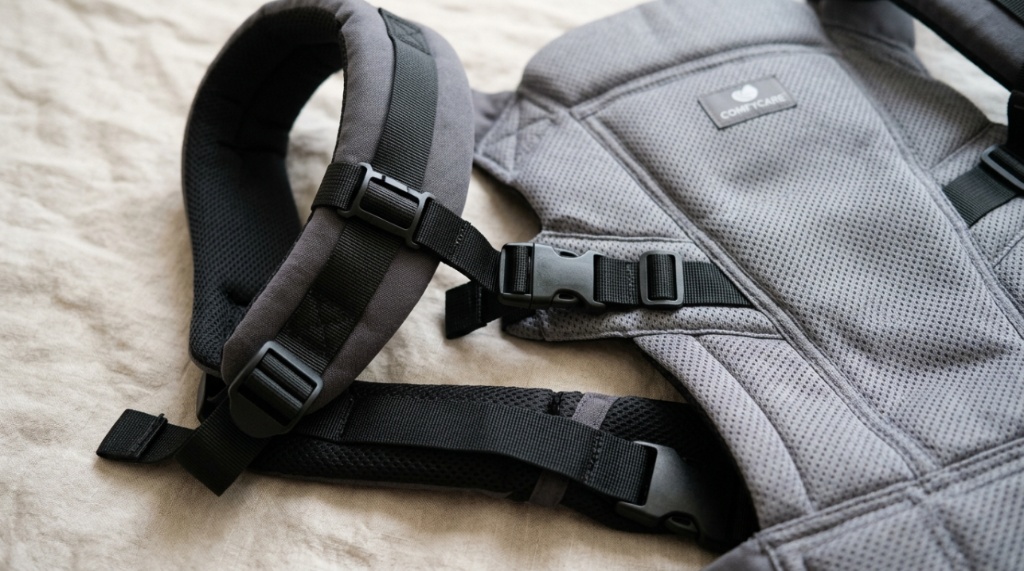
Thick, padded belts are useless if the material is stiff. Look for soft-structured carriers with breathable, woven fabric that bends with you. Moreover, check where the waist buckle sits. You want a buckle that sits off-center or on the side, allowing the belt to be tightened evenly without pressure points on the lower back.
A Quick Checklist for Plus-Size Compatibility
- Waist range: Must support at least 50-60 inches.
- Shoulder straps: Look for at least 20 inches of adjustable length.
- Seat width: Should adjust from narrow to wide for proper hip positioning.
- Fabric: Choose a sturdy yet soft weave (cotton, linen blends, or recycled polyester).
What Is the Realistic Price Range for a Quality Plus Size Carrier?
You can find a safe, durable, and comfortable plus-size carrier for between $80 and $150. While premium brands like Tula and Happy Baby can cost $200+, many budget-friendly alternatives, such as Lillebaby’s extended sizes or even some models from Infantino, offer comparable support without the luxury price tag.
Breaking Down the Cost: Why Some Are Cheaper (and Why That Matters)
A $50 carrier might seem like a steal, but check if the waist pad actually extends. Often, cheaper models simply add webbing to extend the belt but do not add cushioning in the right places. Conversely, a $120 carrier usually features a contoured lumbar pad and thicker shoulder straps, which are essential for distributing weight when you have a larger frame.
Where Does the Money Go in a Budget-Friendly Model?
When you pay less, you might sacrifice aesthetic colors or premium zippers, but you should never sacrifice the adjustability mechanism. Look for brands that invest in heavy-duty buckles (like those from Duraflex) and reinforced stitching at stress points. That is where the real “budget” value lies.
Pros and Cons of Low-Cost vs. Mid-Range Carriers
| Feature | Low-Cost ($40-$70) | Mid-Range ($80-$140) |
|---|---|---|
| Waist Padding | Thin, may roll down | Structured, contoured |
| Shoulder Straps | Narrow, less support | Wide, padded, adjustable |
| Fabric Breathability | Often synthetic, hot | Natural blends, cooler |
| Longevity | May wear out quickly | Lasts through toddler years |
Which Carrier Styles Are Best for Larger Bodies?
Not all carrier styles are created equal for plus-size parents. Wraps and ring slings are often the most forgiving and inexpensive options, while soft-structured carriers (SSCs) offer the best back support but require careful size checking. For newborns and toddlers alike, the answer depends on your daily routine.
Soft Structured Carriers (SSCs): The Go-To Choice
For errands, hiking, and everyday wear, an SSC is your best bet. Look for one with a wide, padded waist belt that fastens below the belly, not over it. The buckle should be easy to reach and adjust, allowing you to tighten the belt while the baby is seated correctly.
Wraps and Ring Slings: The Budget-Friendly Alternative
Woven wraps are incredibly malleable and can accommodate any body type because you tie them yourself. However, they have a steep learning curve. Ring slings are easier and cheaper (often under $60), but they put all weight on one shoulder, which can be problematic for those with back pain.
Meh Dai Carriers: The Best of Both Worlds
Meh Dais are a hybrid between a wrap and an SSC. They have a waist tie, but no heavy buckle, which helps distribute weight evenly. They also adjust easily to any waist size, making them a fantastic budget-friendly option for plus-size parents who want versatility without complex wrapping.
Where Can You Try Them On in Pennsylvania Before Buying?
While online reviews are helpful, trying on a carrier is vital to check the fit. Pennsylvania offers several specialized baby boutiques and brick-and-mortar stores where you can physically try the carrier properly, but if you’re on a budget, you need to know which stores allow testing without pressure to buy.
Baby Boutiques with Trained Staff in Philly and Pittsburgh
Stores like “Cloth Diaper Connection” in the Pittsburgh area and “Natural Behavior” in Lancaster often carry plus-size options and have staff who are trained in carrier fitting. However, their stock may not always include the cheapest models, so try on there, then shop online for used or discounted versions.
Big-Box Stores That Stock Extended Sizes
Target and Walmart occasionally carry Infantino’s “Sash Plus” or “Ergo” styles, but stock varies by district. A more reliable location is a Buy Buy Baby or a specialized children’s consignment store, such as “Once Upon a Child” in Scranton or Harrisburg, where you can find high-end carriers at a fraction of the cost.
The “Try First, Buy Used” Strategy
Visit a store near Reading or Allentown to test a specific model, feel the padding, and understand the adjustments. Then, search for that exact model on Facebook Marketplace or local “Buy Nothing” groups. This way, you get the correct fit without the sticker shock.
How to Test Comfort and Safety in an Affordable Carrier
Before committing to a purchase, you should test the “TICKS” safety criteria: Tight, In view at all times, Close enough to kiss, Keep chin off chest, and Supported back. In a store, load it with a weighted doll or a bag of flour to simulate your baby.
The 5-Minute Wear Test
Wear the carrier for at least five minutes in the store. Walk around, sit down, and reach for items on a high shelf. If you feel any point digging into your ribs, hips, or shoulders, that pressure will only worsen with a real baby. Move the straps and adjust the belt again.
Checking for Proper Lumbar Support
Fold a piece of firm cardboard and slide it behind your lower back while wearing the carrier. If the carrier’s pad does not also support that area, you will arch your back to compensate. Look for models with an extended lumbar pad that curves into the lower spine.
Adjusting for Your Belly and Bust
If the carrier has a “sleeping hood” or extra chest clip, ensure it doesn’t press on your chest. The chest strap should sit at your armpit level, not across your throat or down over your bust. Adjustable sternum straps are a must-have for larger busts,Choosing ergonomic gear ensures your infant develops proper posture and helps your baby walk faster without sacrificing safety as they grow.
When Is the Best Time to Buy to Get the Lowest Price?
Timing your purchase can save you 30-50% off retail prices. The best times are during Black Friday sales, Amazon Prime Day, and oddly enough, right after New Year’s when stores clear out fall inventory.
Seasonal Clearance Cycles
Carriers are often pushed as “summer” gear, so you’ll see discounts in late August. Also, check for clearance events around Baby Safety Awareness month (September). Smaller boutiques in PA often discount floor models to make room for winter clothing.
When to Buy Used vs. New
If you need a carrier for a newborn, buy new because of hygiene and buckle integrity. If your baby is already 6 months old, buy used. At that age, the carrier won’t be used as intensely, and you can save up to 60% on a barely-used Lillebaby or Tula.
Using Price Alert Tools
Set up a CamelCamelCamel alert for specific models like the “Lillebaby Complete Airflow” or “Ergo 360.” These tools track Amazon prices and notify you when the price drops below your set threshold. This turns a $160 carrier into a $100 purchase.
Can you find plus-size carriers at local PA consignment stores?
Absolutely, but you need to know what day new stock arrives. Many consignment stores in PA, like those in the Lehigh Valley or Erie, receive new shipments on Tuesdays or Wednesdays. Ask the staff to call you when a specific model comes in.
How to Inspect a Used Carrier’s Integrity
Check the webbing for fraying, especially around the buckles. Test the buckles to ensure they click securely and do not slip. Be wary of any sticky residue, which might indicate mold or old adhesive. Open all zippers and check the seams thoroughly.
What to Ask the Seller Before Buying
Ask why they are selling it. If they say “my baby didn’t like it,” that’s often a sign of a fitting issue, not a carrier defect. Ask if it was washed with fabric softener, which can break down the fibers and compromise safety.
Consignment Stores Worth Calling in PA
- Sweet Repeats (Mechanicsburg) – Great for mid-range brands.
- Little Red Hen (Pittsburgh) – often has Ergo and Beco.
- Jellybean Consignment (Doylestown) – High-end carriers at low prices.
How to Get a Free or Low-Cost Carrier Through Local Programs
Many community health centers and WIC programs in Pennsylvania have “baby gear libraries” where you can borrow carriers for a small deposit or even free. This is an overlooked resource for budget-conscious parents.
Pennsylvania Baby Gear Lending Libraries
Check with the “Maternity Care Coalition” in Philadelphia or the “Family Health Council” in Pittsburgh. They often have carrier rentals for $5 per month. This allows you to test a carrier long-term before committing to a purchase.
Nonprofit Car Seat and Carrier Recycling Programs
Some missions and churches in rural PA accept donated carriers, clean them, and give them away. While this isn’t consistent, it’s worth calling local organizations like “Crisis Pregnancy Centers” in Scranton or Altoona.
The Buy Nothing Project in Your Neighborhood
Join your local “Buy Nothing” Facebook group (e.g., “Buy Nothing Philadelphia – Roxborough”). Post that you are specifically looking for a plus-size carrier, and someone in your area might be decluttering theirs for free. You’d be surprised how often this works.
Which Budget Brands Offer the Best Plus-Size Range?
Some brands have clearly invested in inclusive sizing, offering extended waistbands without charging extra. Knowing these brands helps you skip the models that are missized and head straight to the shelves that work.
Infantino: The Ultimate Budget Option
The Infantino “Sash Plus” and “Flip 4-in-1” both have extended waist sizes up to 60 inches. They are often available for under $50 at Walmart or Target. While the padding is thinner, their adjustability is impressive for the price.
Lillebaby: The Mid-Range Champion
Lillebaby’s “Complete” series offers a lumbar support pad that curves with your spine. When you find these on sale (or used), they are often unbeatable for back relief. Their waist ranges go up to 58 inches without needing an extender.
Kinderpack: The Niche Favorite
Kinderpack makes carriers specifically with plus-size parents in mind, offering “Plus” versions with wider straps and taller back panels. They are often available in “Last Chance” sales or through Facebook groups for under $100.
How to Avoid Scams and Counterfeit Low-Cost Carriers
When searching for budget options, you will see suspiciously cheap carriers on sites like Wish or eBay. These are often counterfeit and have not passed safety standards, which are crucial for infant health. Protect your baby by knowing the red flags.
Signs of a Fake Carrier
Check the stitching: real brands use bar tacks at stress points, while fakes use simple straight stitches. Also, look for a label with washing instructions and a safety standard number (e.g., ASTM F2236). If missing, do not risk it.
Why you Should Avoid No-Name Brands
Unbranded carriers from third-party sellers often lack the buckle strength to hold a baby securely. The buckles can slip or break without warning. Remember that a carrier is a safety device, not just a fashion accessory.
The Smart Way to Buy on Facebook Marketplace
Meeting in a public place is fine, but ask for the original box or a receipt if possible. If the seller is a legitimate business, they will have proof of purchase. If they get defensive, walk away and search elsewhere.
Frequently Asked Questions
Can I use a regular carrier if I’m 3X and just need an extender?
While a waist extender can add inches, it doesn’t fix the problem of the carrier’s shoulder straps or seat width. Extenders are a temporary solution but often cause the carrier to feel unbalanced. It’s safer to buy a carrier that natively fits your size.
Are wraps safer than carriers for larger moms?
Wraps can be just as safe if tied correctly. The benefit is that you control the tension, avoiding pressure points. However, they require more practice to ensure the baby is high enough and the back is supported. Many prefer the structure of an SSC for daily use.
Do I really need a $200 carrier for good back support?
No, the price doesn’t guarantee support. Many mid-range carriers like the Lillebaby or even the Kirkland Signature carrier (Costco’s brand) offer excellent lumbar support at a budget price. Focus on features over the brand name.
Where can I get a carrier professionally fitted for free in PA?
The “Babywearing International” chapter in Philadelphia offers free meetings and lending libraries. Check their Facebook page for “Babywearing Meetings” where trained volunteers help you adjust your carrier for the perfect fit.
Is it safe to buy a used carrier?
Yes, if you inspect it thoroughly. You must check that the buckles are intact, the fabric is not sun-rotted (which makes it brittle), and there are no hidden tears. If everything passes, used is a fantastic way to save money.
When should I stop using a carrier due to my baby’s weight?
Most carriers have a weight limit between 35 and 45 pounds. For plus-size parents, the physical strain usually becomes noticeable before that limit. If you feel severe back strain despite a proper fit, it’s time to transition to a stroller or a backpack carrier for older kids.
Can I return a carrier if it doesn’t fit?
Most specialized baby stores have a 30-day return policy, but many online stores require you to pay return shipping. To avoid this, check the store’s policy before purchasing, and keep all packaging. Buying from Amazon Warehouse often allows easy returns.
Final Thoughts on Finding Your Perfect Fit
Your journey to find a budget plus-size baby carriers Pennsylvania involves more than just measuring your waist; it’s about understanding how weight transfers from your shoulders to your hips. By focusing on adjustability, lumbar support, and durable fabric, you can keep your baby close and your back pain-free. Start by testing a few models in your local stores, then use online marketplaces to score a deal. Remember, the best carrier is the one that fits your body, your baby, and your wallet. So, get out there and explore your options—you’ve got this!


