

A beginner surfer in Asbury Park spent $2,400 on gear in his first month—a premium board, a top-tier wetsuit, designer everything—then quit three weeks later when he realized he didn’t enjoy cold-water dawn patrols as much as he thought. Meanwhile, his buddy built a complete, functional kit for under $600, surfed all summer, and is still riding waves two years later. The lesson? Building affordable surfing gear isn’t about buying cheap junk — it’s about knowing which pieces deserve investment, which can be budget buys, and which surfing accessories you can skip entirely until you’re sure surfing is your thing. A smart budget surf kit prioritizes the gear that affects safety and progression (board, wetsuit, and leash) while economizing on convenience items that don’t impact your time in the water.
The surf industry generates $9.5 billion annually, and much of that revenue comes from convincing newcomers they need premium everything before catching their first wave. The truth, according to surf instructors across coastal communities, is that 80% of beginners overspend on gear they don’t need while underspending on the few items that actually matter. This guide breaks down exactly how to build a complete, functional surf kit on a realistic budget — covering the essentials, the worth-it upgrades, and the skippable extras. Whether you’re surfing the cold waters of New Jersey or warmer breaks, here’s how to assemble quality, affordable surfing gear without wasting money.
What Are the Essential Items in a Budget Surf Gear Kit?
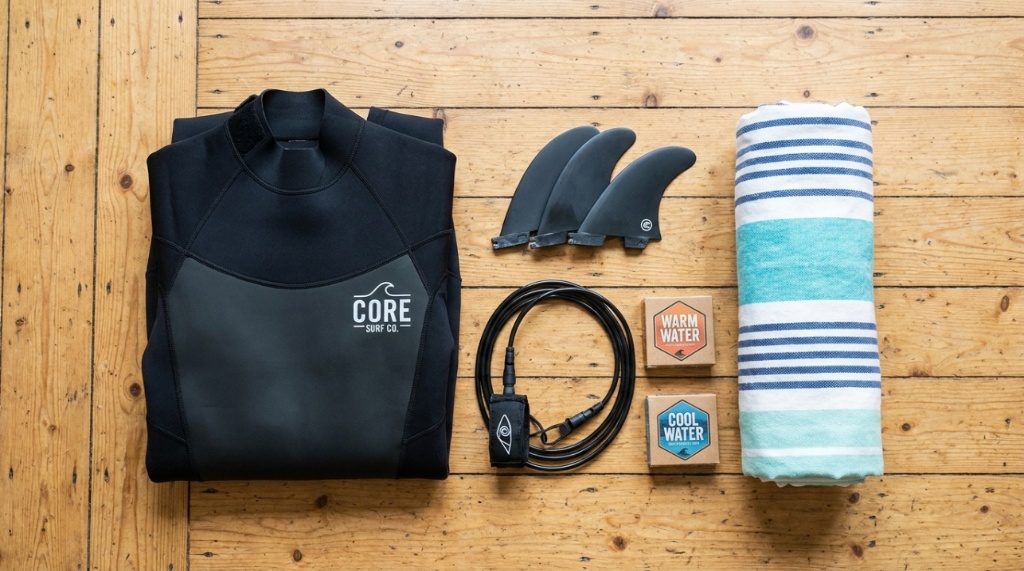
A complete budget surf kit requires five essentials: a surfboard, a wetsuit, a leash, wax (or traction pad), and a way to change/dry off—totaling $400–$700 for quality beginner gear that lasts multiple seasons.
The five non-negotiable essentials:
- Surfboard ($200–$400 used, $400–$600 new): The single most important purchase. A soft-top foam board for beginners or a used hard board for progressing surfers.
- Wetsuit ($100–$250): Essential in any water below 72°F. Thickness depends on your climate. The difference between enjoying surfing and being miserably cold.
- Leash ($20–$40): Connects you to your board. Safety-critical—prevents your board from hitting others and saves you swimming after it.
- Wax or traction pad ($5–$40): Provides grip on the board. Wax for most boards ($5–$10), traction pads for performance boards ($25–$40).
- Changing solution ($30–$60): A surf poncho or changing robe for getting in/out of your wetsuit at the beach. More essential than beginners realize.
How Much Should You Spend on a Beginner Surfboard?
Beginners should spend $200–$400 on a quality used board or soft-top, not $600+ on a performance shortboard. The board you learn on should be forgiving, stable, and cheap enough that dings don’t break your heart.
Board buying strategy by budget:
| Budget | Board Type | Best For | Pros | Cons |
|---|---|---|---|---|
| $150–$250 | Used soft-top (8’+) | Complete beginners | Stable, safe, forgiving | Slow, less maneuverable |
| $250–$400 | Used funboard (7–8′) | Progressing beginners | Versatile, easier to turn | Less stable than soft-top |
| $300–$500 | New soft-top (Wavestorm, Catch Surf) | Beginners wanting new | Durable, warranty, reliable | Outgrow within a season |
| $400–$600 | Used longboard (9’+) | Cruising, small waves | Catches everything, classic | Heavy, hard to transport |
The smart beginner move: buy a used soft-top or funboard for $200–$300, learn on it for a season, then sell it for nearly what you paid (foam boards hold value well) and upgrade once you know your preferences. Never buy a performance shortboard as your first board — you’ll struggle and progress slower.
How Do You Choose an Affordable Wetsuit That Actually Works?
Choose wetsuit thickness based on water temperature, prioritize fit over brand, and buy last season’s models or used suits in good condition to save 40–60% without sacrificing warmth or function.
Wetsuit thickness by water temperature:
- 72°F+ (warm): Spring suit (2mm) or boardshorts/rashguard. $40–$100.
- 65–72°F (cool): 3/2mm full suit. The most versatile choice. $100–$200.
- 58–65°F (cold): 4/3mm full suit with sealed seams. $150–$250.
- 50–58°F (very cold, NJ winter/spring): 5/4mm suit + boots, gloves, hood. $200–$350 for suit alone.
- Below 50°F (frigid): 6/5mm suit + full accessories. For dedicated cold-water surfers only.
Money-saving wetsuit tips:
- Buy previous-season models (40–50% off when new colors release)
- Check used suits at surf shops and online (inspect seams and zippers carefully)
- Fit matters more than brand—a well-fitting budget suit outperforms a loose premium suit
- Avoid the cheapest no-name suits—poor seams cause flushing (cold water entry) that ruins sessions
Which Surf Accessories Are Worth Buying and Which Can You Skip?
Worth buying: leash, wax, a changing poncho, and a board bag for transport. Skip for now premium fins, multiple boards, electronic gadgets, and expensive branded apparel until you’re committed to the sport.
Worth the investment:
- Quality leash ($25–$40): Safety item. Don’t cheap out—a snapped leash means a lost board and danger to others.
- Surf poncho/changing robe ($30–$60): Makes beach changing dignified and warm. Used every single session.
- Board bag ($40–$80): Protects your board during transport and storage. Prevents dings that degrade performance.
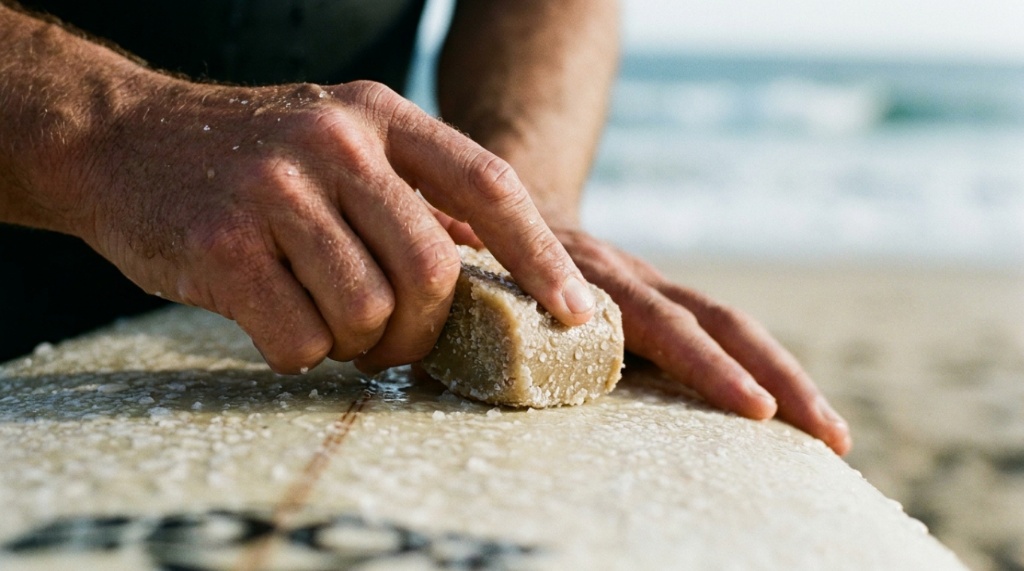
- Wax + wax comb ($10): Essential grip. Different wax for different water temperatures.
- Earplugs ($15–$30): Prevent surfer’s ear (exostosis)—a real condition from cold water/wind exposure. Cheap insurance.
Skip until committed:
- Premium aftermarket fins ($100–$150) — stock fins work fine for beginners
- Multiple boards—master one before expanding your quiver
- GPS surf watches ($300+) — unnecessary for learning
- Designer surf apparel — function over fashion while learning
- Roof rack systems ($200+) — soft racks ($30) work fine initially
How Do You Save Money on Surf Gear Without Buying Junk?
Buy used for big-ticket items (board and wetsuit), buy new for safety items (leash), shop end-of-season sales, and join local surf communities where members sell quality used gear at fair prices.
Money-saving strategies that work:
- Buy used boards from surf shops: They inspect and often repair used boards before selling. Safer than random online purchases.
- End-of-season wetsuit sales: Buy your winter suit in spring and summer suit in fall. Save 40–60%.
- Facebook surf groups and Marketplace: Local surfers constantly sell gear as they upgrade. Inspect in person.
- Surf shop rental-to-own: Some shops apply rental fees toward purchase. Try before you commit.
- Package deals: Many shops offer beginner packages (board + leash + wax) at a discount vs. buying separately.
- Off-brand essentials: Wax, leashes, and changing ponchos work fine in budget versions. Save premium spending for board and wetsuit.
What’s the Total Cost to Get Started Surfing on a Budget?
A complete functional beginner surf kit costs $400–$700 when buying smart—significantly less than the $1,500–$2,500 that retailers suggest for “complete” setups loaded with unnecessary premium gear.
Sample budget breakdown:
- Used soft-top board: $200
- Previous-season 3/2mm wetsuit: $120
- Leash (new): $30
- Wax + comb: $10
- Surf poncho/changing robe: $40
- Soft roof rack: $30
- Ear plugs: $20
- Total: $450
Premium “complete” kit comparison (what retailers suggest):
- New performance board: $600
- Premium wetsuit: $300
- Designer accessories and apparel: $400
- Roof rack system: $250
- Gadgets and extras: $300
- Total: $1,850
The budget kit gets you in the water with quality, functional gear. The premium kit gets you the same surfing experience for 4x the cost. Build smart, surf more, and upgrade later when you know your preferences.
How Do You Maintain Budget Surf Gear to Make It Last?
Rinse everything with fresh water after each session, dry gear in shade (not direct sun), store boards out of heat, and address wetsuit and board damage immediately before it worsens.
Maintenance by item:
- Wetsuit: Rinse in fresh water after every session. Dry inside-out in shade. Never machine wash or dry. Use wetsuit shampoo monthly. Store on a wide hanger, not folded. Proper care doubles lifespan from 2 to 4+ years.
- Surfboard: Rinse off salt and sand. Store out of direct sun (heat delaminates the board). Repair dings immediately with a ding repair kit ($15) before water enters the foam core.
- Leash: Rinse and check the cord and rail saver for wear. Replace if the cord shows cracks — a critical safety item.
- Changing poncho: Machine washable. Rinse sand off before washing. Air dry. Lasts years with basic care.
- Wax: Remove and re-wax when it gets dirty or loses grip. Use a wax comb to refresh texture between full re-waxing.
When you are hunting for budget-friendly surf gear, versatility is key, especially if you brave colder breaks. While a solid 4/3mm wetsuit and heavy-duty neoprene booties will protect you in the ocean, intense cold-weather environments demand specialized protection for your hands. If your outdoor adventures take you out of the surf and onto frozen waters, finding the Right Fishing Gloves for Alaska’s Harsh Weather is just as critical as choosing the right surfboard wax. Investing in the proper gear for every climate ensures you stay warm, safe, and ready to perform without breaking the bank.
Conclusion
Building the perfect surf gear kit on a budget comes down to one principle: invest where it matters (board, wetsuit, safety) and economize where it doesn’t (gadgets, premium apparel, redundant gear). A smart $450–$700 kit gets you quality, functional equipment that performs as well as setups costing three times more — because the expensive extras don’t actually make you a better surfer or keep you safer in the water.
Start with the five essentials, buy used for big-ticket items, shop end-of-season sales, and resist the pressure to buy premium everything before you know you love the sport. Maintain your gear properly and it’ll last multiple seasons. Once you’re committed and understand your preferences, upgrade strategically. The best surf kit isn’t the most expensive one — it’s the one that gets you in the water consistently without emptying your wallet.
What’s your local water temperature and experience level? Share in the comments — I’ll help you build a specific budget kit tailored to your conditions and skill.
Frequently Asked Questions
How much does it cost to start surfing?
A complete budget surf kit costs $400–$700 when buying smart (used board, previous-season wetsuit, essential accessories). This is significantly less than the $1,500–$2,500 premium setups retailers recommend. The budget kit provides the same surfing experience with quality, functional gear.
What surf gear should beginners buy first?
Buy these five essentials first: a stable soft-top or funboard, a properly fitting wetsuit for your water temperature, a quality leash, wax or traction, and a changing poncho. Skip premium fins, multiple boards, and gadgets until you’re committed to the sport.
Is it worth buying used surf gear?
Yes for boards and wetsuits (40–60% savings), but inspect carefully. Buy used boards from surf shops that repair and verify them. Check used wetsuits for seam integrity and working zippers. Always buy leashes new—they’re safety-critical and inexpensive.
What’s the cheapest way to learn surfing?
Rent gear for your first few sessions to confirm you enjoy surfing, then buy a used soft-top board ($150–$250) and previous-season wetsuit. Take a group lesson or two ($40–$80) for fundamentals, then practice independently. Total entry cost can stay under $400.
Do I need an expensive wetsuit to stay warm?
No. Fit matters more than brand or price. A well-fitting previous-season wetsuit in the correct thickness for your water temperature keeps you just as warm as a premium suit. Avoid only the cheapest no-name suits, which have poor seams that cause cold-water flushing.
How long does budget surf gear last?
With proper care, wetsuits last 3–4 years, soft-top boards last 3–5 years, and leashes last 1–2 years (safety item, replace when worn). Rinsing with fresh water after every session and drying in shade dramatically extends the life of all surf gear.
What surf accessories are a waste of money for beginners?
Premium aftermarket fins, GPS surf watches, multiple boards, designer surf apparel, and expensive roof rack systems are unnecessary for beginners. Stock fins work fine; soft roof racks cost $30 vs. $250 for hard systems, and your skill—not your gear—determines your progress.