

How Much Does Helmet Weight Actually Affect Long-Ride Comfort?
The physics are simple, but the impact is larger than most riders expect:
Leverage multiplication: Your head sits approximately 30 cm above your shoulders. Any weight on top of your head creates a lever arm — the force your neck muscles must counteract is amplified by that distance. A 100g weight savings at helmet level reduces neck muscle loading by more than 100g of effective force because of this leverage effect.
Cumulative fatigue: Neck muscles supporting a heavier helmet work slightly harder with every head movement. Over 3-5 hours of riding (constant looking up, down, left, and right for trail reading), that small additional load accumulates into significant muscle fatigue. Studies on motorcycle helmets show that even 50g of additional weight increases perceived fatigue by 12-18% over multi-hour sessions.
Late-ride performance impact: When neck muscles fatigue, riders unconsciously restrict head movement to reduce load. This means less trail scanning, slower reactions to obstacles, and reduced situational awareness—exactly when fatigue-related crashes are most likely. A lighter helmet maintains full-range head movement deeper into the ride.
The threshold difference: Most riders report noticeable comfort improvement when moving from 320g+ to under 280g. Below 260 g, helmets feel nearly “forgotten”—you stop being aware of weight on your head entirely. The sweet spot for meaningful improvement without extreme cost is 250-290g.
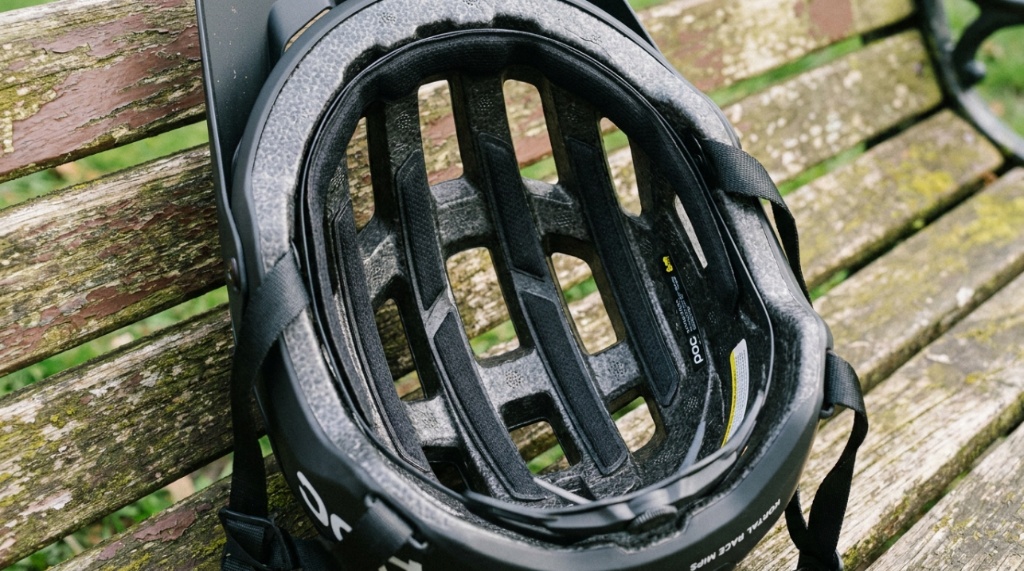
What Makes a Mountain Bike Helmet Lightweight?
Weight savings come from specific design and material choices—each with trade-offs:
In-Mold Construction (Standard for Lightweight)
The polycarbonate shell is fused directly to the EPS foam during manufacturing, eliminating separate glue layers and reducing material overlap. This saves 30-60g compared to separate shell+foam assemblies while maintaining (or improving) structural integrity. Virtually all lightweight helmets use in-mold construction.
Optimized EPS Density
Rather than uniform-density foam throughout, lightweight helmets use variable-density EPS — denser in high-impact zones and lighter in lower-risk areas. Computer modeling identifies exactly where material is needed for protection and removes it where it isn’t. This provides equivalent protection with less total material.
Larger Ventilation Openings
More (and larger) vents mean less material in the shell and less EPS foam behind those vents. There’s a direct relationship between ventilation and weight—a well-vented helmet is inherently lighter. The trade-off: less material means slightly less coverage area, which manufacturers offset with strategic placement.
Advanced Shell Materials
Carbon fiber reinforcement in strategic zones allows thinner polycarbonate everywhere else while maintaining structural requirements. Full carbon shells (rare and expensive) save significant weight but at a premium cost. Newer polymer blends also achieve strength at lower weight than traditional polycarbonate.
Minimalist Retention Systems
Ultralight helmets use thinner, lighter webbing for straps and smaller, more efficient adjustment mechanisms. Some replace traditional rear dials with tension-band systems that save 15-25g. The trade-off can be slightly less adjustability or less “premium” feel.
| Weight Savings Method | Typical Weight Saved | Cost Premium | Protection Trade-off |
|---|---|---|---|
| In-mold construction | 30-60g | Low ($10-20) | None (often improved) |
| Variable-density EPS | 20-40g | Moderate ($20-50) | None (computer-optimized) |
| Larger vents | 15-30g | Low | Slightly less coverage area |
| Carbon fiber reinforcement | 20-50g | High ($80-150) | None |
| Minimal retention system | 15-25g | Low | Slightly less adjustability |
| Thinner pads/liners | 10-20g | Low | Slightly less cushion comfort |
Which Lightweight Mountain Bike Helmets Lead the Market in 2026?
Top picks ranked by weight-to-protection ratio:
Specialized Ambush 2 MIPS — 280g (Size M) — $250-300
Trail-specific coverage with aggressive weight savings. ANGi crash detection compatible, MIPS integrated, 18 vents with internal channeling. The weight-to-coverage ratio is exceptional — extended rear protection at a weight that rivals XC-only helmets. Best for: long trail rides where you want both protection and all-day comfort.
Giro Manifest Spherical MIPS — 270g (Size M) — $250-280
Spherical MIPS technology (two-shell slip-plane system) integrated into an incredibly lightweight package. Deep coverage, excellent ventilation, and one of the best fit systems in the category. Best for: riders who want maximum technology in minimum weight.
POC Kortal Race MIPS — 310g (Size M) — $220-260
Slightly heavier than true ultralight options but compensates with exceptional coverage depth and premium MIPS implementation. Aramid bridge reinforcement adds strength without significant weight. Best for: riders who prioritize coverage over absolute minimum weight.
Troy Lee Designs A3 MIPS — 330g (Size M) — $200-250
The heaviest on this list but included because its extended coverage and exceptional ventilation (18 vents) make it feel lighter than the number suggests. Airflow keeps your head cool, reducing perceived weight through thermal comfort. Best for: hot-climate riders who need deep enduro coverage.
Smith Forefront 2 MIPS — 290g (Size M) — $200-250
Koroyd material replaces portions of EPS foam—lighter, better ventilated, and equally protective. Integrated MIPS and extended coverage. The Koroyd sections create visible honeycomb structures that channel airflow directly through the helmet rather than over it. Best for: riders who want both lightweight and maximum airflow.
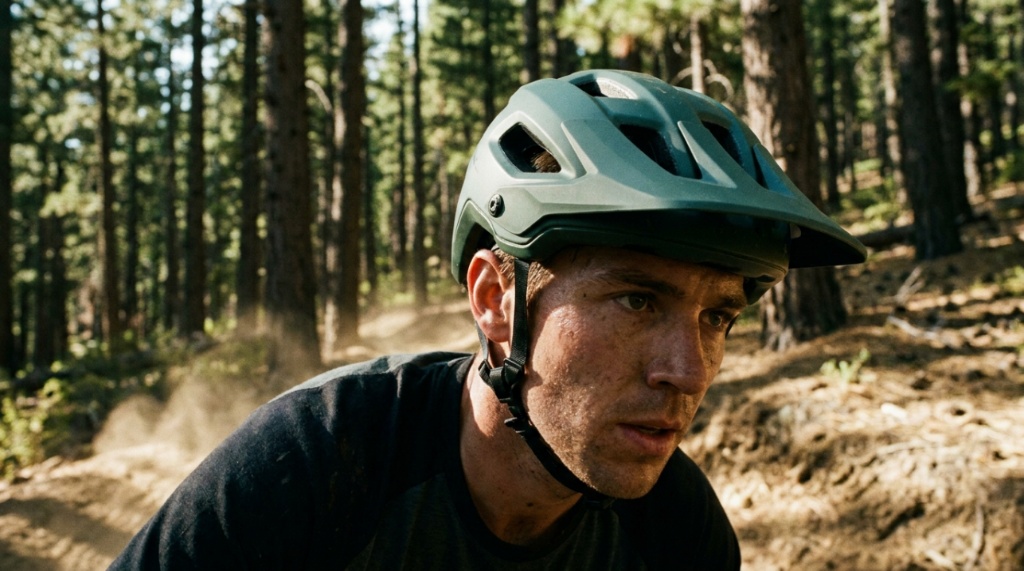
Does Lighter Always Mean Less Safe?
This is the critical question—and the answer may surprise you:
Not necessarily. Weight savings through smarter design (variable-density EPS, in-mold construction, and larger vents in low-risk zones) maintain or even improve protection while reducing weight. A 260g helmet using optimized foam and strategic shell reinforcement can score identically to a 340g helmet in Virginia Tech testing.
Where weight savings CAN reduce protection: When manufacturers simply use less material everywhere without compensation—thinner foam, smaller shells, less coverage area. Cheap “lightweight” helmets that achieve low weight by using less protective material are genuinely less safe.
How to verify: Check Virginia Tech STAR ratings. Lightweight helmets scoring 4-5 stars provide equivalent protection to heavier alternatives regardless of weight. A 5-star, 270g helmet is safer than a 3-star, 350g helmet—weight and protection are not always correlated.
The honest trade-off: Where weight savings do slightly compromise protection is the coverage area. Ultralight helmets sometimes have slightly less temporal (side) and occipital (rear) coverage to save material. For XC racing where aerodynamic considerations matter and crash energies are lower, this is acceptable. For enduro riding with higher-speed crash potential, prioritize extended-coverage lightweight options. Balancing a passion for outdoor adventure with family life can be incredibly rewarding. If you love exploring trails on two wheels and want to share that love of discovery with your kids, planning the right trip makes all the difference. Once you have your gear sorted, check out our guide on the 5 top destinations with children to find your next unforgettable family getaway.
What Helmet Comfort Factors Matter Beyond Just Weight?
Weight is the headline number, but overall helmet comfort for long rides depends on multiple factors working together:
Ventilation effectiveness: A slightly heavier helmet with superior airflow often feels more comfortable over 4 hours than an ultralight helmet with restricted venting. Overheating creates fatigue faster than weight does in hot conditions. Look for large intake vents at the front, exhaust vents at the rear, and internal channels connecting them.
Fit stability: A helmet that requires constant micro-adjustment because it shifts during riding creates repetitive annoyance that compounds over hours. Quality retention systems that hold position firmly without hotspots contribute more to long-ride comfort than saving 10 additional grams.
Pad moisture management: After 2 hours of sweating, pad materials that absorb and hold moisture create a heavy, uncomfortable helmet regardless of starting weight. Quick-wicking, quick-drying pad materials maintain comfort much longer. Removable, washable pads are essential for multi-day riding or frequent use.
Clamping force distribution: Light helmets with aggressive clamping force create headaches. The best lightweight helmets achieve security through cradle-style retention systems that distribute holding force evenly rather than concentrating it in pressure points.
Visor adjustability: On long rides with changing sun angles, a visor that adjusts easily (tool-free, one-hand operation) prevents squinting fatigue. Fixed visors work but can’t adapt to low-angle morning or evening sun on extended rides.
How Should You Prioritize Comfort Features for Your Specific Long Rides?
Different ride types demand different comfort priorities:
Hot climate epic rides (3-6 hours, 80°F+): Ventilation > Weight > Fit stability. Overheating is your primary enemy. Choose maximum vents even if it adds 20-30g.
Cool climate long rides (3-6 hours, 50-70°F): Weight > Fit stability > Ventilation. Less heat stress means less need for extreme airflow. Prioritize pure, lightweight, secure, and comfortable retention.
Bikepacking/multi-day: Pad comfort > Weight > Ventilation. You’ll wear this for 6-10 hours across multiple days. Pad quality and moisture management prevent skin irritation and odor buildup over multi-day use.
XC racing (2-4 hours, high intensity): Weight > Ventilation > Everything else. Every gram matters at race pace. Aerodynamics may also factor—lower-profile lightweight designs create less drag at speed.
For riders comparing options for long-distance comfort in mountain terrain, this resource on the best mountain bike helmet picks covers models specifically evaluated for extended ride comfort and trail performance.
What’s the Lightest You Can Go Without Compromising Mountain Bike Safety?
Practical weight floors for different mountain biking categories:
XC/Trail (half-shell): 230-250g is the current floor for helmets with MIPS and adequate coverage. Below 230g, you’re likely sacrificing either rotational protection or coverage area. The 250-280g range offers the best balance of lightweight and full trail protection.
Enduro (extended coverage half-shell): 280-320g is realistic for helmets with deep temporal/occipital coverage and MIPS. Below 280g with full enduro coverage requires premium materials (carbon reinforcement) at premium prices.
Full-face (DH/enduro): 650-800 g for lightweight full-face with MIPS. Below 700g is exceptional. The Fox Proframe RS MIPS achieves approximately 750g — remarkable for full-face protection.
The honest floor: Don’t chase weight below your category’s safety floor. A 200g XC helmet exists but lacks the coverage and protection density needed for mountain biking. The lightest helmet that’s truly safe for your riding style is the lightest you should go—not the lightest the market offers.
How Do You Maintain a Lightweight Helmet to Preserve Performance?
Lighter helmets sometimes use thinner materials—making maintenance slightly more important:
- Store carefully: Thinner shells are more susceptible to point-load damage from stacking. Use a dedicated shelf or hook — never pile gear on top of your helmet.
- Clean pads frequently: Lightweight pads absorb less moisture before saturation. Rinse after every sweaty ride and deep-clean weekly during heavy use periods. This maintains both comfort and pad weight (waterlogged pads add significant perceived weight).
- Inspect regularly for thin-spot damage: Where weight was removed (thinner sections around vents), damage from even minor impacts is more likely. Check these areas monthly for cracks or soft spots.
- Protect from UV diligently: Thinner polycarbonate shells degrade faster from UV than thicker ones do. Never leave lightweight helmets in direct sunlight during storage. A helmet bag or indoor storage adds meaningful lifespan.
- Handle the visor gently: Lightweight visors use thinner materials that snap more easily than standard-thickness designs. Remove/adjust carefully.
FAQ
Is a lightweight mountain bike helmet worth the price premium over standard weight?
For rides over 2 hours: yes, measurably. The neck fatigue reduction and improved late-ride focus justify the $50-100 premium for regular long-ride cyclists. For sub-90-minute rides, the weight difference is barely noticeable in practice. Match your spending to your ride duration—the longer you ride, the more weight savings pays back in comfort.
Can a 250g helmet protect as well as a 350g helmet?
Yes—if the weight savings come from smarter design rather than less material. Check Virginia Tech ratings: many sub-280g helmets score 4-5 stars, matching or beating heavier alternatives. Weight alone doesn’t indicate protection level. What matters is how and where material is used, not how much total material exists.
Do lightweight helmets break more easily in crashes?
They’re designed to break in crashes—that’s how EPS absorption works (controlled crushing). The question is whether they absorb adequate energy during that crush. Properly designed lightweight helmets pass the same certification impact tests as heavier ones. However, thinner shells may sustain more cosmetic damage from minor bumps that wouldn’t affect heavier helmets. The structural protection in a real crash is equivalent.
What weight should I target for all-day mountain biking?
260-300g for trail/all-mountain riding provides the ideal comfort-protection balance for rides of 3-6+ hours. Below 260g is XC-race territory with potential coverage compromises. Above 300g, you’re carrying weight that could be saved without sacrificing safety. The 270-290g sweet spot is where most riders find the best all-day experience.
Does MIPS add significant weight to lightweight helmets?
MIPS adds approximately 20-30 grams. On a 270g helmet, that’s an 8-11% increase — noticeable on a scale but imperceptible while riding. No serious lightweight helmet in 2026 skips MIPS to save those grams. The protection benefit vastly outweighs the trivial weight penalty. Never choose a non-MIPS helmet over a MIPS helmet solely for weight savings.
Are expensive ultralight helmets more fragile for daily trail riding?
Slightly — but not problematically. Thinner shells show scratches and surface damage more readily from branch strikes and minor handling bumps. The protective foam underneath isn’t compromised by cosmetic damage. If pristine appearance matters to you, a midweight helmet stays “looking new” longer. If performance matters more than aesthetics, lightweight helmets perform just as reliably ride after ride.
How do I test helmet comfort before a long ride?
Wear the helmet around your house for 30-60 minutes. Pressure points, hotspots, and fit issues that are invisible in a 2-minute store try-on become obvious over longer wear. If you notice any discomfort during this home test, that discomfort will amplify 5-10x over a 4-hour ride. Return and try a different option.


