What Happens When Multiple Insurance Policies Apply to a Bicycle Accident in Madison AL?

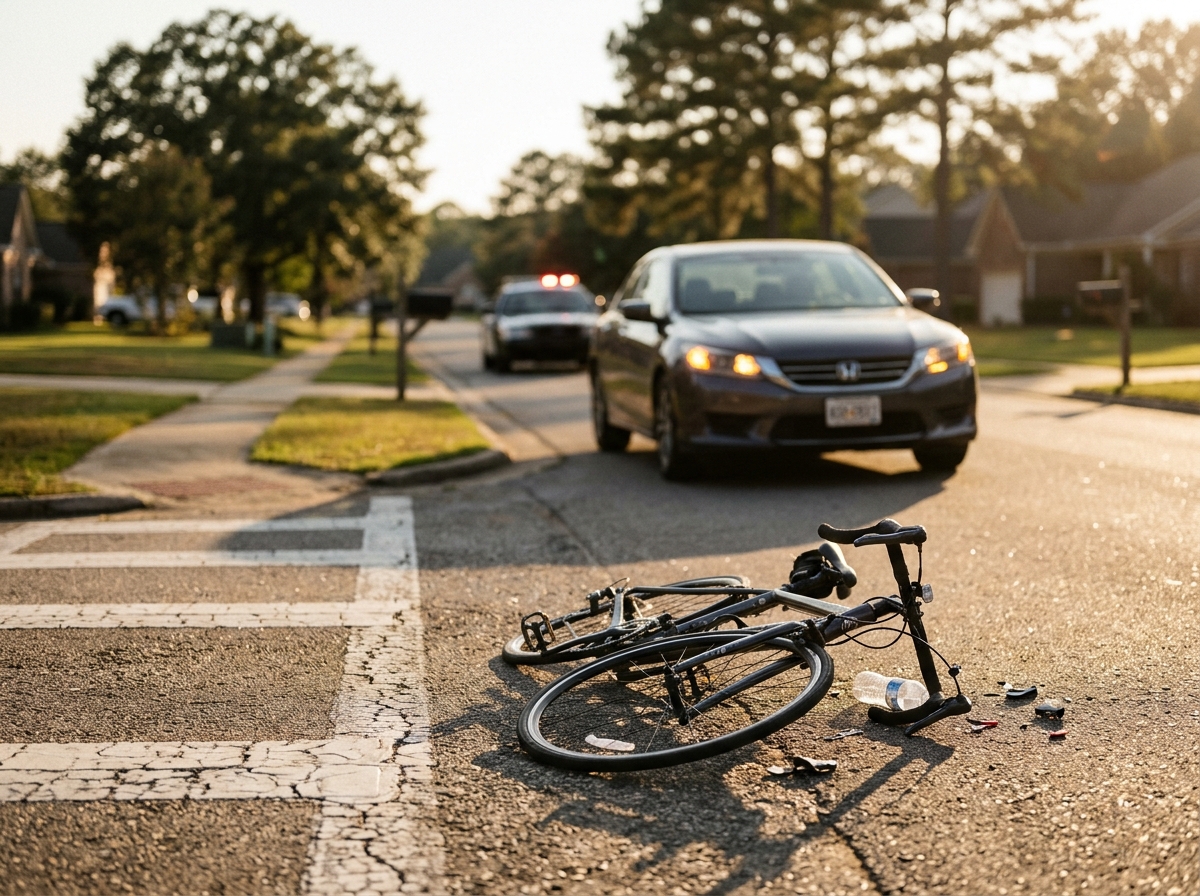
A rider gets hit, and suddenly three different insurers are involved, each with its own rules and its own reasons to pay less. Coverage fights can stall a case longer than the injury itself. Knowing which policies might apply gives an injured cyclist a clear picture of where the money could come from.

Which Policies Can Come Into Play After a Crash?

The at-fault driver’s liability policy is the usual starting point, and it pays for harm the driver caused. Beyond that, the rider’s own auto insurance may help even when no car was involved on the rider’s side, because uninsured and underinsured motorist coverage often follows the person, not the vehicle. Health insurance covers treatment bills up front, and medical payments coverage on an auto policy may pitch in for smaller costs. Homeowners or renters policies sometimes cover damaged gear, depending on the wording.

Commercial policies add another layer. A delivery driver, rideshare worker, or company vehicle brings the employer’s insurance into the picture, and those limits are often much higher than a personal policy.

What If the Driver’s Coverage Runs Out Too Soon?

Minimum limits in Alabama are low compared with the cost of a serious bicycle injury. A broken pelvis or a brain injury can easily blow past the driver’s cap. Underinsured motorist coverage on the rider’s own policy can fill part of that gap, though insurers often ask for proof that the other policy has been fully used first. Some riders have this coverage and never realize it, since it hides in the fine print of a family auto policy.

Does Health Insurance Get Paid Back?

Often, yes. Insurers that cover treatment may demand repayment from a settlement, a right called subrogation. Medicare, Medicaid, and employer plans can claim part of the payout, and some carry strict rules and deadlines. Ignoring a lien letter can cause trouble later, sometimes even delaying the release of funds. Reductions are frequently negotiable, which can put more money in the rider’s pocket.

Why Do Insurers Point Fingers at Each Other?

Each company wants the other to pay. One carrier says the property owner caused the hazard, the next says the driver was careless, and a third questions the rider’s behavior. Alabama follows contributory negligence, so a small share of blame on the cyclist gives every adjuster an easy reason to deny a bicycle accident claim outright. That tug of war drags out timelines and wears people down until a low offer starts to look appealing.

How Does Order of Payment Work?

Coverage usually stacks in a set sequence, not all at once. Primary policies pay first, and excess or umbrella policies kick in only after those limits are spent. Policy language decides what counts as primary, and small wording differences can shift thousands of dollars. Signing a release too early can cut off access to the later layers, so a rider who accepts the first payout may lose the chance to claim the rest.

When Is It Smart to Bring in a Lawyer?

Cases with more than one insurer, serious injuries, or a disputed version of events benefit from early help. A bicycle accident attorney can request every policy in play, track down hidden coverage, and negotiate liens so more of the settlement stays with the client. A bicycle accident lawyer in Madison AL also understands how local carriers handle coverage disputes and how contributory negligence arguments tend to be used against riders. The Lackey Law Firm helps cyclists hurt by careless drivers, unsafe roads, and defective equipment, and its team can review every available policy, sort out who owes what, and handle the back and forth with insurers while the injured rider focuses on healing.
How to Choose the Right Saw for Pruning Trees and Shrubs

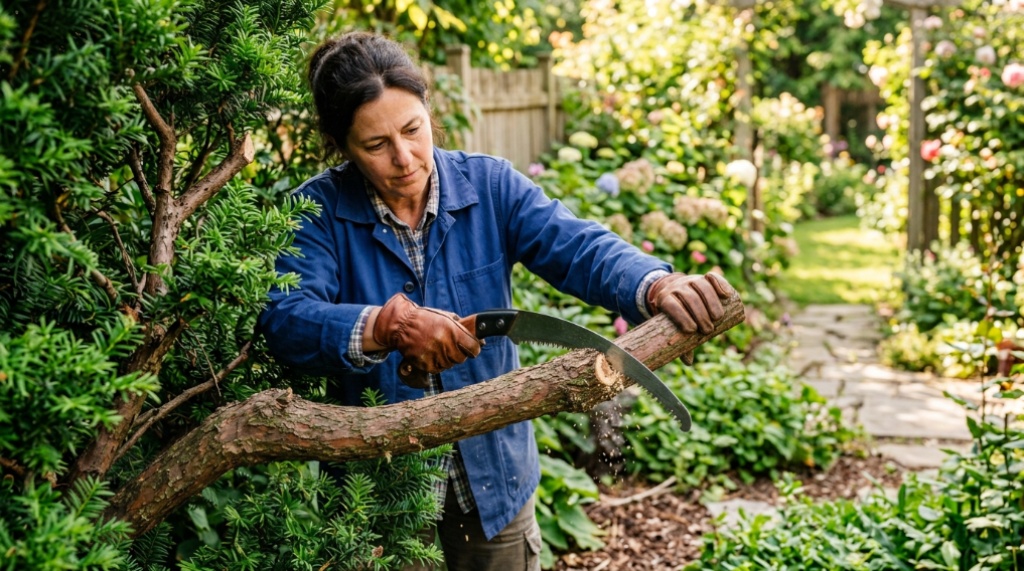
The wrong pruning saw turns a ten-minute cleanup into an afternoon of frustration. You either fight a dull blade through every branch, or you grab a tool so heavy your forearm gives out before the hedge is halfway done. Most homeowners eventually realize that a lightweight battery powered pruning saw for yard work hits the sweet spot between reach, power, and fatigue-free control. But battery saws are not the only option, and picking the wrong style for your branches wastes money. Here is how to match the saw to the job.

How to Find the Right BMX Saddle for You

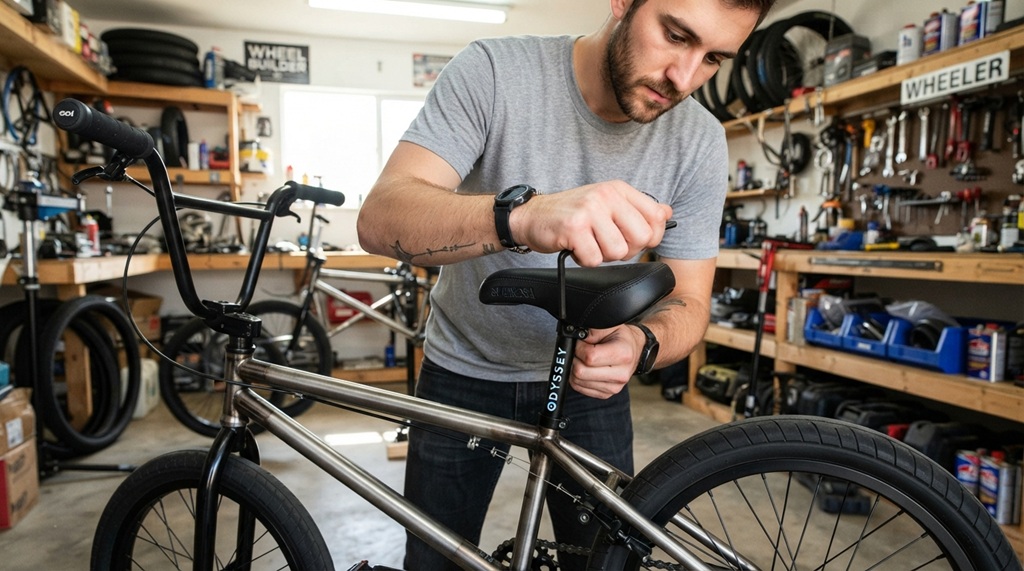
Your BMX saddle is where you and your bike connect—and if that connection is uncomfortable, nothing else matters. Whether you’re hammering laps at the skatepark, cruising the streets, or slogging through a trail race, the wrong seat can turn a great session into a painful one. Yet most riders treat the saddle as an afterthought. The truth is that finding the right BMX saddle isn’t just about looks; it’s about matching your riding style, body mechanics, and personal preference to a component that can genuinely make or break your experience.

How to Upgrade to a Rolling Baseball Bag Like a Pro

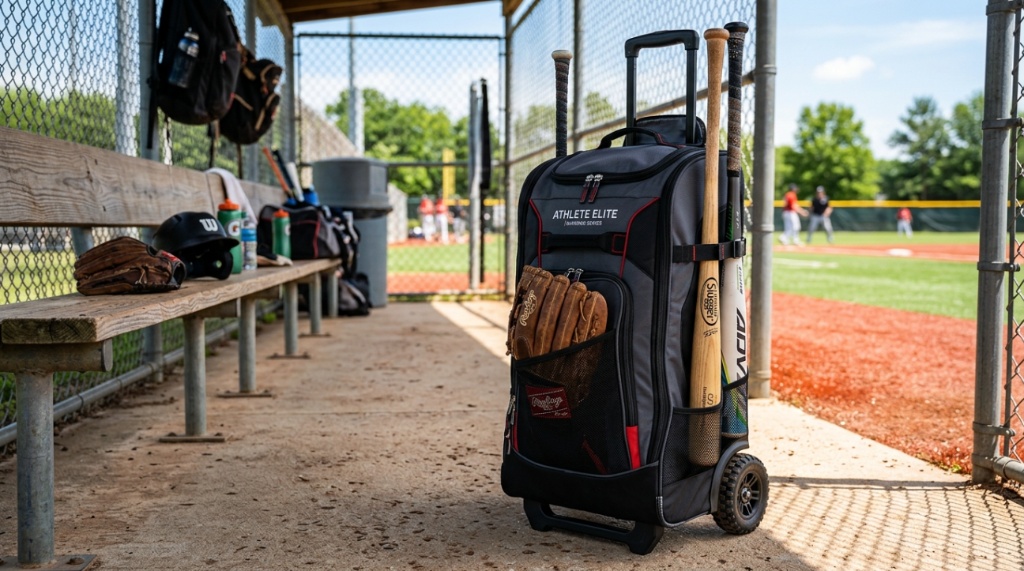
If you’re still lugging a duffel over one shoulder while carrying a bucket of balls in the other, you already know the struggle. The weight shifts, your neck starts to ache, and by the time you reach the dugout, you’re already drained before warmups even begin. That’s why so many players at every level decide to upgrade to rolling baseball bag—and once you do, you’ll wonder why you waited so long. This guide walks you through everything you need to know: what to look for, how to choose the right size, which features actually matter, and how to avoid the common mistakes that lead to wasted money and broken wheels.

How to Select a Beach Cart for Soft Florida Sand

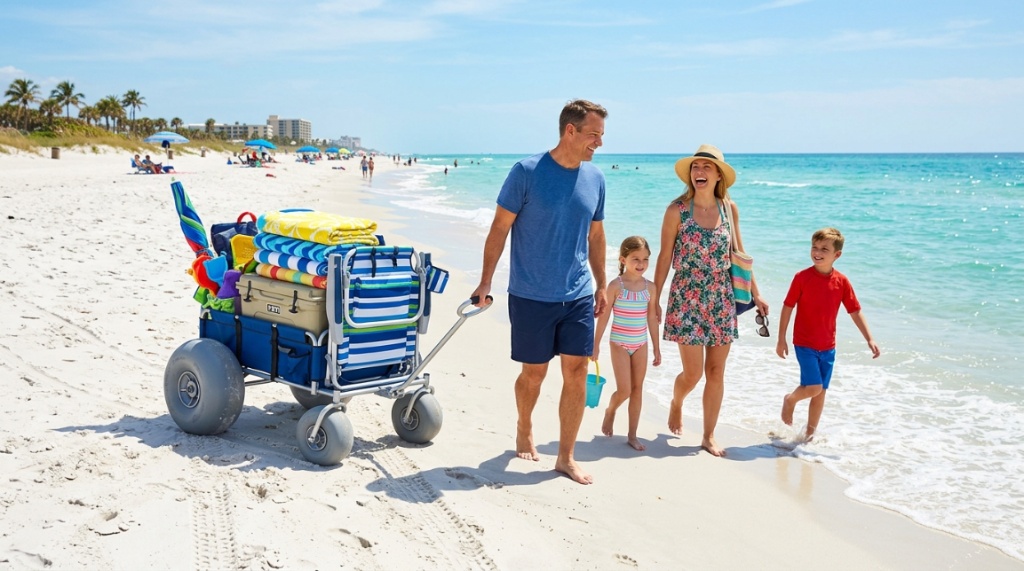
You’ve finally made it to the beach. The sun is out, the water is warm, and you’re ready to relax. But then comes the reality of hauling your cooler, chairs, umbrella, and beach bag across a wide stretch of powdery, soft Florida sand. A standard wagon with plastic wheels sinks immediately, leaving you stuck and frustrated before you’ve even set up your spot. The solution is a specialized beach cart for soft florida sand, but not all carts are created equal. This guide breaks down exactly what to look for, how to avoid common mistakes, and how to choose a cart that will glide over the sand rather than dig into it.

How to Reduce Snoring with Cervical Pillows

That telltale rumble isn’t just a nuisance—it’s a sign that your airway is partially blocked while you sleep. Snoring disrupts your rest, damages relationships, and often signals an underlying issue with posture and breathing. If you’re tired of waking up exhausted, the culprit might not be your sinuses or weight—it could be the angle of your neck. The right head and neck support can dramatically open your airway, and a medically-designed cervical pillow for snoring addresses this problem at its physical root. This guide shares exactly how these ergonomic pillows work, what features matter most, and how to adapt to one for quieter, deeper sleep.

How to Compare Affordable Stand Up Paddleboards

You finally decided to buy a paddleboard, but the price tags are all over the place. Some boards cost more than a used car, while others seem suspiciously cheap. The problem is real: how do you know which affordable option will actually hold up on the water without sinking your budget? Whether you are looking for affordable stand-up paddleboards for Washington lakes or coastal waters, the key is knowing exactly what to compare before you click “buy.” This guide breaks down every comparison point so you can make a smart purchase with confidence.

How to Avoid Amsteel Rope Failure

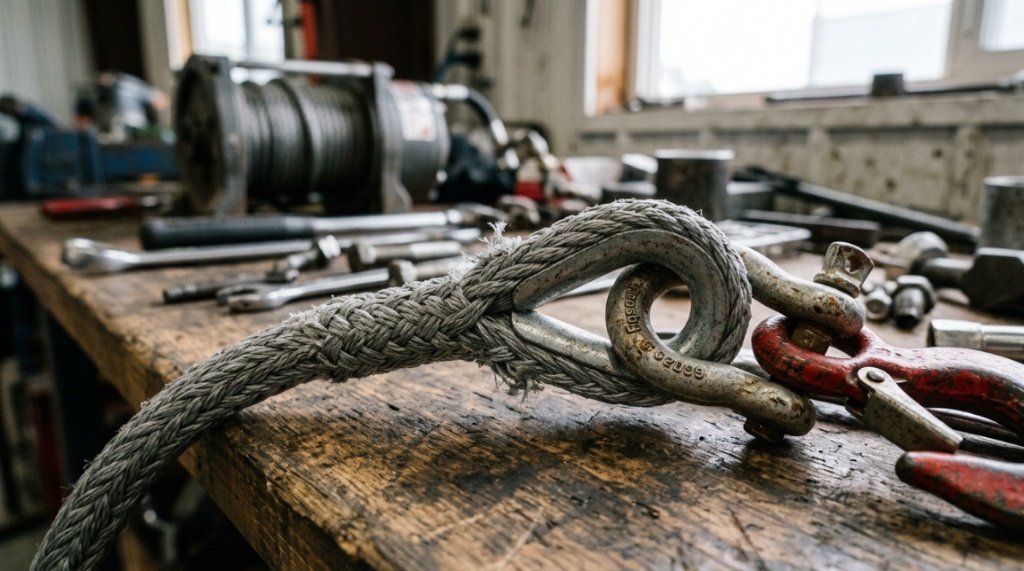
You trust your Amsteel rope with your safety, your rigging, and your expensive gear. So when it fails—whether during a recovery, a sail change, or a heavy lift—it’s not just frustrating; it’s dangerous. The harsh reality is that most Amsteel ropes don’t break because they are weak. They fail because of user error: improper splicing, wrong applications, UV neglect, or heat damage. You don’t need a stronger rope; you need to know how to avoid Amsteel rope failure before it causes an accident. In this guide, you will learn the exact causes of failure and the specific actions you can take today to keep your dyneema rope reliable.

How to Use Vertical Surfboard Storage in Hawaii

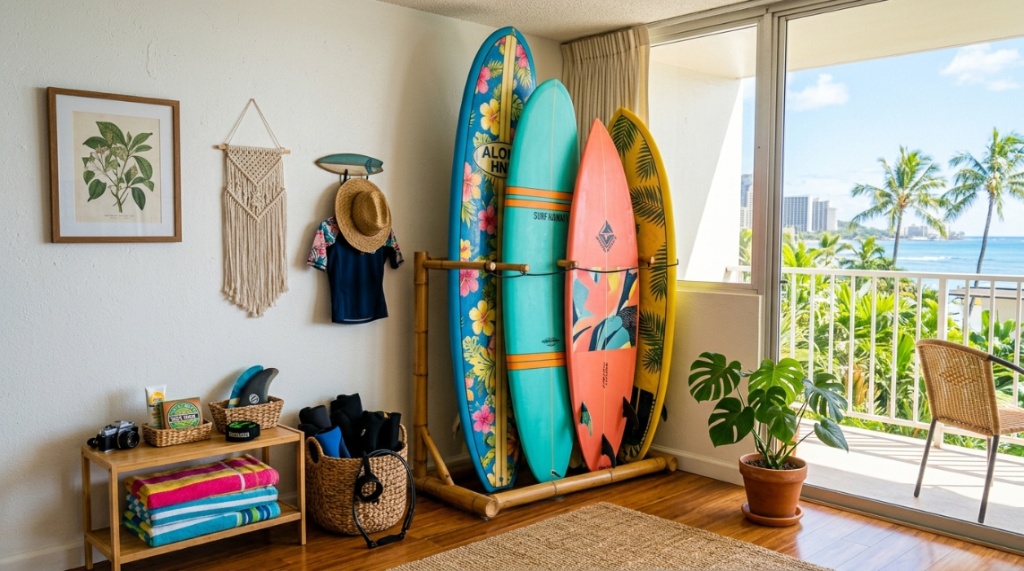
You just finished an epic session at Ala Moana Bowls. Your quiver is salty, sand is grinding into your wax, and your prized shaped-right-here board is dripping all over your lanai. Sound familiar? In Hawaii, where square footage is premium and humidity is a constant battle, storing a quiver flat on the ground invites warping, fin damage, and rusty stringers. The solution is simpler than you think: vertical surfboard storage Hawaii is not just a space-saver—it is a board-life extender. By shifting your storage from horizontal to vertical, you protect your investment, free up living space, and keep your boards ready for the next swell.

How to Pick a Strong Multi-Purpose Rope

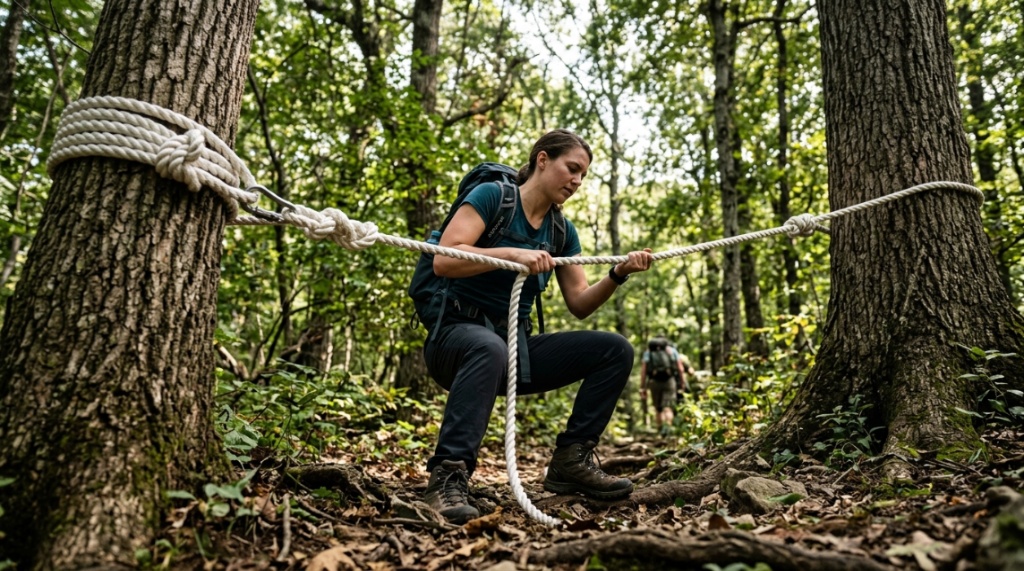
You stand in the hardware aisle staring at spools of nylon, polypropylene, and manila, wondering why there isn’t one single rope that does it all. The frustration is real. You need a strong, multi-purpose rope for camping, towing, securing a load, and maybe even a backyard project, but every option seems to compromise somewhere—too weak, too stretchy, too rough on the hands. The good news is that the perfect balance of strength, durability, and affordability exists. You just need to know what to look for before you buy.