Most dog ear infections do not begin with pain they begin with silence, a faint smell, a hidden wax buildup, and a dog slowly shaking its head more often than usual. Safe dog ear cleaning tips can prevent irritation, infections, itching, and expensive vet visits when done correctly and gently at home. Many pet owners either clean too aggressively or avoid ear cleaning entirely because they fear hurting their dog. That hesitation often turns minor debris into inflammation, redness, yeast growth, or bacterial infections.
Pet hygiene is not just about bathing and brushing. A dog’s ears trap moisture, dirt, pollen, and wax, especially in floppy-eared breeds like Cocker Spaniels, Basset Hounds, and Golden Retrievers. According to veterinary insights, ear infections are among the most common reasons dogs visit clinics each year. Regular ear care lowers infection risk, improves comfort, and helps owners notice early warning signs before they become serious problems.
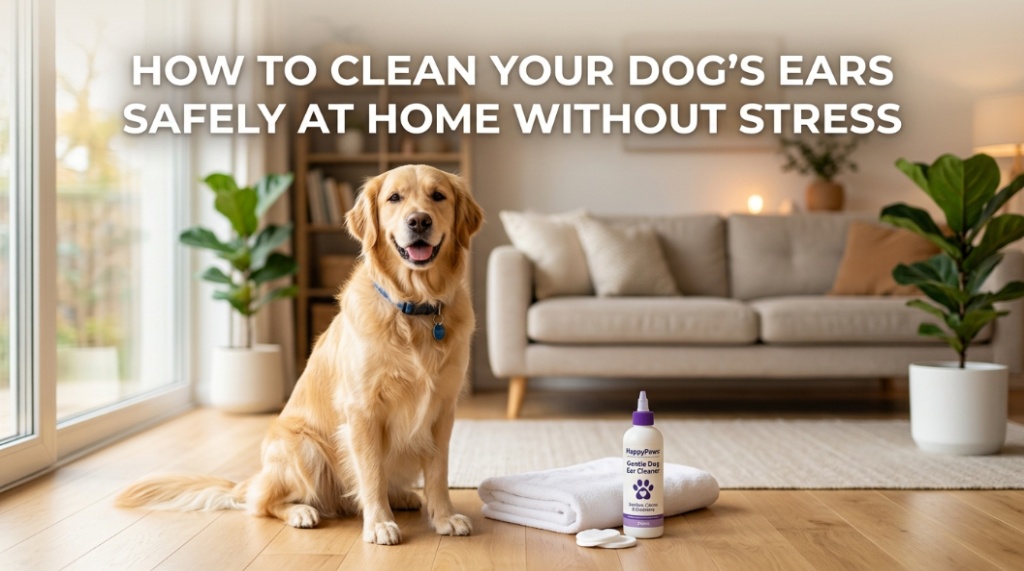
This guide explains how to clean your dog’s ears safely at home without stress, what tools to use, what mistakes to avoid, and how to make the process calm and comfortable for both you and your dog.
Why Is Regular Dog Ear Cleaning Important?
Regular dog ear cleaning helps remove wax, trapped moisture, allergens, and debris that can lead to infections, itching, odor, and discomfort.
Dogs naturally produce ear wax to protect the ear canal. However, excessive buildup creates an environment where yeast and bacteria thrive. Moisture from bathing, swimming, or humid weather makes the problem worse.
Proper pet hygiene includes ear care because untreated ear issues can escalate quickly. Mild irritation may develop into painful infections requiring antibiotics or veterinary treatment.
Which Dogs Need Ear Cleaning Most Often?
Dogs with floppy ears, allergies, hairy ear canals, or swimming habits usually need more frequent ear cleaning.
- Cocker Spaniels
- Labrador Retrievers
- Golden Retrievers
- Basset Hounds
- Poodles
- Bulldogs
These breeds tend to trap more moisture and airflow inside the ear canal.
How Often Should You Clean Your Dog’s Ears?
Most healthy dogs only need ear cleaning once every 2–4 weeks unless advised otherwise by a veterinarian.
Over-cleaning can irritate the ear canal and strip away natural protective oils. Under-cleaning may allow wax and debris buildup.
| Dog Type | Recommended Cleaning Frequency |
|---|---|
| Healthy short-ear dogs | Every 3–4 weeks |
| Floppy-ear breeds | Every 1–2 weeks |
| Swimming dogs | After swimming sessions |
| Dogs with allergies | Based on vet recommendation |
| Dogs with infections | Only under veterinary guidance |
If your dog constantly scratches its ears, shakes its head, or produces a strong odor, cleaning alone may not solve the issue.
What Supplies Do You Need for Safe Dog Ear Cleaning?
You only need a few gentle tools to clean your dog’s ears safely at home.
- Veterinarian-approved ear cleaning solution
- Cotton balls or soft gauze
- Towel
- Dog treats for positive reinforcement
- Optional flashlight for visibility
What Should Never Be Used Inside a Dog’s Ears?
Avoid cotton swabs, alcohol, hydrogen peroxide, or homemade acidic mixtures unless specifically recommended by a veterinarian.
Cotton swabs can push debris deeper into the ear canal and potentially damage sensitive tissue. Alcohol and peroxide may dry out or inflame the skin.
How Do You Clean Your Dog’s Ears Step by Step?
The safest method involves gentle cleaning, calm handling, and avoiding deep insertion into the ear canal.
Step 1: Choose a Calm Environment
Pick a quiet location where your dog feels relaxed and safe.
Stress increases resistance. Many dogs tolerate ear cleaning better after exercise or playtime because they are calmer and less energetic.
Step 2: Inspect the Ears First
Check for redness, swelling, discharge, bleeding, or foul odor before cleaning.
If the ear looks inflamed or painful, stop and contact a veterinarian. Cleaning an infected ear improperly may worsen irritation.
Step 3: Apply Ear Cleaning Solution
Fill the ear canal gently with a vet-approved cleaning solution.
Lift the ear flap carefully and squeeze the solution into the canal without forcing the nozzle deep inside.
Step 4: Massage the Base of the Ear
Massage the ear base for 20–30 seconds to loosen wax and debris.
You will often hear a soft squishing sound. This helps distribute the cleaner throughout the canal.
Step 5: Let Your Dog Shake Its Head
Allowing your dog to shake naturally helps remove loosened debris from the ear canal.
This step is messy but highly effective. Keep a towel nearby.
Step 6: Wipe Away Debris
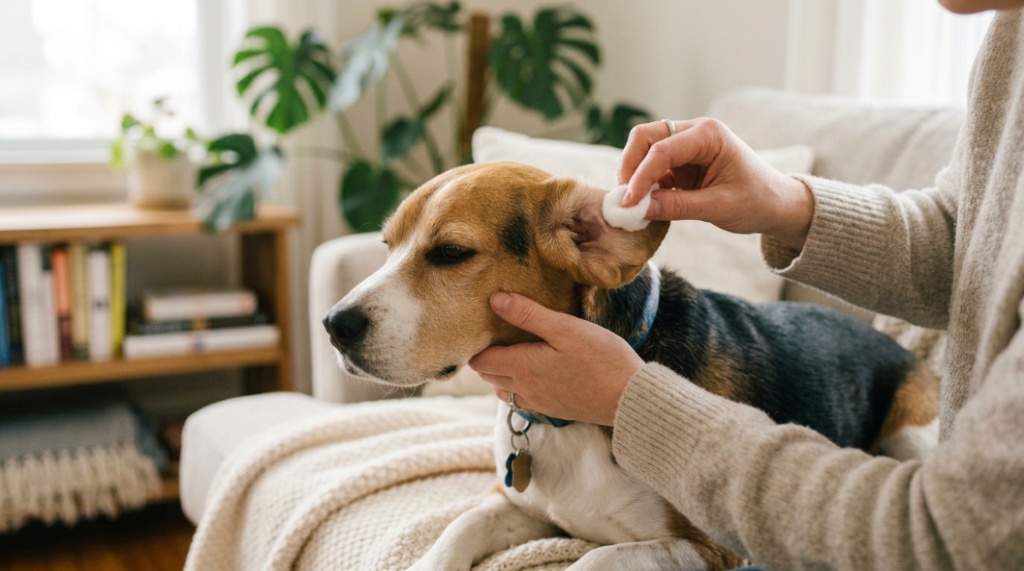
Use cotton balls or gauze to gently wipe visible wax and liquid from the outer ear.
Never push materials deep into the canal. Clean only what you can clearly see.
Step 7: Reward Your Dog
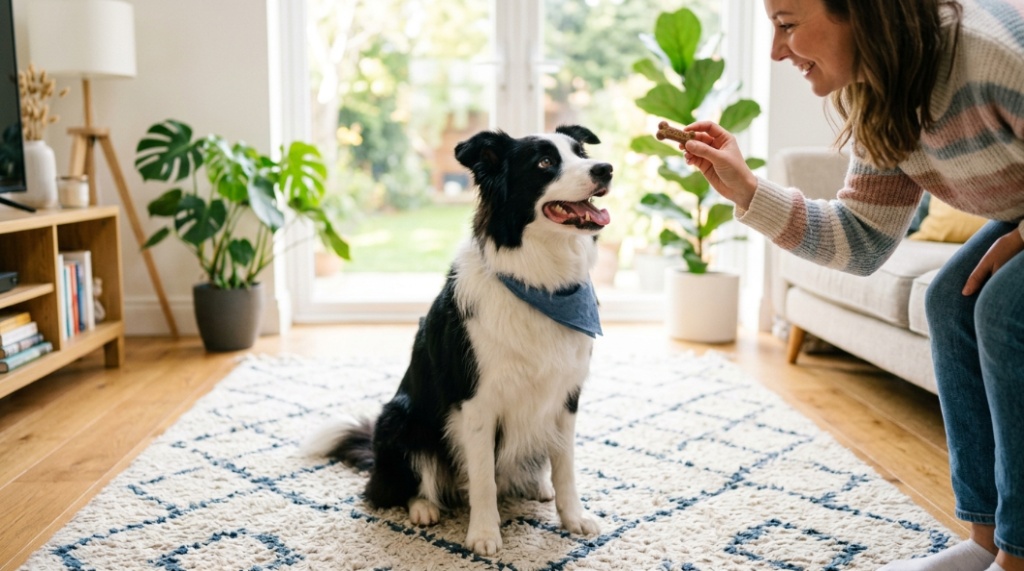
Positive reinforcement makes future cleanings easier and less stressful.
Offer treats, praise, or playtime immediately after cleaning.
What Are Signs of an Ear Infection in Dogs?
Persistent odor, redness, discharge, swelling, scratching, and head shaking are common signs of dog ear infections.
Recognizing symptoms early prevents more severe complications.
- Dark brown or yellow discharge
- Strong unpleasant smell
- Frequent scratching
- Head tilting
- Pain when touched
- Crusty buildup
- Balance issues
Ear infections often result from trapped moisture, allergies, mites, or bacteria. Veterinary treatment may include medicated drops, antifungal solutions, or antibiotics.
Can You Use Baby Wipes or Human Products on Dog Ears?
No, human skincare products and baby wipes are not designed for a dog’s ear pH balance.
Dog ears are highly sensitive. Fragrances, chemicals, or preservatives found in human products may cause irritation or allergic reactions.
Always choose pet-safe ear cleaning solutions specifically formulated for canine use.
What Is the Safest Ear Cleaner for Dogs?
The safest ear cleaners are veterinarian-recommended, alcohol-free, and formulated specifically for dogs.
Quality ear cleaners usually contain gentle drying agents and anti-microbial ingredients without harsh chemicals.
What Ingredients Are Common in Good Dog Ear Cleaners?
Many safe formulas include ingredients that help dissolve wax and reduce microbial growth.
- Salicylic acid
- Lactic acid
- Aloe vera
- Chlorhexidine
- Drying agents
Dogs with sensitive skin may require hypoallergenic options.
How Can You Make Ear Cleaning Less Stressful for Dogs?
Creating positive associations and using gentle handling techniques reduces fear and resistance during ear cleaning.
Many dogs dislike restraint more than the cleaning itself.
Helpful Stress-Reduction Techniques
- Use treats throughout the process
- Keep sessions short
- Speak calmly
- Avoid forcing the dog down
- Practice touching ears regularly between cleanings
- Use non-slip surfaces
Behavior experts often recommend gradual desensitization. Start by simply touching the ears and rewarding calm behavior before attempting full cleaning sessions.
Should You Clean Puppy Ears Differently?
Yes, puppies require extra gentle handling and shorter sessions to build trust early.
Introducing ear care during puppyhood helps prevent fear later in life. Puppies may only need minimal cleaning unless advised by a veterinarian.
Focus more on training and comfort than aggressive cleaning.
Can Allergies Cause Dirty Ears in Dogs?
Yes, food allergies and environmental allergies frequently contribute to chronic ear problems in dogs.
Inflammation from allergies increases wax production and moisture retention. Dogs with recurring ear infections often have underlying allergy triggers.
Common Allergy Triggers
- Pollen
- Dust mites
- Chicken
- Dairy
- Grass
- Mold
If infections keep returning despite proper cleaning, veterinary allergy testing may help identify the root cause.
What Mistakes Should You Avoid While Cleaning Dog Ears?
Incorrect ear cleaning techniques can irritate the ear canal or worsen hidden infections.
Most Common Ear Cleaning Mistakes
- Using cotton swabs deep inside the ear
- Cleaning too frequently
- Ignoring foul odor or redness
- Using homemade cleaners without guidance
- Forcing an anxious dog aggressively
- Skipping drying after swimming
One major mistake is assuming every dirty ear simply needs cleaning. Some dogs actually require medical treatment instead.
Can Swimming Increase Ear Problems in Dogs?
Yes, moisture trapped after swimming creates ideal conditions for yeast and bacterial growth.
Dogs that swim frequently should have their ears dried gently afterward. Some veterinarians recommend drying ear solutions for active water dogs.
Breeds with floppy ears face even higher risk because airflow inside the canal remains limited.
When Should You Visit a Veterinarian Instead of Cleaning at Home?
Severe symptoms, pain, bleeding, swelling, or repeated infections require professional veterinary evaluation.
Home cleaning should never replace medical treatment for active infections.
Seek Veterinary Care If You Notice:
- Blood inside the ear
- Extreme odor
- Swelling
- Pus or thick discharge
- Hearing changes
- Loss of balance
- Crying during touch
Chronic infections may indicate deeper health issues like endocrine disorders, food sensitivities, or ear mites.
Are Natural Remedies Safe for Cleaning Dog Ears?
Some natural remedies may help mild buildup, but many DIY methods can irritate sensitive ears if used incorrectly.
Internet advice commonly promotes vinegar or peroxide mixtures. However, acidic solutions may sting inflamed tissue and worsen discomfort.
Veterinary-approved products are usually safer and more reliable than homemade alternatives.
What Does Healthy Dog Ear Hygiene Look Like?
Healthy dog ears appear clean, light pink, odor-free, and free from excessive wax or discharge.
Routine pet hygiene includes checking ears regularly even when no symptoms appear. Early detection prevents serious infections and expensive treatments.
A quick weekly inspection helps identify changes before they become painful problems.
Conclusion
Safe dog ear cleaning tips are not complicated, but they do require patience, consistency, and gentle handling. Clean ears support overall pet hygiene, reduce infection risks, and improve your dog’s comfort. The key is knowing when to clean, how often to do it, and when a problem needs veterinary attention instead of another cleaning session.
Simple habits like checking ears weekly, drying them after swimming, and using veterinarian-approved products can prevent many common ear problems before they begin. Avoid aggressive tools, harsh chemicals, and over-cleaning. Focus on calm routines and positive reinforcement instead.
Your dog depends on you to notice small warning signs early. A few minutes of proper ear care today can prevent discomfort, infections, and costly treatments later. If your dog shows persistent symptoms despite regular cleaning, consult a veterinarian promptly for a proper diagnosis.
Frequently Asked Questions
How do I know if my dog’s ears need cleaning?
If you notice visible wax, mild odor, head shaking, or debris inside the ear flap, your dog may need cleaning. Healthy ears should look clean and light pink.
Can I clean my dog’s ears every week?
Some dogs benefit from weekly cleaning, especially floppy-ear breeds or swimmers, but over-cleaning may irritate healthy ears. Most dogs only need cleaning every 2–4 weeks.
Why does my dog hate ear cleaning?
Dogs often dislike restraint, unfamiliar sensations, or previous painful experiences. Calm handling, treats, and shorter sessions usually improve cooperation.
Can ear mites look like dirty ears?
Yes, ear mites often create dark debris resembling coffee grounds. Persistent scratching and irritation should be evaluated by a veterinarian.
Is coconut oil safe for dog ears?
Coconut oil is sometimes used for minor dryness, but it should not replace veterinary ear cleaners or infection treatments. Improper use may trap debris or moisture.
Should I pull hair from inside my dog’s ears?
Only do this if advised by a veterinarian or professional groomer. Excessive hair removal can irritate sensitive skin inside the ear canal.
Can food cause recurring ear infections in dogs?
Yes, food allergies commonly contribute to chronic ear inflammation and infections. Dogs with repeated ear problems may need dietary evaluation.