Surfing should feel liberating, but for many, it comes with a side effect: raw, irritated skin. If you’ve ever noticed painful, red patches after a great session, you’re not alone. Surfboard rash can ruin your stoke and limit your time in the water.
So, how to prevent rash from surfboards? The top solution is wearing a rash guard. These athletic tops are specifically designed to protect your skin from friction, salt, and sun. In this article, we’ll break down how rash guards work, explore their benefits, and share actionable tips so you can ride wave after wave in total comfort.
What is surfboard skin irritation, and why does it happen?
Surfboard skin irritation is commonly known as “surf rash.” It happens when your skin repeatedly rubs against a waxed board or wetsuit, causing redness, chafing, and even open sores. Several factors make this rash a common surfer problem.
When you paddle, chest, armpits, and stomach drag across your board’s rough wax and textured deck. The saltwater doesn’t help either—salt dries out skin, making it more sensitive to rubbing. Over time, the combination of friction, moisture, and salt leads to that unmistakable burning sensation. Beginners are especially prone because their paddling technique may cause more skin-to-board contact. The result? Painful raw spots that can keep you out of the water for days.
How do rash guards help prevent rash from surfboards?
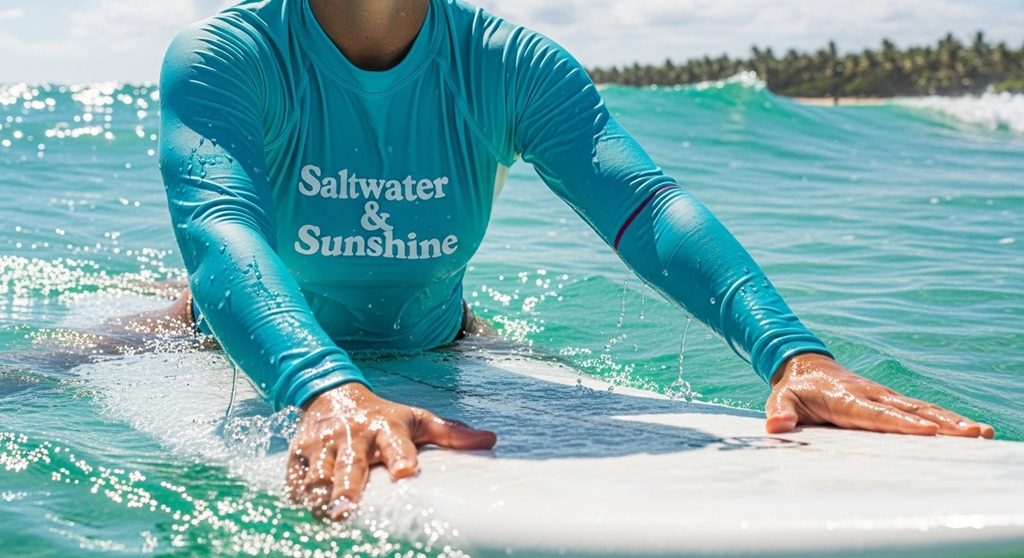
Rash guards create a protective barrier between your skin and the surfboard. Their smooth, quick-dry fabric reduces friction, prevents chafing, and wicks away moisture, ensuring your skin stays comfortable and safe session after session.
Instead of your skin grinding against sandpaper-like board wax, the rash guard’s slick material glides on both the skin and the board surface. Wearing a rash guard also minimizes direct sun exposure and blocks salt from drying out your skin. With these benefits, you can focus on surfing—not on the burn under your arms or chest. For those with sensitive skin or who surf for long periods, this layer is an absolute game changer.

What materials make rash guards so effective in preventing rashes?
Rash guards are usually made from synthetic blends like spandex, nylon, and polyester. These materials are chosen for their stretch, durability, and ability to shed water quickly, making them perfect for surf protection against irritation.
Spandex (also called Lycra or elastane) is highly elastic, so your rash guard always fits snug but doesn’t constrict movement. Nylon adds toughness and quick-drying qualities. Polyester is breathable and trains moisture away from your skin. Together, these materials make a thin but super-effective shield, reducing chances of rashes drastically, even during long surf sessions. Compared to cotton, which gets heavy and rough when wet, rash guard fabric stays slick, smooth, and lightweight.
Can wearing a rash guard protect against more than just friction?
Yes! Besides preventing friction and rashes, rash guards offer UV protection, shield against salt, and buffer your skin from jellyfish stings and even wetsuit rub, making them versatile surf gear must-haves.
Most high-quality rash guards have built-in UPF ratings, blocking up to 98% of harmful UVA and UVB rays. This reduces the risk of sunburn and long-term skin damage. Rash guards also keep salt and sand off your skin, which can lead to irritation or chafing. Used under wetsuits, they act as an extra layer against rough seams and tighten the overall fit, further cutting back on friction points. And if you surf in waters with jellyfish, a rash guard offers some protection from mild stings and abrasions.
Should you wear a rash guard under a wetsuit, or is it just for warm water?
Wearing a rash guard under a wetsuit is common and highly recommended. It enhances comfort, prevents wetsuit chafing, and makes getting in and out of your wetsuit easier—perfect for warm or cold water surfing alike.
When you wear a wetsuit alone, the seams, chest, and armpit areas can still chafe—especially during long sessions or aggressive paddling. A rash guard adds a slick layer, reducing any friction between your skin and the wetsuit material. It also makes donning and removing wetsuits much less of a wrestling match! For tropical sessions, rash guards are lightweight enough to be worn on their own, giving you UV and rash protection without overheating.
How do you choose the right rash guard to prevent surf rashes?

Selecting the right rash guard depends on fit, fabric, UPF rating, and intended use. It should fit snugly (not loose), be quick-drying, and offer sun protection. Long sleeves add coverage, while flatlock seams ensure maximum comfort against the skin.
There’s a vast range out there, but to maximize rash prevention, follow these tips:
- Fit: Choose a form-fitting rash guard. Loose ones can bunch up and cause more chafing.
- Material: Prioritize spandex/nylon blends for stretch and quick drying.
- Seams: Look for flatlock stitching to avoid raised seams.
- Sun Protection: Go for at least UPF 50+ if you’ll be in the sun for hours.
- Sleeve Length: Long sleeves for full coverage; short sleeves for more flexibility in tropical waters.
Try on a few before committing, because comfort is personal. But remember: fit and fabric matter most for preventing surfboard rashes.
How does a rash guard compare to other rash-prevention methods?
While barrier creams and tape offer short-term relief, rash guards outperform with reliable, all-session skin protection. They’re reusable, environmentally friendly, and work in tandem with other prevention strategies for the best results.
To help you choose, here’s a quick comparison:
| Prevention Method | Pros | Cons | Best For |
|---|---|---|---|
| Rash Guard | Comprehensive protection, reusable, sun block, reduces all friction | Needs correct fit; can feel warm in humid weather | All surfers, all water temps |
| Vaseline/Creams | Quick application, portable | Washes off easily, messy, less reliable for long sessions | Short sessions or added layer under rash guard |
| Tape/Bandages | Spot-protection, cheap | Limited range, can fall off in water | Covering existing rash or small spots |
| Surf Suits | Full-body coverage, warmth | Can be restrictive, pricey, not ideal for tropical climates | Cold water, sensitive skin |
Tip: Using a rash guard in combination with good paddling form and occasional barrier creams gives the strongest protection from surfboard rash!
What are some best practices for using rash guards to prevent surfboard rash?
Always rinse your rash guard after each session, ensure a snug fit, and double-check for loose seams. Combining a clean rash guard with other hygiene tips greatly boosts skin comfort and rash prevention.
- Rinse with freshwater after every use.
- Let it air dry—avoid sun baking, which can break down fibers.
- Check seams regularly for splits or rough areas.
- Rotate between more than one rash guard for longevity.
- If you feel chafing mid-session, take a break—it might be seam-related.
Don’t forget personal hygiene too. Shower after surfing to remove salt and sand, and moisturize irritated spots quickly. The combination of quality gear and good habits is the ultimate defense against surfboard skin irritation.
Is it ever too late to start using a rash guard if you already have a surf rash?
No, it’s never too late to switch! Once a rash develops, give your skin time to heal, but start using a rash guard immediately in future sessions to prevent it from recurring.
Minor surf rashes usually clear up within days if you keep the area clean and dry. During this time, you can use barrier creams, loose clothing, or skip sessions temporarily. But when you return to the water, don a rash guard right away. You’ll notice reduced friction and much less chance of the rash flaring again. Prevention is key—rash guards save your skin and maximize water time, no matter your skill level.
How can you maximize your surf time and comfort with rash guards?
Wearing the right rash guard minimizes discomfort and keeps you in the water longer. Combine this with good habits for unbeatable rash prevention and surfboard skin protection all year long.
Don’t let surfboard rash cut your surf days short. Invest in a quality rash guard, rinse it well, and care for your skin after every session. With expert tips and the right gear, you’ll stay comfortable, surf safer, and focus on catching more waves—not fighting off irritation. Make rash guards part of your essential surf kit and enjoy endless stoke, session after session!
Ready to upgrade your surf? Find the perfect rash guard today—your skin will thank you!
Frequently Asked Questions About Preventing Rash From Surfboards
1. Can rash guards completely eliminate surfboard rash?
Rash guards are extremely effective at preventing surfboard rash for most surfers. However, if your rash guard fits poorly or seams rub your skin, rashes can still develop. Combining a snug rash guard with other tips, like rinsing after sessions and using moisturizing creams, offers the highest protection.
2. How long should my rash guard last?
With proper care, a quality rash guard can last from one to several surf seasons. Rinse after use, avoid excessive sun drying, and don’t wring it out aggressively. Replace your rash guard when the fabric thins, loses stretch, or seams start to fray.
3. Are there special rash guards for cold vs. warm water?
Yes. For warm water, lightweight, short or long sleeve rash guards are standard. In colder water, thermal rash guards with fleece lining or neoprene add warmth while still protecting your skin—and they’re perfect layering under wetsuits.
4. Can women’s and men’s rash guards differ?
Yes, women’s rash guards typically feature more tailored fits and extra chest support, while men’s have straight cuts. Both should offer the same protective benefits. Always choose the most comfortable and functional style for your body type.
5. What if I have sensitive skin or allergies?
Look for rash guards labeled as hypoallergenic or those made from soft, tagless materials. Avoid cheap, rough fabrics and always wash new gear before your first session to minimize potential irritation.
6. Can kids use rash guards for surf rash prevention?
Absolutely! Kids are just as prone to surfboard rash, and rash guards help them stay rash-free, protected from the sun, and comfortable in the water. Always choose age-appropriate, UPF-rated, and properly fitting rash guards for children.
7. Is Vaseline or bodyglide needed if I wear a rash guard?
Most surfers won’t need extra creams with a good rash guard. However, if you have known hotspots or sensitive areas, applying a thin layer underneath your rash guard offers an extra layer of friction defense—especially during very long sessions or competition days.
Read More Also: Why Kate Moss Loves Fishnet Tights
Find out: What to Know About Alpaca Yarn