
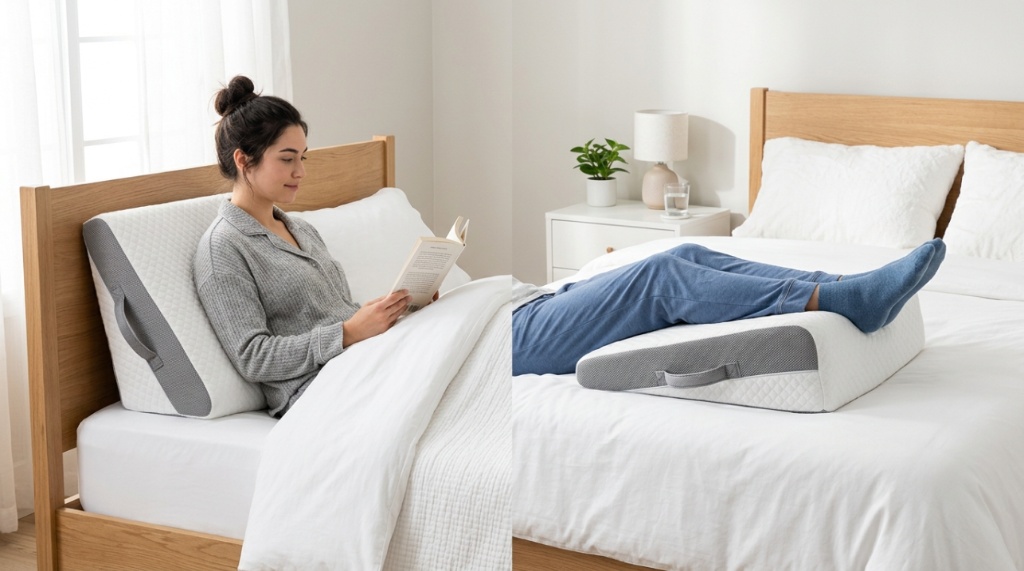
You wake up with a stiff neck, aching lower back, or that familiar burning sensation in your chest. You toss pillows, adjust your mattress, and maybe even blame your sleeping position. But the real culprit might be a lack of proper elevation and alignment. An orthopedic wedge pillow support system could be the missing piece in your sleep setup. These specially designed pillows lift your upper body or knees to maintain the natural curve of your spine, reducing pressure points and improving circulation. However, not all wedges are created equal. Choosing the wrong density, angle, or material can worsen your discomfort. This guide walks you through exactly what to look for to ensure you get the maximum support your body deserves.
What Does an Orthopedic Wedge Pillow Actually Support?
An orthopedic wedge pillow supports your spine’s natural alignment by elevating specific parts of your body. Unlike standard flat pillows, which can bend your neck or arch your lower back, a wedge maintains a neutral position. This targeted lift reduces stress on joints, muscles, and internal structures.
The primary areas of support include:
- Upper body support: Elevates the head, neck, and shoulders to open airways and reduce acid reflux.
- Lumbar support: Keeps the lower spine in a gentle curve, alleviating pressure on discs.
- Knee and leg support: Placed under the knees or calves to take pressure off the hips and lower back.
By supporting these key zones, a wedge pillow helps prevent the rolling and shifting that often causes morning stiffness. It provides a stable foundation, much like a mattress topper, but with targeted elevation.
How Do I Know Which Wedge Angle Is Right for My Condition?
The angle of your wedge pillow dictates the amount of elevation and directly influences its effectiveness. Most wedges range from 15 degrees to 45 degrees. The right angle depends entirely on your primary health goal.
For Acid Reflux and GERD
You need a higher angle, typically between 30 and 45 degrees. This ensures gravity keeps stomach acid down. Sleep experts often recommend a 7-to-8-inch height for the head of the wedge. A lower angle may not prevent reflux, while a higher angle can strain your neck or cause you to slide down during the night.
For Sleep Apnea and Snoring
An angle of 20 to 30 degrees is usually sufficient. This slight elevation helps keep your airway open without forcing your chin into an unnatural position. Start with a lower angle and adjust if snoring persists.
For Back Pain and Sciatica
This is more nuanced. If you have upper back pain, a 15-to-25-degree wedge under your upper back can help. For lower back pain, a knee wedge (which is often a low 10-to-15-degree angle) placed under your knees is ideal. This flattens your lower back against the mattress, relieving disc pressure.
What Materials Provide the Best Support and Durability?
The internal material is the heart of any orthopedic wedge pillow support system. The best materials resist compression over time and provide a firm, supportive surface.
| Material | Pros | Cons | Best For |
|---|---|---|---|
| High-Density Memory Foam | Excellent support; contours to body; durable; good motion isolation. | Can retain heat; heavier; may have initial off-gassing. | Side sleepers; acid reflux; chronic back pain. |
| Polyurethane Foam | Lightweight; affordable; firm support. | Less contouring; can break down faster; may feel too hard. | Budget buyers; temporary use; stomach sleepers. |
| Latex | Naturally cooling; very resilient; hypoallergenic; long-lasting. | Expensive; heavy; firm feel may not suit everyone. | Hot sleepers; allergy sufferers; those wanting longevity. |
| Inflatable (Air) | Adjustable firmness; portable; easy to clean. | Can leak; less stable; not ideal for side sleepers; loud. | Travel; adjustable loft needs; occasional use. |
When buying, always look for a density rating. A foam density of 4 pounds per cubic foot or higher is a reliable indicator of quality and durability. Avoid cheap foams that sag after a few weeks.
Why Is the Cover Material Important for Comfort?
Many people focus only on the foam and forget the cover. A poor cover can make a great foam pillow feel uncomfortable. For maximum bed support, the cover should wick moisture, breathe, and stay in place.
Look for these features in a cover:
- Cotton or Bamboo Rayon: These natural fibers allow airflow and reduce heat buildup.
- Removable and Washable: Essential for hygiene. Sweat, drool, and skin oils degrade foam over time.
- Non-Slip Bottom: Some wedges come with a textured or rubberized bottom to prevent sliding on sheets.
- Zipper Quality: A strong zipper prevents the cover from tearing during removal.
A good cover also adds a soft layer between you and the firm foam, making the pillow feel more luxurious without sacrificing support.
Can a Wedge Pillow Help with Different Sleeping Positions?
Yes, but only if you choose the correct type of wedge for your position. A standard full-body elevation wedge works for back sleepers, but side and stomach sleepers need different configurations.
Back Sleepers
This is the easiest match. A standard upper-body wedge (25-30 degrees) works well. It elevates your head and shoulders while keeping your spine aligned. Add a small, flat pillow under your knees for extra lower back relief.
Side Sleepers
A large, steep wedge can be uncomfortable for side sleepers, as it forces your shoulder into an awkward angle. Instead, consider a wedge with a cutout for the shoulder or a smaller knee wedge. A knee wedge placed between your legs keeps your hips square and prevents twisting of the lower back.
Stomach Sleepers
Stomach sleeping is generally discouraged for back health. If you must sleep on your stomach, avoid large upper-body wedges. A very low, thin wedge (10 degrees or less) placed under your hips can reduce lower back arching. A flat pillow under the stomach is often a better alternative.
Which Features Should I Prioritize for Maximum Bed Support?
Not all wedge pillows are designed for the same level of support. For true orthopedic benefit, prioritize these specific features over cosmetic ones.
- Firmness: The pillow must be firm. If it compresses more than 1-2 inches under your body weight, it is too soft and will not provide the necessary elevation.
- Height Consistency: The wedge should taper gradually. A steep, sudden drop can create a pressure point at the lower back. Look for a smooth incline.
- Size: A wider wedge (30+ inches) is better for those who move during the night. A narrow wedge may cause you to roll off.
- Multi-Position Use: Some wedges are reversible or have adjustable layers. This allows you to change the angle for different nights or different sleeping positions.
Can a Wedge Pillow Replace a New Mattress?
No, a wedge pillow cannot fix a sagging or unsupportive mattress. It can, however, significantly improve a moderately comfortable mattress. If your mattress is over 8 years old, has visible sagging, or causes you to wake with widespread pain, a new mattress is likely the necessary fix. Use a wedge as a tool to correct specific issues like reflux or post-surgery recovery, not as a bandage for a broken bed.
For those with a decent mattress, wedges are excellent for creating targeted support. For example, if your mattress is slightly too flat for your side sleeping preference, a wedge under your head and chest can provide the lift you need without replacing the entire bed.
How Can I Ensure My Wedge Pillow Stays in Place?
One of the most common complaints about wedge pillows is that they move during the night. This ruins the entire purpose of orthopedic wedge pillow support. To prevent this, consider the following strategies.
Use a Non-Slip Backing
As mentioned, some wedges have a non-slip bottom. If yours does not, you can buy a non-slip rug pad and cut it to size. Place it under the pillow to grip both the wedge and the sheet.
Place It Under the Mattress Pad
For lower body wedges, place the wedge directly on the mattress and then put your fitted sheet over it. This holds the wedge tightly in place. For upper body wedges, this can make the angle feel less pronounced, but it stops sliding effectively.
Add a Body Pillow or Bolster
A long body pillow placed alongside the wedge can prevent you from rolling off the side. This creates a stable “nest” that keeps you aligned throughout the night.
Check Your Sheets
Fitted sheets with deep pockets and a tight elastic are essential. Loose sheets allow both you and the pillow to slide. Consider a sheet with a silicone strip on the underside for extra grip.
What Are the Common Mistakes People Make When Buying a Wedge Pillow?

A poor purchase can lead to more discomfort. Avoid these pitfalls to ensure you get real support.
- Buying the highest angle first. You should start with a lower angle and increase it gradually. A 45-degree angle is often too extreme for a first-time user and can cause neck pain.
- Ignoring the pillow for the knees. Many people buy an upper body wedge but forget that elevating the head can increase pressure on the lower back. Always use a complementary knee pillow or a leg lift.
- Choosing based on price alone. The cheapest wedges are typically made of low-density foam that flattens within weeks. This leads to zero support.
- Forgetting about pillow hygiene. If the cover is not removable, the foam will absorb moisture and oils, becoming a breeding ground for dust mites and bacteria. This can worsen allergies and skin issues.
Is There a Specific Type of Wedge for Post-Surgery Recovery?
Yes, post-surgery recovery wedges often have specific design features. After hip, back, or knee surgery, maintaining a specific angle is critical to prevent swelling and protect the surgical site. These wedges are usually longer, covering from the hips to the feet, and are made of super-firm foam.
Key features for recovery wedges include:
- Contoured leg rests: To keep the legs separated and aligned.
- Extreme firmness: To prevent sinking, which could stress a healing joint.
- Waterproof covers: For hygiene and to protect the foam from wound drainage.
Always follow your surgeon’s specific angle and positioning instructions. A general wedge may not provide the exact post-operative elevation required.
When looking for targeted alignment, finding the right material is key. While memory foam wedge pillows offer excellent elevation, alternative natural fills can also provide incredible structural stability. If you prefer a firmer, highly breathable option for classic sleeping setups, check out our comprehensive LOFE Organic Buckwheat Pillow Review to see how it compares for nighttime comfort.
How Do I Clean and Maintain My Orthopedic Wedge Pillow?
Regular maintenance extends the life of your pillow and ensures consistent support. Memory foam and latex are porous and can harbor allergens if neglected.
- Wash the cover weekly: Use a gentle cycle with cold water and a mild detergent. Avoid bleach and fabric softeners, which can break down the fibers.
- Spot clean the foam: If the foam gets soiled, do not soak it. Use a damp cloth with a mix of water and a very small amount of mild soap. Press gently, then blot dry with a towel.
- Air dry completely: Never put memory foam in a dryer. The heat will ruin the foam structure. Let it air dry in a well-ventilated area, away from direct sunlight.
- Fluff and rotate: Although wedges don’t fluff like traditional pillows, rotating it end-to-end every few months can help distribute wear evenly.
Where Can I Find Reliable Information on Affordable Wedge Pillows?
Navigating the market can be confusing. Many products claim to be “orthopedic” but lack the density or design to back it up. To make an informed decision, you need to compare features and read user reviews from people with similar conditions. For a curated list of effective, budget-friendly options that don’t compromise on density or angle accuracy, a detailed buying guide can be invaluable. You should review a resource that has already tested these products for orthopedic wedge pillow support against common body types and sleep issues. This will save you time and help you avoid products that look good online but fail to provide the support you actually need at night.
Frequently Asked Questions
Can I sleep on a wedge pillow every night?
Yes, most people can use an orthopedic wedge pillow nightly. Your body will adapt within a few days. However, if you experience new neck or shoulder pain, you may need to adjust the angle or the type of wedge you are using.
Is a 45-degree wedge too high for sleep?
For many people, a 45-degree wedge is too steep for comfortable, all-night sleep. It is best reserved for specific medical needs like severe GERD or post-surgery recovery. Most users find 20 to 30 degrees sufficient for daily use.
Do wedge pillows help with hip pain?
Yes, indirectly. A wedge placed under your head and shoulders can correct poor upper body alignment, which often compensates for hip issues. A knee wedge is even more effective, as it takes direct pressure off the hip joints by preventing leg rotation.
Can a wedge pillow cause neck pain?
Yes, if the angle is too high or the pillow is too firm. A wedge that forces your chin toward your chest can strain the cervical spine. Look for a wedge with a gentle, gradual incline and always use a small flat pillow for your head if the wedge slope feels aggressive on your neck.
Should I use a wedge pillow with a mattress topper?
You can, but be careful. A thick, soft mattress topper can sink under the wedge, reducing its effective angle. A thin, firm topper (1-2 inches) works best if you want to soften the wedge’s feel without losing support.
How long does an orthopedic wedge pillow last?
A high-quality memory foam or latex wedge should last 3 to 5 years with proper care. Low-density foam might last only 6 to 12 months before losing shape. Rotating the wedge and keeping it clean extends its lifespan.
Can I use a wedge pillow for reading or watching TV?
Absolutely. A wedge pillow is excellent for sitting up in bed. It provides continuous support from your lower back to your head, making it much more comfortable than stacking multiple regular pillows for daytime lounging.