

You love being outdoors, but the thought of reapplying sticky sunscreen every hour is exhausting. Worse, you worry about sun damage accumulating over time. You need a simple, effective solution that fits your active lifestyle. The answer is womens UPF 50 shirts breathable enough to wear all day without overheating. These shirts block 98% of UV radiation, eliminating the need for constant reapplication. But not all shirts deliver on both protection and comfort. This guide will help you cut through the marketing hype and find a shirt that actually works for your body and your routine. We will cover everything from fabric science to fit, ensuring you make a confident purchase you will love wearing season after season.
What Does UPF 50 Actually Mean for Your Skin?
UPF stands for Ultraviolet Protection Factor. A UPF 50 rating means the fabric allows only 1/50th of the sun’s UV radiation to reach your skin. This translates to 98% blockage of both UVA and UVB rays. Unlike sunscreen, which can wash off or degrade, UPF clothing provides consistent protection as long as you wear it correctly.
The rating is determined by laboratory testing that measures how much UV light passes through the fabric. A shirt must have a UPF of at least 15 to claim sun protection, but 50 is considered excellent. For context, a standard white cotton t-shirt offers a UPF of only 5 to 8 when dry, and even less when wet. UPF 50 clothing is the gold standard for everyday outdoor wear because it eliminates guesswork and gaps in coverage.
How UPF Differs from SPF
Many people confuse UPF with SPF, but they measure different things. SPF applies to sunscreen and measures protection from UVB rays only—the ones that cause sunburn. UPF measures protection from both UVA and UVB rays, including the ones that cause premature aging and skin cancer. A UPF 50 shirt provides more comprehensive protection than most high-SPF sunscreens.
The Science Behind the Rating
Fabric density, fiber type, color, and treatments all affect UPF. Tightly woven synthetic fabrics like polyester and nylon naturally block more UV than looser weaves. Darker colors absorb more UV, but lighter colors with special treatments can also achieve high ratings. The key is that the rating applies to the fabric itself, not just a chemical coating that washes out over time.
Why Breathability Is Crucial for Sun Protection Shirts
Breathability determines whether you will actually wear your sun shirt consistently. A non-breathable shirt traps heat and moisture against your skin, leading to discomfort, chafing, and the temptation to remove it on hot days. Womens UPF 50 shirts breathable designs use moisture-wicking fabrics and ventilation features to keep you cool and dry, so protection becomes effortless.
When you exercise or move, your body produces heat and sweat. If a shirt cannot release that moisture, you feel clammy and overheated. This is not just uncomfortable—it can lead to skin irritation and heat stress. Breathable fabrics pull sweat away from your skin to the outer surface of the shirt where it evaporates quickly. This evaporation process cools you down naturally, similar to how sweating works on bare skin.
Key Breathability Features to Look For
- Mesh underarm panels allow heat to escape from high-sweat zones
- Raglan sleeves reduce seam friction and improve airflow
- Flatlock stitching prevents chafing and reduces bulk
- Stretch fabric maintains airflow even during movement
- Vented back panels provide direct airflow when wearing a backpack
Which Fabrics Offer the Best Balance of Protection and Cooling?
Polyester, nylon, and spandex blends dominate the market because they dry quickly, resist stretching, and hold color well. These synthetic fabrics can be engineered with moisture-wicking properties and permanent UV blockers. However, natural fibers like merino wool and treated cotton are emerging as viable alternatives for those with sensitive skin.
Polyester is the most common choice because it is lightweight, durable, and inexpensive. It dries much faster than cotton, making it ideal for water sports or sweaty hikes. Nylon is stronger and more abrasion-resistant, which matters for bushwhacking or climbing. Spandex adds stretch for a better fit. The best shirts combine these fibers in specific ratios—typically 85-92% polyester or nylon with 8-15% spandex.
Merino Wool Blends
Merino wool naturally resists odor and regulates temperature better than synthetics. Some brands now offer UPF 50 merino blends that feel softer against skin. The trade-off is higher cost and slower drying time compared to polyester. If you prioritize odor control on multi-day trips, merino is worth considering.
Cotton Blends
Standard cotton provides minimal sun protection, but some manufacturers treat cotton with UV-absorbing chemicals. These treatments wash out over time, so the protection is not permanent. Cotton also stays wet when sweaty, making it heavy and uncomfortable. Avoid cotton unless you are wearing the shirt for very short durations in mild weather.
How Should a Women’s UPF 50 Shirt Fit for Optimal Protection?
A loose fit provides better sun protection because the fabric sits away from your skin, creating a shadow effect that reduces UV penetration. However, a fit that is too loose may flap in the wind, exposing skin underneath. The ideal fit is relaxed but not baggy, with sleeves that stay in place when you raise your arms.
Many women make the mistake of buying a tighter shirt for a flattering silhouette. Unfortunately, stretched fabric has less UV protection because the weave opens up. If you can see light through the fabric when holding it up to a lamp, UV is getting through. A shirt that fits snugly also traps heat, reducing breathability.
Measuring for the Right Size
Take your bust, waist, and hip measurements while wearing the undergarments you would wear during activity. Compare these to the brand’s size chart, not your usual clothing size. Different brands cut their shirts differently, so always check the chart. Look for shirts that offer a regular or relaxed fit rather than slim or compression cut.
Sleeve Length Considerations
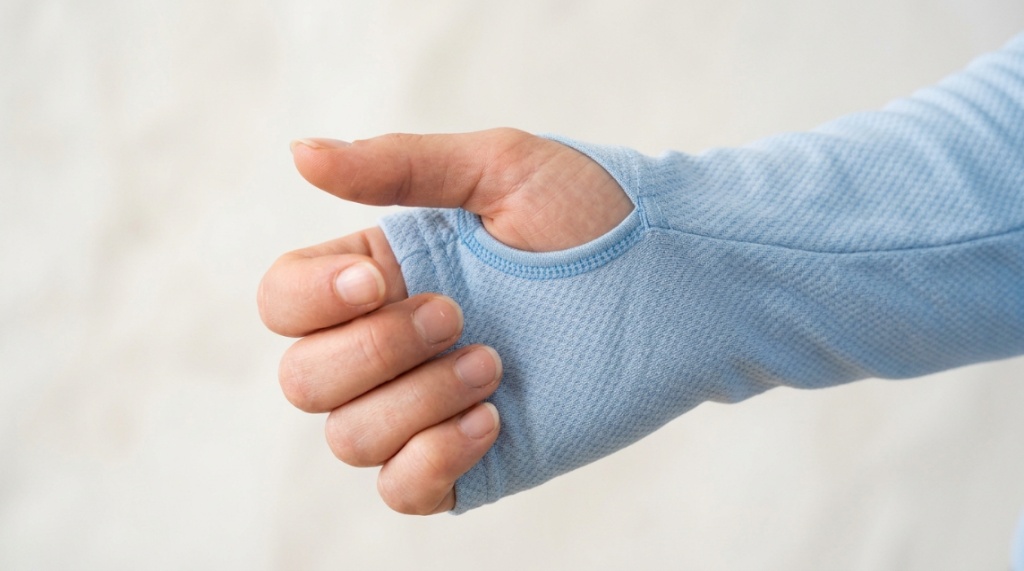
Long sleeves offer the most protection, but some women prefer short sleeves for extreme heat. Look for shirts with extended sleeve cuffs that cover the back of your hands. Thumbholes are a useful feature that keeps sleeves in place and protects a often-missed area. If you choose short sleeves, be diligent about applying sunscreen to your forearms.
What Features Distinguish a High-Quality Sun Shirt from a Cheap One?
A high-quality sun shirt uses durable fabric with permanent UPF treatment, reinforced seams, and thoughtful design details that enhance comfort and longevity. Cheap shirts often use spray-on UV treatments that wash out after a few cycles, or they cut corners on stitching and fit. You do not need to spend a fortune, but you should invest in a shirt that will last through multiple seasons.
| Feature | High-Quality | Low-Quality |
|---|---|---|
| UPF durability | Permanent built-in fiber | Spray-on coating |
| Stitching | Flatlock or bonded seams | Standard zigzag seams |
| Moisture wicking | Engineered knit structure | Topical finish |
| Odor control | Silver or zinc treatment | None |
| Stretch recovery | Retains shape after wash | Frays or loses elasticity |
The Importance of Gussets and Articulation
Articulated sleeves and underarm gussets allow full range of motion without the shirt riding up. For activities like paddling, hiking, or gardening, these features make a practical difference. A shirt that restricts movement will end up in the bottom of your drawer.
Pocket Placement
Zippered pockets keep small items secure, but avoid pockets on the chest if you carry a backpack, as they can dig in. Side hand pockets are convenient for casual wear but may dump contents when you sit. Consider how you will use the shirt and choose pocket placement accordingly.
Can You Wear a UPF 50 Shirt for Swimming and Water Sports?
Yes, most womens UPF 50 shirts breathable designs are intended for water use. Look for shirts specifically marketed as swim shirts or rash guards, as they are made from quick-drying, chlorine-resistant materials. These shirts maintain their UPF rating even when wet, unlike cotton t-shirts that lose most of their protection when saturated.
Chlorine and salt water can degrade fabric over time. High-quality swim shirts use materials treated to resist these elements. Rinse your shirt in fresh water after each use and hang it to dry away from direct sunlight. Do not wring it out, as that can damage the fibers. With proper care, a good swim shirt lasts two to three seasons of regular use.
UPF 50 vs. Rash Guards
Rash guards are a subset of UPF 50 shirts specifically designed for water sports. They typically have a tighter fit to reduce drag and prevent chafing from a surfboard or paddle. General UPF 50 shirts may have a looser fit better suited for hiking or gardening. Choose based on your primary activity.
When investing in high-performance apparel, modern buyers look for versatile pieces that transition seamlessly from a beach trip to casual city outings. This shift toward functional luxury mirrors the trends we see among high-end demographics, such as Why Online Luxury Shoppers in Chicago are prioritizing premium, fabric-engineered garments that offer both aesthetic value and real-world utility.
How Do You Care for UPF 50 Clothing to Maintain Protection?
Proper care extends the life of your sun shirt and preserves its UPF rating. Wash your shirt in cold water on a gentle cycle. Avoid fabric softeners, which coat fibers and reduce moisture-wicking ability. Do not bleach or use harsh detergents. Air drying is best, but if you use a dryer, select the lowest heat setting.
Most sun shirts lose about 10-20% of their UPF rating over five years with normal wear and tear. Signs that your shirt needs replacement include fading, thinning fabric, stretched-out cuffs, or visible pilling. If you can see light through the fabric when holding it up, it is time for a new shirt.
Common Care Mistakes to Avoid
- Using fabric softener or dryer sheets
- Washing with heavy items like jeans that cause abrasion
- Tumble drying on high heat
- Leaving the shirt wet in a gym bag for hours
- Ironing, which can melt synthetic fibers
What Are the Best Colors and Patterns for Sun Protection?
Dark colors absorb more UV radiation, but they can make you hotter. Lighter colors reflect sunlight but may require tighter weaves to achieve high UPF. The best compromise is to choose medium shades like olive, navy, or earth tones that absorb UV without overheating you. Patterns like stripes or camouflage can hide stains and fading.
White and pastel colors are less effective at blocking UV unless the fabric is engineered specifically for high UPF. If you prefer lighter colors, look for shirts with a tight knit and dark lining inside. Some brands offer bright neon colors for maximum visibility during water sports, which also perform well in UV testing.
Does the Color Matter More Than the Fabric?
Fabric construction matters more than color. A tightly woven light-colored polyester can outperform a loosely woven dark cotton. Never assume a dark shirt provides automatic protection. Always check the label for a certified UPF rating, regardless of color.
Which Brands Are Most Trusted for Women’s UPF 50 Shirts?
Established outdoor brands like Columbia, Patagonia, and REI Co-op have rigorous testing standards and consistent quality. They offer extended sizing and inclusive cuts. Specialized sun protection brands like Coolibar and UV Skinz focus exclusively on UPF clothing and offer medical-grade options for people with skin conditions.
Affordable options exist from brands like Baleaf, Anrabess, and some Amazon-specific lines, but you must verify their ratings carefully. Look for independent third-party testing certification from organizations like the Skin Cancer Foundation or Intertek. Avoid generic brands that claim UPF without certification.
How to Verify Certification
Check the tag for “UPF 50+” along with a certification logo. The Australian/New Zealand standard is the gold standard. Some brands test internally and still claim UPF 50, but independent verification is more reliable. Be skeptical of deals that seem too good to be true—they usually are.
For a curated selection of tested and reviewed options, check reliable sources that compare quality and affordability. One trusted resource lists womens UPF 50 shirts breathable for various budgets and activities, helping you narrow down your choices without trial and error.
When Should You Replace Your Sun Protection Shirt?
Replace your sun shirt every two to three years with regular use, or sooner if you notice damage. Frequent washing, exposure to chlorine, and prolonged sun exposure all degrade the fabric. If the shirt develops holes, thinning patches, or loses its stretch, its protective ability is compromised.
Pay attention to areas that experience high friction: shoulders from backpack straps, underarms from movement, and around the collar from neck straps. These areas wear out fastest. Rotating between two or three shirts extends the life of each one. If you spend significant time in direct sun daily, replace annually.
Frequently Asked Questions
Can I wear a UPF 50 shirt instead of sunscreen?
UPF 50 clothing provides excellent protection for covered areas, but you still need sunscreen on exposed skin like your face, hands, and neck. Combination protection is most effective.
Do UPF shirts protect against both UVA and UVB rays?
Yes, UPF testing measures protection against both UVA and UVB rays. This is a key advantage over many sunscreens, which may only protect against UVB.
How many washes does UPF treatment last?
Permanent UPF treatments last the life of the garment—typically 30 to 50 washes. Spray-on treatments may last only 10 to 20 washes. Check the product description before buying.
Are UPF 50 shirts hot to wear in summer?
Not if you choose breathable fabrics. Look for moisture-wicking polyester blends with ventilation features. These shirts can actually keep you cooler than bare skin by reflecting heat and allowing sweat evaporation.
Can I use chlorine bleach on my UPF shirt?
No. Chlorine bleach degrades the fabric fibers and reduces UPF protection. Use mild detergent and cold water instead.
Do UPF shirts protect against wind or cold?
UPF shirts are not designed for wind or cold protection. They are sun protection garments. For cold weather, layer a UPF shirt under a windbreaker for multi-factor protection.
Are there plus-size options for UPF 50 shirts?
Yes, many brands now offer extended sizes up to 3X and 4X. Columbia, Patagonia, and Coolibar have inclusive sizing. Always check size charts as fit varies by brand.
Conclusion
Choosing the right women’s UPF 50 sun protection shirt comes down to balancing protection, breathability, and fit. Focus on permanent UPF treatment, moisture-wicking synthetic fabrics, and a relaxed fit that allows airflow. Look for reinforced stitching, thoughtful ventilation, and careful care to extend the life of your shirt. With the right shirt, you can enjoy your outdoor activities without worrying about sun damage or discomfort. Start by assessing your primary activities, taking accurate measurements, and selecting a shirt that fits your body and your budget. Your skin will thank you for years to come.


