
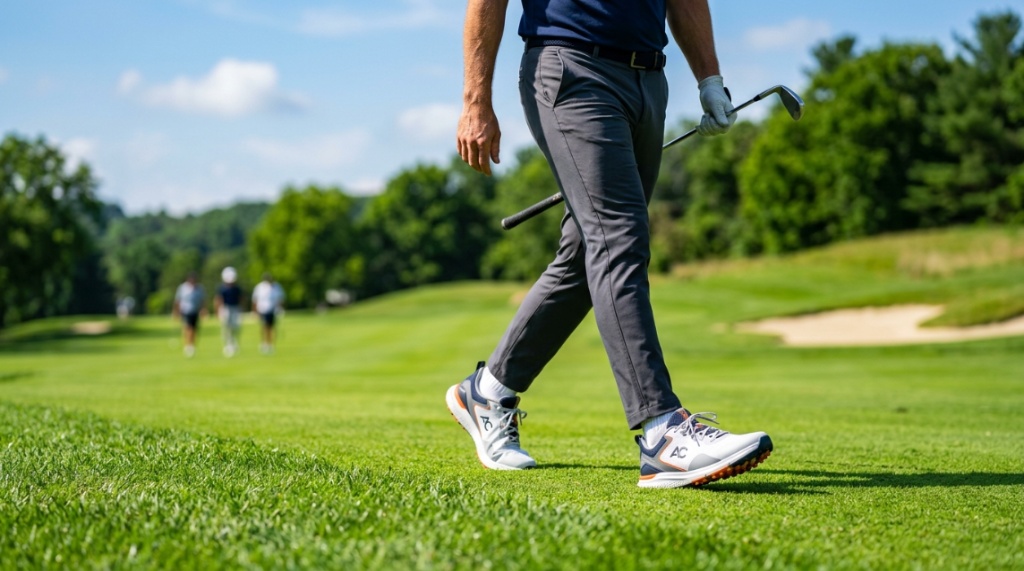
You know the feeling. It’s the 14th hole. feet are throbbing. lower back is tight. concentration is shot, and that three-foot putt you should make becomes a struggle. The culprit is often not your swing, but your footwear. Traditional golf shoes can be heavy, stiff, and unforgiving, punishing your body over 18 holes. The solution is prioritizing lightweight golf shoes comfort during your search. This guide will walk you through exactly how to select a pair that keeps you fresh from the first tee to the 18th green, so you can focus on lowering your score, not your discomfort.
Why Does Weight Matter So Much for Golf Shoes?
The weight of your shoe directly impacts energy expenditure. Every step you take on the course, you are lifting that shoe. A heavier shoe requires more energy per stride. Over 18 holes, a golfer typically walks between 5 and 7 miles. Reducing the weight of each shoe by just a few ounces can save your legs significant energy, reducing fatigue and allowing you to maintain a consistent swing plane late in the round. Lightweight shoes also encourage a more natural walking gait, which reduces joint strain.
The Physics of Walking in Golf
When you walk, your foot must accelerate, stop, and change direction with each step. A lighter shoe requires less force to move. This is not just about comfort; it is about performance. In a heavy shoe, your quadriceps and hip flexors work harder to swing your leg forward. By the back nine, this cumulative fatigue can lead to poor weight transfer and a loss of power. Lightweight footwear keeps your legs fresher.
What Materials Make a Golf Shoe Lightweight?
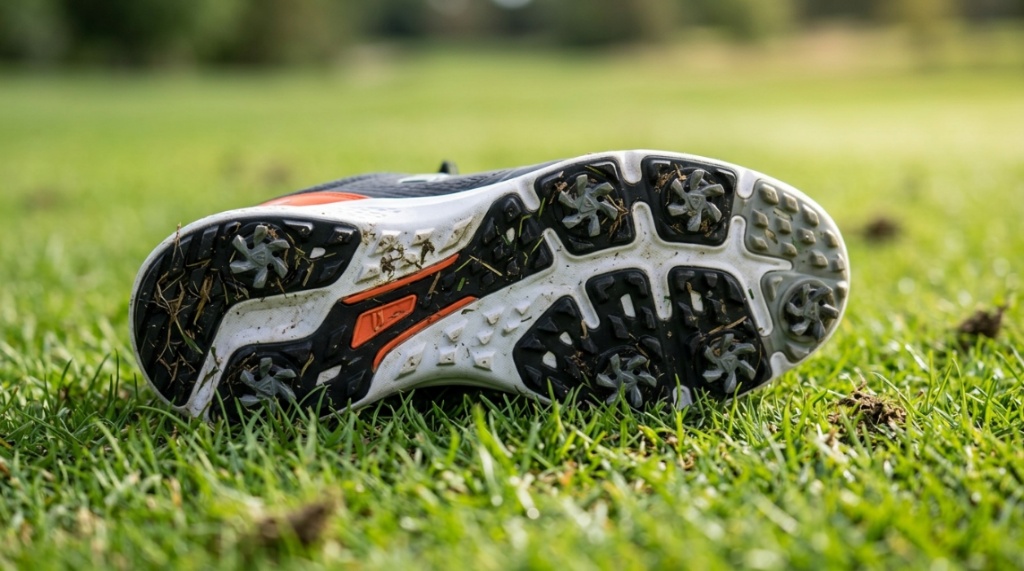
The primary materials dictating weight are the upper, the midsole, and the sole plate. Modern lightweight golf shoes use knitted mesh or engineered synthetics for the upper, replacing heavy leather. The midsole is typically made from EVA (ethylene-vinyl acetate) or a lightweight foam like PU (polyurethane). The outsole often uses a thin, spikeless rubber compound or a lightweight TPU chassis that provides grip without the bulk of traditional metal spikes.
Breaking Down the Components
- Upper: Look for Knit, Mesh, or Synthetic Leather. Knit offers the best breathability and lowest weight.
- Midsole: EVA is the most common lightweight material. Supercritical foams (like those used in running shoes) are premium options that offer even better energy return.
- Outsole: Spikeless rubber nubs are lighter than plastic spike plates. Integrated TPU ridges provide traction without added weight.
- Insole: A removable, lightweight foam insole can add a few grams but is critical for comfort.
How Does Spikeless vs. Spiked Affect Weight and Comfort?
Spikeless golf shoes are almost always lighter than spiked models. The absence of a heavy plastic chassis for holding spikes reduces weight by 1 to 3 ounces per shoe. This is the single most effective way to achieve immediate lightweight golf shoes comfort. Spikeless shoes also tend to be more versatile, allowing you to wear them to the driving range, the clubhouse, or even on hard pavement without the awkward walking feel of spikes.
Pros and Cons of Spikeless for Weight
| Spikeless | Spiked |
|---|---|
| Lighter (10-13 oz / shoe) | Heavier (13-16+ oz / shoe) |
| Better for walking on hard surfaces | Better for wet conditions and steep slopes |
| More casual, versatile look | Maximum traction in soft turf |
| Less “click-clack” sound when walking | Replaceable spikes (higher long-term cost) |
Which Type of Closure System is Best for Lightweight Shoes?
For maximum lightweight comfort, a lace-up closure is the best option. Traditional laces allow for a customizable fit without adding significant weight. While BOA dial systems (which use a wire) are convenient and provide a very precise fit, they add approximately 1 to 2 ounces per shoe due to the dials and internal cables. Velcro straps are the lightest option but offer less support and security. For most players, standard laces provide the best balance of weight, fit, and security.
How Should Lightweight Golf Shoes Fit Compared to Regular Shoes?
Lightweight golf shoes should fit snugly in the heel and provide a generous toe box. Because lightweight materials like knit stretch and conform to your foot, a fit that is too tight will cause pressure points. You should have about a thumb’s width of space between your longest toe and the end of the shoe. It is critical to try them on with the socks you intend to wear on the course. Unlike heavy leather shoes, lightweight synthetic shoes tend to break in quickly, so you want a “race car” fit from day one.
Can Lightweight Golf Shoes Provide Enough Traction?
Yes, modern lightweight golf shoes provide excellent traction for the vast majority of golf conditions. Spikeless outsoles are designed with hundreds of small rubber nubs, ridges, and channels that grip the turf effectively. For dry conditions and firm fairways, they offer more than enough stability for a powerful swing. For hilly courses or wet grass, look for a shoe with a more aggressive tread pattern or a hybrid outsole that combines a lightweight upper with a more substantial TPU grip area.
When to Choose Max Traction Over Maximum Weight Savings
If you play exclusively on a course with steep side-hill lies or often play in the early morning dew, a shoe that is slightly heavier (around 13 ounces) but has a more aggressive rubber tread or integrated TPU spikes will prevent slipping. Sacrifice a few grams for safety in these specific conditions.
How Do I Know if a Shoe Has Enough Cushioning?
Do not confuse lightweight with minimalist. A well-designed lightweight golf shoe uses advanced foam technologies to provide excellent cushioning without bulk. Look for terms like “cloud foam,” “energy return,” or “impact absorbing insole.” Press into the heel cushion. It should feel soft but springy, not hard. A good test is to walk on a hard surface for 30 seconds. If you feel the floor through the sole, the cushioning is insufficient for 18 holes.
What Are the Best Practices for Making a Lightweight Shoe Last Longer?
Lightweight shoes, particularly those with knit uppers, require different care than heavy leather shoes. To extend their life, clean them after each round with a soft brush and warm water to remove dirt and grass. Always let them air dry naturally away from direct heat sources like radiators or sunlight, which can break down the lightweight foam. Use shoe trees to help them retain their shape. Spikeless outsoles will wear down faster on pavement, so try to only wear them on turf.
Are More Expensive Lightweight Golf Shoes Worth It?
Generally, yes, for performance and durability. Budget lightweight shoes often use basic EVA foam that flattens out after 20-30 rounds. Premium shoes use proprietary foams (like Adidas Boost, Skechers Arch Fit, or ECCO FLUIDFORM) that retain their bounce for hundreds of rounds. They also use better mesh and synthetic materials that resist stretching out of shape. You are paying for the longevity of the comfort features. However, there are excellent mid-range options that offer a great balance of weight, cushioning, and price.
Price vs. Comfort: A Quick Guide
- $100 – $130: Good lightweight materials, decent EVA foam, reliable traction.
- $130 – $170: Excellent cushioning foams, knit uppers, superior breathability.
- $170+: Premium materials, advanced energy return foams, exceptional fit, and durability.
Which Lightweight Golf Shoes Are Best for Wide Feet?
Golfers with wide feet should specifically look for brands that offer E or EE widths in their lightweight models. New Balance and Skechers are industry leaders for wide-fit lightweight shoes. FootJoy also offers their popular models in wide sizes. Avoid knit uppers that are too stretchy, as they can collapse and not provide enough lateral support for a wider foot. Look for a structured knit or a lightweight synthetic that offers more stability while remaining flexible.
Optimizing your footwear ensures you stay fresh across all eighteen holes, but personal flair matters too. While upgrading your gear, don’t overlook your accessories—check out these custom Golf Ball Markers in Texas for Players Who Want Style to stand out on the green.
Conclusion
Choosing the right lightweight golf shoe isn’t just about saving a few ounces on the scale. It is about preserving your energy, protecting your joints, and improving your focus on the back nine. Prioritize spikeless designs for maximum weight reduction, ensure a proper fit with a generous toe box, and never compromise on cushioning technology. With the right pair, you will walk lighter, swing fresher, and enjoy your round from start to finish. What is your next step? Review your current shoes, identify where they are failing you, and use this guide to find a pair that supports your game, not your fatigue.
Frequently Asked Questions
Are lightweight golf shoes durable enough for regular use?
Yes, but durability depends on materials. Models with knit uppers and rubber outsoles will last for 1-2 seasons of regular play. Leather or synthetic uppers with TPU outsoles offer greater longevity, but are slightly heavier.
Do lightweight golf shoes work well in wet conditions?
Most lightweight shoes are not fully waterproof. Some use waterproof membranes (like Gore-Tex) which adds a little weight but keeps feet dry. For wet conditions, choose a model with a 1-2 year waterproof warranty and an aggressive outsole.
Can I use lightweight golf shoes for walking on concrete?
Yes, but it will accelerate wear on the spikeless rubber nubs. They are comfortable on concrete for short distances. For extensive walking on hard surfaces, consider a shoe with a flatter, more durable outsole rubber.
What is the average weight of a lightweight golf shoe?
Most lightweight golf shoes weigh between 10 and 13 ounces per shoe for a men’s size 9. This is significantly lighter than traditional shoes, which can weigh 15-18 ounces. Women’s sizes typically weigh 2-3 ounces less.
How do I clean lightweight golf shoes?
Remove the insoles and laces. Use a soft brush and mild soap with warm water. For mesh uppers, a gentle scrub is best. Do not machine wash. Air dry away from direct heat to preserve the foam and adhesives.
Do golf pros wear lightweight shoes?
Many professional golfers have transitioned to lightweight, spikeless shoes for comfort and energy efficiency. They prefer the ground feel and reduced fatigue, especially in warm weather and on easier walking courses.