
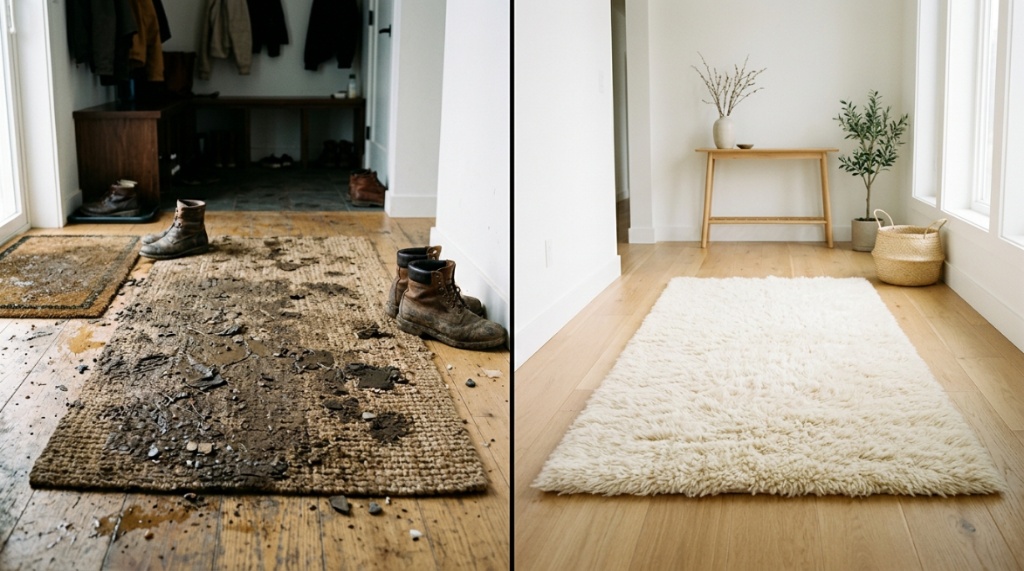
You step inside after a long Michigan winter walk, and there it is—a dark, grimy ring of slush staining your entryway floor. That mix of melted snow, road salt, dirt, and sand doesn’t just look bad; if left untreated, it can dull your flooring’s finish and even cause long-term damage. You need a solution that works fast and effectively, and that’s where a Shark cleaner for slush stains comes into play. These powerful machines are designed to tackle the gritty residue that traditional mopping leaves behind. In this guide, we’ll walk you through exactly how to identify, treat, and prevent slush stains using your Shark floor cleaner, saving you time and protecting your floors all season long.
What Exactly Is a Slush Stain and Why Is It So Hard to Remove?
A slush stain is a complex mixture of water, dissolved road salts, fine particulate matter (sand and grit), and sometimes oil or chemical residues from pavement. Unlike a simple mud stain, the salt content can be corrosive, and the fine grit acts like sandpaper underfoot.
The Science Behind the Stain
When slush dries, the water evaporates, leaving behind a concentrated layer of salt crystals and abrasive particles. These crystals can bond to porous floor surfaces like unsealed tile grout or natural stone. On sealed hardwood or luxury vinyl, the grit creates micro-scratches that trap future dirt, making subsequent cleaning harder. The stain isn’t just on the surface; it’s chemically and mechanically bonded.
Why Your Mop Fails Against Slush
Traditional mopping often pushes the salty, gritty water around rather than lifting it. The mop head becomes saturated quickly, and you end up redepositing the contaminants across the floor. A Shark cleaner, with its powerful suction and targeted spray, lifts the dirty water away from the floor and into a separate tank, preventing the slush residue from being spread around.
Identifying Slush Stain Damage
Look for a dull, hazy film on your floors, often accompanied by a white, powdery residue once the floor dries. On carpets or rugs near entry points, slush stains appear as dark, irregular rings with a stiff, crusty texture. If you run your hand over a hard floor and feel a slight gritty texture, you have dried slush residue.
Can You Use a Shark Cleaner on All Types of Slush Stains?
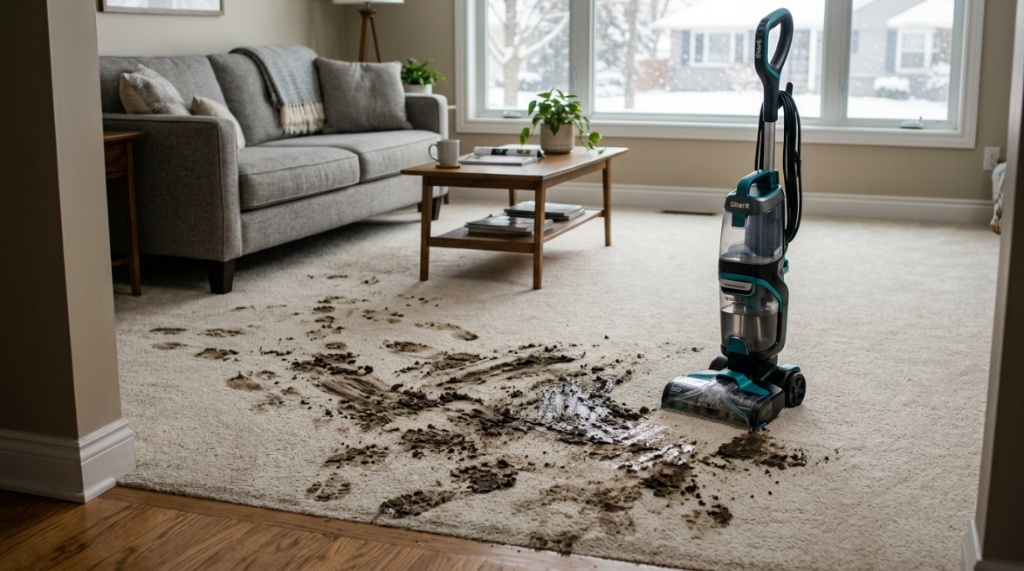
Yes, a Shark cleaner is versatile enough to handle slush stains on sealed hard floors, area rugs, and low-pile carpet, provided you use the correct setting and solution. However, you must avoid using it on unsealed natural stone, unfinished wood, or delicate silk rugs.
Hardwood Floors and Slush
For sealed hardwood, use a Shark cleaner for slush stains with the hardwood-specific setting and a pH-neutral cleaning solution. Do not oversaturate the floor. The key is to use the machine’s controlled spray and immediate suction to remove the salty water before it seeps into the seams. Run the cleaner in straight lines parallel to the wood grain.
Tile, Vinyl, and Laminate Floors
These surfaces are the most forgiving. Slush stains on tile and vinyl can be removed aggressively. Use the standard hard floor setting. For stubborn, dried-on slush rings, pre-treat the area by spraying a diluted vinegar solution (1 cup white vinegar to 1 gallon warm water) directly onto the stain, let it sit for 30 seconds, then run the Shark over it. The combination of the acidic solution and the machine’s scrubbing action breaks down the salt bonds.
Area Rugs and Carpets
Shark’s carpet cleaning models are excellent for slush stains on rugs. Switch to the carpet setting. Do not use floor cleaning solutions on carpets; use only Shark’s approved carpet cleaning formula. The machine will inject the solution, scrub the fibers, and extract the dirty slush water. For tough stains, make multiple slow passes over the affected area until the extracted water runs clear.
How to Prepare Your Shark Cleaner for Slush Stain Removal
Proper preparation ensures you don’t spread the stain or damage your machine. Start by removing loose dirt and salt crystals with a broom or dust mop. Then, fill your Shark’s clean water tank with hot water (not boiling) and the appropriate cleaning solution.
Choosing the Right Cleaning Solution
Use a solution specifically formulated for slush and grime removal. Avoid using too much soap, which can leave a sticky residue that attracts more dirt. Look for a solution that includes a degreaser and a salt-neutralizing agent. Many Shark-approved formulas are designed for this purpose. If you are in a region with heavy road salt, consider a solution with a low pH to counter the alkaline salts.
Inspecting and Cleaning the Shark’s Brushes
Before you start, check the brush roll for tangled hair or debris. Slush contains fine grit that can get lodged in the bristles. A dirty brush roll reduces cleaning effectiveness. Remove any visible debris and ensure the brush roll spins freely. If your model has a self-cleaning brush roll, activate that cycle before use.
Setting Up for Success
Plan your cleaning path. Start from the farthest corner of the room and work your way back to the door, so you don’t walk over the cleaned area. Have a dry microfiber cloth ready to wipe away any excess moisture from baseboards or corners that the Shark might miss. Ensure the dirty water tank is empty and clean before you begin.
What Is the Best Technique to Remove Slush Stains from Hard Floors?
The best technique involves a two-pass method: a wet pass to loosen the stain and a dry pass to extract the moisture. This prevents the salty water from drying back onto the floor and creating a new hazy film.
The Wet Pass for Deep Cleaning
Press the trigger to spray the cleaning solution onto the slush stain. Move the Shark forward and backward slowly (about two seconds per foot) over the stain. The slow speed allows the brush roll to agitate the grime. Focus on the darkest areas of the stain. You will see the dirty water being pulled up into the nozzle. Repeat this 2-3 times for heavy traffic areas near the door.
The Dry Pass to Prevent Water Spots
After the wet pass, release the trigger and make a final forward pass over the same area. Do not spray. This dry pass uses the machine’s powerful suction to lift the remaining moisture and any loosened residue off the floor. This step is critical for preventing the white, hazy salt residue from reappearing as the floor dries.
Using the Edge and Corner Tools
Slush stains love baseboards and corners. Most Shark models come with a detachable pod or a handheld mode. Use this to clean along baseboards and in tight corners. Spray the solution directly onto a microfiber cloth attached to the tool or spray the corner, then use the tool’s suction to remove the dirty water. This prevents buildup in hard-to-reach areas.
How Do You Remove Dried Slush Stains from Carpet?
Dried slush stains on carpet require a different approach because the salt crystals have penetrated deep into the carpet fibers and backing. You must rehydrate the stain before you can extract it.
Breaking Down the Salt Crystals
Mix a solution of 2 cups warm water with 1 teaspoon of mild dish soap and 1 tablespoon of white vinegar. Using a spray bottle, lightly mist the dried slush stain. Do not soak the carpet. Let the solution sit for 2-3 minutes to dissolve the salt crystals. This step is essential; without it, the Shark will only pull up the surface grit, leaving the salt behind.
Using the Shark Carpet Setting
Fill your Shark’s clean water tank with the carpet cleaning solution. Set the mode to “Carpet.” Make slow, overlapping passes over the treated stain. Apply the solution with the trigger, then release the trigger and make two dry passes to extract the moisture. You may need to empty the dirty water tank mid-job, as the water will be very dark and gritty.
Rinsing to Remove Soap Residue
After the stain is removed, fill the clean water tank with plain hot water (no soap). Run the Shark over the carpet again without spraying. This rinses the soap and any remaining salt residue out of the carpet fibers. If you skip this step, the soap residue will attract dirt and create a new stain within days.
How to Prevent Slush Stains from Returning This Winter
Prevention is far easier than removal. By creating a barrier and a cleaning routine, you can drastically reduce the amount of slush that makes it onto your floors. Most of the battle is won before you even pick up your Shark cleaner.
Create a “Slush Buffer Zone” at Entryways
Place high-absorbency, washable mats both outside and inside every door. The outside mat scrapes off the bulk of the slush, while the inside mat absorbs the melted water and salt. Wash these mats weekly in hot water to remove the salt buildup. This single step can reduce your floor cleaning workload by 70%.
Use a Shark Cleaner for Slush Stains for Daily Spot Cleaning
Make it a habit to use your Shark cleaner for slush stains every evening during the winter months. A quick 3-minute pass over the entryway and high-traffic areas prevents the salty grime from drying and bonding to the floor. A daily quick clean is always faster than a weekly deep stain removal session.
Apply a Floor Sealant or Wax Protector
If you have tile or natural stone floors, apply a high-quality, water-based sealant before winter begins. This creates an invisible barrier that prevents the salt and moisture from penetrating the pores of the stone or grout. For hardwood floors, a fresh coat of wax or a polyurethane refresher can provide similar protection. Sealants make your Shark cleaner much more effective.
When Should You Replace Your Shark’s Brushes or Pads?
Worn-out brushes or pads are the number one reason why a Shark cleaner fails to remove slush stains effectively. The abrasive nature of road salt and grit accelerates wear on the machine’s components.
Signs Your Brush Roll Needs Replacing
If you notice that the machine is leaving streaks or isn’t scrubbing the stain as well as it used to, the bristles may be worn down. Look for flattened or bent bristles. Also, if the brush roll makes a louder than normal noise, it may be damaged. Replace the brush roll every 6-8 months during heavy winter use.
When Pads Become Less Absorbent
If you use a Shark model with washable pads, check their absorbency. Over time, detergent and mineral buildup from hard water and salt can make the pads less absorbent. They will start to just push the water around instead of absorbing it. If the pads feel stiff or repellant, replace them. A good rule of thumb is to replace them every 3-4 months.
Maintaining the Suction and Nozzle
Check the suction nozzle for cracks or wear. A cracked nozzle loses suction power, making it impossible to lift the slush water. Clean the nozzle with a damp cloth after each use to remove salt buildup. If you notice a loss of suction, check the nozzle and the dirty water tank seal.
What Are the Common Mistakes People Make When Using a Shark on Slush?
A few simple errors can turn a good cleaning session into a disaster. Avoiding these mistakes will save you time, protect your floors, and extend the life of your Shark machine.
Using Too Much Cleaning Solution
More soap does not mean cleaner floors. Excess solution leaves a sticky film that traps future dirt and salt. This creates a new, stickier stain. Always follow the manufacturer’s recommended dilution ratio. For slush stains, less solution and more mechanical scrubbing is the winning formula.
Once your carpets are pristine and free of winter grime, you can focus on elevating the rest of your living space. Cleaning up stubborn messes is just the first step to revitalizing your environment; consider applying the principles of Feng Shui at home to ensure positive energy flows effortlessly through your newly refreshed, spotless rooms.
Letting the Stain Dry Before Cleaning
This is the most common mistake. Salt and grit bond to floors as they dry. If you wait until the weekend to clean a slush stain from Wednesday, you will have to scrub much harder. The Shark cleaner for slush stains works best when the stain is still semi-wet or freshly dried. Clean high-traffic areas daily.
Ignoring the Dirty Water Tank
A full dirty water tank reduces suction significantly. If the tank is full, the machine cannot pull up the slush water, and you will just be swishing it around. Empty the tank before it reaches the “full” line. After cleaning slush, rinse the tank thoroughly to remove salt crystals that can corrode the seals.
How to Deep Clean Your Shark Machine After Slush Season
Road salt is corrosive. If you do not clean your Shark machine properly at the end of the winter, the salt residue can damage the pump, seals, and plastic components. A quick post-season maintenance routine adds years to your machine’s life.
Flushing the Water System
Fill the clean water tank with a mixture of 1 part white vinegar to 3 parts water. Run the machine over a bare floor or in a utility sink until the tank is empty. The vinegar will dissolve any salt and mineral deposits inside the machine’s internal tubing and pump. Follow this by running a full tank of clean water to rinse the vinegar out.
Deep Cleaning the Brush Roll and Nozzle
Remove the brush roll according to the manufacturer’s instructions. Soak it in warm, soapy water to remove salt and grit buildup. Use an old toothbrush to clean the bristles. Wipe down the nozzle and the area around the brush roll with a damp cloth. Let all parts dry completely before reassembling the machine for storage.
Storing the Machine Properly
Store your Shark in a dry, climate-controlled area. Do not store it in an unheated garage or shed, as extreme cold can damage the plastic and batteries. Leave the dirty water tank slightly open to allow air circulation and prevent mold growth. A well-stored machine is ready to tackle next year’s slush with full power.
Frequently Asked Questions
Can I use bleach in my Shark cleaner to remove slush stains?
No. Never use bleach in a Shark cleaner. Bleach can damage the internal components, void your warranty, and release harmful fumes. Stick to Shark-approved cleaning solutions or a mild vinegar and water mixture for tough salt stains.
Why does my floor look cloudy after cleaning slush with my Shark?
A cloudy or hazy floor usually indicates that salt residue or soap was left behind. This happens when you use too much solution or do not perform a dry pass over the floor. Use less solution and always finish with a dry pass to extract all moisture.
Can a Shark cleaner remove road salt from leather boots?
No. A Shark cleaner is for floors and carpets only. For leather boots, wipe the salt away with a damp cloth, then apply a leather conditioner. The abrasive action of a Shark cleaner would ruin the leather’s finish.
How often should I run my Shark cleaner to prevent slush buildup?
During the winter, run your Shark cleaner in entryways and high-traffic areas daily. A 3-5 minute daily pass prevents the slush from drying and bonding to the floor. For the rest of the house, a weekly cleaning is usually sufficient.
Is it safe to use a Shark cleaner on heated floors?
Yes, most Shark floor cleaners are safe for use on radiant heated floors. However, do not allow water to pool on the floor, as this could affect the heating system. Use the machine’s controlled spray and dry pass to keep moisture to a minimum.
What is the best Shark model for heavy slush stains?
Models with a detachable pod, a self-cleaning brush roll, and strong suction are best for slush. The Shark Navigator Lift-Away or the Shark Rocket are popular choices because of their versatility and power. Look for models specifically designed for pet owners, as they often have stronger scrubbing power.
Conclusion
Slush stains don’t have to ruin your floors or your winter mood. With the right technique and a quality Shark cleaner for slush stains, you can keep your home looking clean and well-maintained even during the messiest months. Remember to act fast, use the correct settings for your floor type, and always finish with a dry pass to prevent salt residue. Don’t let winter grime win. Take the first step today: clean your entryway, check your machine’s brush roll, and set a daily cleaning routine. Your floors will thank you, and you’ll spend less time scrubbing and more time enjoying the cozy season indoors.