
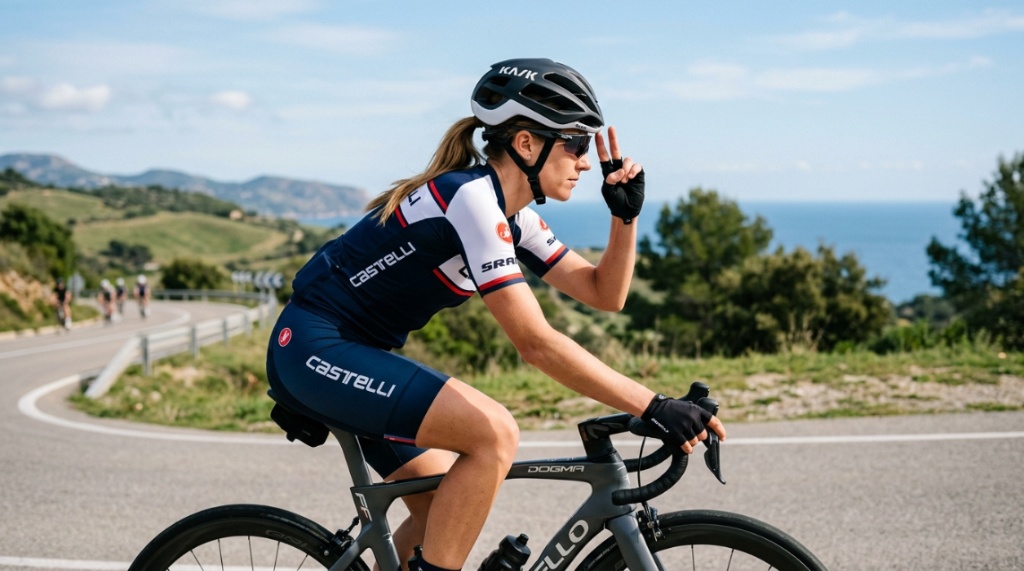
You are staring at a wall of helmets. Some are $30 others are $300. You know you need protection, but you also know that spending more does not automatically mean better safety. The real trick is finding a helmet that fits well—a money-saving strategy that prioritizes your safety without emptying your wallet. Most riders buy a helmet that is either too loose, too tight, or overpriced for the level of protection it offers. The good news is that the perfect balance of fit, safety certification, and affordability exists—you just need to know what to look for. This guide will walk you through the exact process of finding a helmet that protects your head and your budget.
What Does “Helmet Fits Well” Actually Mean?
A well-fitting helmet is one that stays securely on your head during impact, does not shift around during normal riding, and feels comfortable enough to wear for extended periods. Fit is not about size alone—it is about shape, adjustment, and contact points.
The Three Pillars of Helmet Fit
First, the helmet should sit level on your head, not tilted back or forward. The front edge should be about one inch above your eyebrows. Second, the side straps should form a “V” shape around your ears. Third, when you shake your head, the helmet should move with your skin, not slide independently.
Round vs. Oval Head Shapes
Many people do not realize that helmet brands cater to different head shapes. If you have a round head, look for brands like Giro or Nutcase. If your head is more oval, brands like Bell or Lazer tend to fit better. Trying on multiple brands is essential because the same size across different brands will fit completely differently.
The “No-Gap” Rule
Place the helmet on your head without fastening the straps. If it rocks back and forth or leaves a gap between your forehead and the padding, it is the wrong shape. A proper fit means the padding contacts your head evenly all the way around.
Why Does a Poorly Fitting Helmet Waste Your Money?
Buying a cheap helmet that does not fit is the most expensive mistake you can make. You will either replace it soon because it is uncomfortable, or worse, it will fail to protect you when you need it most.
The Cost of Discomfort
An ill-fitting helmet often sits unused on a shelf. If you spend $40 on a helmet that hurts after ten minutes, you are more likely to ride without it. That $40 becomes a waste because you are not protected at all. A slightly more expensive option that fits comfortably is actually cheaper in the long run because you actually wear it.
Safety Compromises
A loose helmet can rotate on your head during a crash, exposing parts of your skull to impact. A helmet that is too tight can create pressure points that distract you while riding. Neither scenario offers the protection you paid for. The helmet fits well saves money approach means understanding that true value comes from protection you can trust, not just a low price tag.
Return and Replacement Costs
Buying a helmet online without trying it on often leads to return shipping fees and restocking charges. If you buy locally and guess your size, you might end up buying two or three helmets before finding the right one. That adds up fast.
How to Measure Your Head for a Helmet Correctly
Measuring your head is a straightforward process, but most people do it wrong. Using a cloth measuring tape, wrap it around your head about one inch above your eyebrows, just above your ears, and around the largest part at the back of your skull.
Using a String Method
If you do not have a measuring tape, use a piece of string and then lay it against a ruler. Make sure the string is snug but not tight. Write down the measurement in centimeters, as most helmet sizing charts use metric measurements.
Understanding Size Charts
Most brands define a medium as 55–58 cm and a large as 59–61 cm. However, these ranges vary. Always check the specific brand’s size chart rather than assuming your hat size translates directly. When between sizes, choose the smaller size if the shape is round, and the larger if the shape is oval.
The One-Second Check
Once you have the helmet on, try to insert two fingers between your forehead and the front padding. If you can fit more than two fingers, the helmet is too big. If you cannot fit even one finger, it is too small.
Which Safety Certifications Matter Most for Your Wallet?
The cheapest helmet with proper certification is often safer than an expensive helmet with no certification. Safety certifications are not about premium materials—they are about passing standardized impact tests.
CPSC Certification Is the Minimum Standard
In the United States, the CPSC (Consumer Product Safety Commission) standard is the baseline for all bike and skate helmets sold legally. A helmet that passes CPSC testing has proven it can withstand a significant impact. You can find CPSC-certified helmets for under $30.
ASTM F1492 for Skate and Multi-Sport Use
If you are skateboarding or doing tricks, look for ASTM F1492 certification. This standard tests for multiple impacts, which is common in skateboarding. A helmet that meets this standard may cost slightly more, but it is designed for the specific forces involved in skating.
Dual Certification Is the Sweet Spot
Many affordable helmets now carry both CPSC and ASTM certifications. This means you get bike-level protection and skate-level durability in one product. Paying extra for dual certification is worth it if you switch between cycling and skating.
How to Spot a High-Quality Affordable Helmet

You do not need to spend $150 to get a great helmet. Affordable helmets today use the same safety foams and basic construction as expensive models. The difference often comes down to features you may not need.
EPS Foam vs. MIPS Technology
EPS (expanded polystyrene) foam is the standard impact-absorbing material in all helmets. MIPS (Multi-directional Impact Protection System) adds a low-friction layer that reduces rotational forces. MIPS adds about $20–$40 to the price. For casual riders, EPS alone is sufficient. For aggressive skaters or mountain bikers, MIPS is a worthwhile upgrade.
Ventilation vs. Coverage
More vents mean more airflow, but also less foam coverage and lower protection in some areas. Affordable helmets with fewer vents often offer better overall coverage. If you ride in hot weather, prioritize ventilation. If you are a weekend cruiser, fewer vents are fine and will save you money.
Adjustable Fit Systems
Look for a dial or ratcheting system at the back of the helmet. This allows you to fine-tune the fit without changing the shell size. A good retention system can turn a borderline fit into a perfect one. This feature is common in helmets priced above $40 and is worth the extra cost.
Can You Buy a Used Helmet to Save Money?
Buying a used helmet is a high-risk gamble that rarely saves money in the long term. Helmets are designed for single-impact use, and you cannot see internal damage from a previous crash.
The Hidden Damage Problem
Even if a used helmet looks perfect on the outside, the EPS foam may have compressed from a previous impact. Hairline cracks in the foam are invisible to the naked eye. A helmet that has been dropped from waist height onto concrete can lose up to 30% of its impact absorption capacity.
Sweat and Material Degradation
Foam degrades over time due to sweat, UV exposure, and temperature changes. A helmet that is more than three years old, even if unused, may have compromised structural integrity. Saving $20 on a used helmet could cost you far more in medical bills.
When Buying Used Is Acceptable
The only exception is buying from a trusted friend who can confirm the helmet has never been crashed or dropped. Even then, replace the padding and inspect the foam carefully. Otherwise, stick to new helmets with full warranty coverage.
Where to Find Affordable Helmets That Fit Right
The best place to buy a helmet depends on whether you prioritize trying it on in person or finding a bargain online. Both options have advantages, but fit must come first.
Local Bike and Skate Shops
Local shops allow you to try on multiple brands and sizes in one trip. Staff can often help you identify your head shape and recommend specific models. The prices may be slightly higher than online, but you eliminate fit guesswork. Many shops also offer price matching.
Online Retailers with Free Returns
If you shop online, use retailers that offer free returns and exchanges. Order two sizes of the same model, try them on at home, and return the one that does not fit. Amazon, REI, and Competitive Cyclist have generous return policies for helmets.
Seasonal Sales and Clearance Models
Helmet models change every year, but safety standards do not. Last year’s colorway or design is often available at a 30–50% discount. Look for clearance sections on reputable cycling websites. The protection is identical to the current model.
How to Test Helmet Fit Before You Buy
You can perform a simple five-second test in the store or at home to verify fit quality. This test takes longer to describe than to do, but it reveals everything about whether the helmet will work for you.
The Roll-Off Test
Fasten the chin strap snugly. Then try to roll the helmet forward off your head by pushing up from the back. If it moves more than an inch or comes off, the fit is wrong. Try a smaller size or a different shape.
The Side-to-Side Test
Grab the helmet by the sides and try to twist it left and right. Your skin should move with the helmet. If the helmet slides over your skin, the fit is too loose. This test is especially important for skate helmets, which need to stay put during tricks.
The Strap Adjustment Check
Adjust the side straps so they meet just below your earlobes. The chin strap should be tight enough that you cannot fit more than two fingers between the strap and your chin. A properly adjusted strap system prevents the helmet from shifting in a crash.
How Much Should You Spend on a Helmet That Fits Well?
The price range for a quality, well-fitting helmet is wider than most people expect. You can get excellent protection for $40–$70, while spending above $100 usually adds weight savings, better ventilation, or premium features like MIPS.
The $30–$50 Budget Range
This bracket includes basic CPSC-certified helmets from major brands. They use standard EPS foam, simple strap systems, and basic padding. They are heavier and less ventilated, but they provide adequate protection. This is the best option for casual riders on a tight budget.
The $50–$90 Mid-Range
This is the sweet spot for most riders. Helmets in this range often include adjustable fit systems, better ventilation, and ASTM certification for multi-sport use. Some models in this bracket also include MIPS. You get the best balance of protection, comfort, and price.
The $90–$150 Premium Range
Premium helmets use lighter materials, have more vents, and include MIPS as standard. They are ideal for serious cyclists and skaters who ride daily. The higher cost does not mean better safety—it means better comfort and features. Only spend this much if you ride frequently or need specific performance features.
What Common Mistakes Cause People to Waste Money on Helmets?
Most people accidentally waste money on helmets because they prioritize the wrong factors. Knowing these common mistakes helps you avoid them and choose a helmet that truly works.
Choosing Style Over Safety
Picking a helmet because it matches your bike or looks cool is the most common mistake. A stylish helmet that fits poorly offers no real protection. Safety certifications and fit should always come first, and style second.
Assuming Expensive Equals Safer
Higher-priced helmets often add aerodynamic features, magnetic buckle systems, or premium paint jobs. These features improve the user experience but do not make the helmet safer. A $40 CPSC-certified helmet provides the same impact protection as a $200 model under the same standard.
Skipping the Fit Check Entirely
Buying a helmet online without measuring your head or checking the return policy leads to frustration and wasted money. Always measure your head, check the brand’s size chart, and verify the return policy before purchasing, When shopping for the right headgear, consider the type of riding you do most. If you hit the trails on weekends, prioritizing ventilation and a featherlight design will keep you comfortable. Look specifically for a Lightweight Mountain Bike Helmet for Long Rides to prevent neck fatigue during extended trail sessions.
Frequently Asked Questions
How long does a helmet last before it needs replacement?
Most manufacturers recommend replacing a helmet every three to five years, even if it has never been crashed. UV exposure, sweat, and temperature changes degrade the foam over time. Always replace a helmet immediately after any significant impact.
Can I wear a bike helmet for skateboarding?
Yes, but only if the helmet has ASTM F1492 certification. Standard CPSC bike helmets are designed for single impacts, which is common in cycling. Skateboarding involves multiple low-level impacts, requiring a helmet with multi-impact certification for full protection.
Is a more expensive helmet lighter and more comfortable?
Generally yes, but not always. Higher-priced helmets use lighter materials and better padding systems, which improve comfort during long rides. However, a well-fitted mid-range helmet can be just as comfortable as a premium model for short to medium rides.
How should a skate helmet fit differently than a bike helmet?
A skate helmet typically sits lower on the head and covers more of the back of the skull. The fit should be snugger because skate impacts often involve backward falls. Bike helmets generally sit higher and focus on frontal and side protection.
Can I adjust the fit of a helmet that is slightly too big?
If the helmet is only slightly large, an adjustable retention system or thicker padding can improve the fit. However, if the shell itself is too large, additional padding will not fix the fundamental problem of excessive movement during an impact.
What is the difference between MIPS and standard EPS foam?
MIPS is a low-friction layer between the foam and your head that allows the helmet to rotate slightly on impact. This reduces rotational forces that can cause brain injuries. Standard EPS foam absorbs linear impact forces. MIPS adds protection against angled impacts.
Do I need a full-face helmet for casual riding?
No, a full-face helmet is overkill for casual street riding or commuting. It adds weight, reduces ventilation, and costs significantly more. Full-face helmets are designed for downhill mountain biking, BMX racing, or aggressive skate park riding where face impacts are likely.


