You have spent hours scrolling through bike listings, but every model looks the same: two wheels, a frame, and handlebars. Yet the prices range from a few hundred dollars to several thousand. Something is missing. The problem is that without understanding mountain bike features, you cannot tell why one bike costs three times more than another. You risk either overpaying for features you will never use or buying a budget bike that fails on your very first trail. This guide solves that problem by breaking down every mountain bike specification that actually matters, so you can match the bike to your riding style and budget.
What Are the Most Important Mountain Bike Features for Beginners?
The most important mountain bike features for beginners are frame material, suspension type, wheel size, and drivetrain simplicity. These four specifications determine how the bike feels, how much maintenance it needs, and how forgiving it is on rough terrain. Focus on these before considering weight or premium components.
Start with the frame. Aluminum is the standard for beginners because it is affordable, durable, and relatively light. Steel offers a smoother ride but adds weight. Carbon fiber is expensive and unnecessary for new riders. Next, suspension. Hardtail bikes (front suspension only) are perfect for beginners. They are easier to pedal uphill, cheaper to maintain, and teach you proper body positioning. Full-suspension bikes absorb more bumps but cost more and require more skill to ride efficiently.
Wheel size matters more than most people realize. 29-inch wheels roll over obstacles easily and maintain speed well. 27.5-inch wheels are more maneuverable and accelerate faster. For general trail riding, 29-inch wheels offer the best balance for beginners. Finally, keep the drivetrain simple. A 1x drivetrain (single front chainring) eliminates the front derailleur, reduces confusion, and drops chain risk. Look for a wide-range cassette (11-42T or larger) for climbing ability.
Frame Material Quick Guide
- Aluminum: Best value, good strength, moderate weight.
- Steel: Durable, smooth ride, heavy.
- Carbon Fiber: Lightweight, expensive, best for experienced riders.
- Titanium: Premium, lightweight, very expensive.
How Does Suspension Type Affect Your Riding Experience?
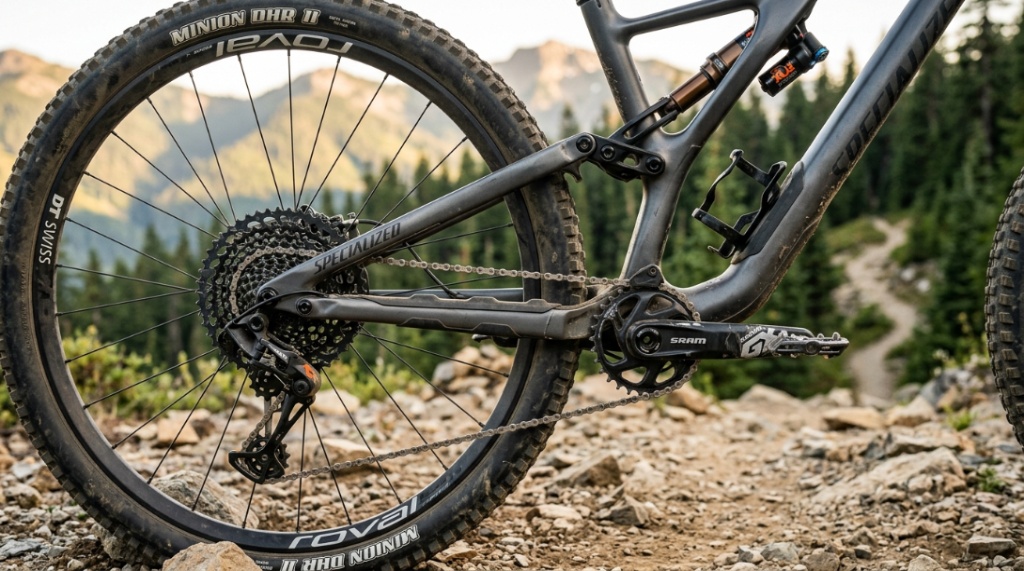
Suspension type directly controls traction, comfort, and control. Hardtail bikes (front suspension only) provide efficient pedaling and lower weight, making them ideal for cross-country riding and smooth trails. Full-suspension bikes (front and rear suspension) offer superior grip and comfort on rough, technical terrain but add weight and cost.
Think of suspension as your bike’s shock absorber for both bumps and pedaling forces. A hardtail forces your legs to absorb trail vibrations, which builds skill but can fatigue you faster on long descents. A full-suspension bike keeps the rear wheel planted on the ground over roots and rocks, maintaining traction when climbing and descending. The trade-off is that full-suspension bikes cost at least $500 more for an entry-level model compared to a similar hardtail.
For most recreational riders riding blue (intermediate) trails, a hardtail with 100-130mm of front travel is the sweet spot. If you ride rocky, rooty terrain frequently or prioritize descending comfort, save for a full-suspension bike with 120-140mm of travel.
Which Wheel Size Is Right for Your Riding Style?
29-inch wheels are best for rolling over obstacles and maintaining momentum on open trails. 27.5-inch wheels offer quicker handling and easier acceleration, making them better for tight, twisty singletrack. 26-inch wheels are now rare and generally outdated. Your height and the terrain you ride should guide your choice.
Here is a practical breakdown:
- 29-inch (29ers): Better for riders over 5’8″. They roll over rocks and roots with less effort. They maintain speed well on descents. They are less agile in tight corners.
- 27.5-inch: Better for riders under 5’8″ or those who prioritize maneuverability. They accelerate faster and feel more playful. They require more effort to maintain speed over rough terrain.
Many modern bikes offer “mullet” setups (29-inch front, 27.5-inch rear) that combine the benefits of both, but these are typically found on higher-end models. For your first bike, choose based on your height: 29-inch if you are tall, 27.5-inch if you are shorter or prioritize agility.
How Do Brake Types Compare?
Disc brakes are the standard for modern mountain bikes, and hydraulic disc brakes are far superior to mechanical disc brakes. Hydraulic brakes provide stronger, more consistent stopping power with less hand effort, especially in wet or muddy conditions. Mechanical disc brakes use a cable and are cheaper but require more hand strength and frequent adjustment.
Never buy a mountain bike with rim brakes. They are outdated and dangerous on steep terrain. For hydraulic discs, look for brands like Shimano (Deore or better) or SRAM (Level or Guide). Entry-level bikes often come with Tektro or off-brand hydraulic brakes that still outperform mechanical discs significantly. If your budget is tight, prioritize hydraulic brakes over a better drivetrain or lighter frame. Good brakes inspire confidence and keep you safe.
What Drivetrain Specifications Should You Look For?
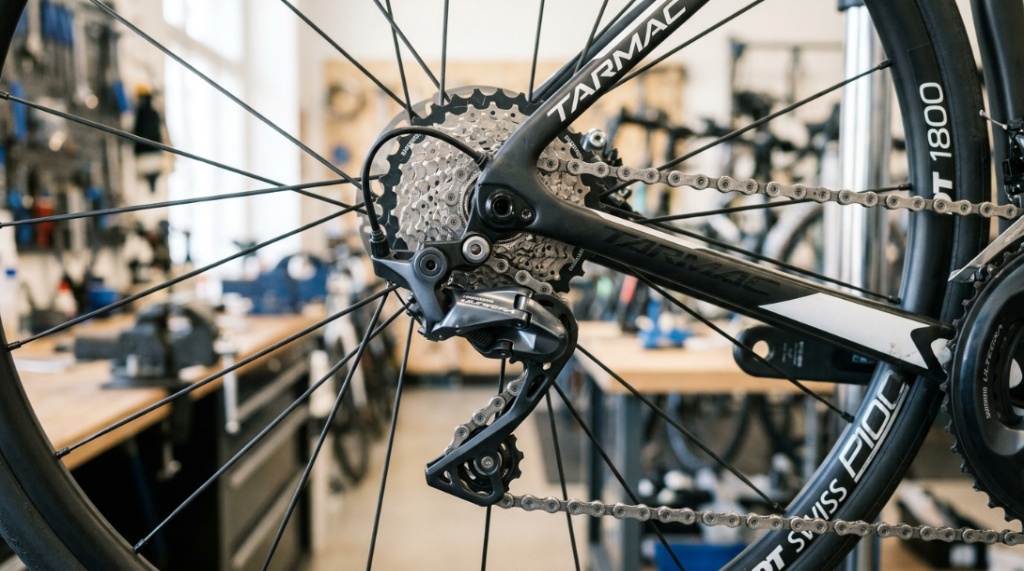
Look for a 1x drivetrain with a wide-range cassette. This means one front chainring and a rear cassette with 11 to 12 speeds and a range of at least 11-42 teeth. Avoid 2x or 3x drivetrains unless you are on a very tight budget, as they add complexity and weight with little real-world benefit for mountain biking.
The drivetrain is the system of gears that transfers your pedaling power to the rear wheel. Key specifications include:
- Number of speeds: 11 or 12 speeds is standard. More speeds provide smaller jumps between gears for smoother cadence.
- Cassette range: A range of 11-50T offers a very low climbing gear and a high-speed gear. Look for at least 11-42T.
- Derailleur brand: Shimano Deore, SLX, XT or SRAM SX, NX, GX are reliable. Entry-level Altus or Acera work but shift less crisply.
Pro tip: You can upgrade a drivetrain later, but you cannot change a bike’s geometry or suspension easily. Spend your money on good suspension and brakes first, then the drivetrain.
Why Does Frame Geometry Matter So Much?
Frame geometry determines how a bike handles climbs, descends, and corners. Key measurements include head angle, seat tube angle, reach, and chainstay length. A slacker head angle (65-67 degrees) provides stability at high speed and on descents. A steeper head angle (68-70 degrees) offers quicker steering but feels less stable downhill. Modern trail bikes typically have a head angle around 66-67 degrees.
For beginners, look for these geometry numbers as a starting point:
- Head angle: 66-68 degrees for trail riding.
- Seat tube angle: 74-76 degrees for efficient climbing.
- Reach: 430-470mm depending on your height (a bike shop can help fit you).
- Chainstay length: 430-445mm for stability without being sluggish.
Do not obsess over geometry numbers. Instead, test ride the bike. A bike that feels stable and comfortable on a short test ride will likely feel good on the trail. Avoid bikes with overly aggressive geometry (very slack head angle, very long reach) until you have more experience.
How Do You Match Mountain Bike Features to Your Terrain?
Match your bike features to the terrain you plan to ride most often. Cross-country trails demand light weight and efficient pedaling. Trail riding requires a balanced bike with moderate suspension. Enduro and downhill riding need heavy-duty suspension and strong brakes. Here is a feature-to-terrain matching guide:
| Terrain Type | Recommended Features | Example Bike Type |
|---|---|---|
| Cross-Country (XC) | Hardtail or short-travel full suspension (100-120mm), light frame, 29-inch wheels | XC race bike |
| Trail Riding | Hardtail or full suspension (120-140mm), balanced geometry, 29-inch wheels | Trail bike |
| Enduro / Downhill | Full suspension (150-180mm), slack head angle, strong brakes, aggressive tires | Enduro bike |
| Bike Parks / Jump Lines | Durable frame, short chainstays, strong wheels, 27.5-inch wheels often preferred | Dirt jump / park bike |
Actionable advice: If 90% of your riding is on smooth fire roads and easy singletrack, a hardtail with 100mm of travel is all you need. If you regularly tackle black diamond trails with rock gardens and steep descents, invest in a full-suspension bike with 140mm of travel.
Can You Save Money by Skipping Certain Features?
Yes, you can save money by skipping premium features that do not match your skill level or terrain. Avoid paying extra for carbon fiber frames, electronic shifting, or high-end suspension if you are a beginner. Instead, prioritize reliability and durability. Focus on getting a bike with a solid frame, good brakes, and a decent drivetrain.
Here is what you can safely skip:
- Carbon fiber frame: Aluminum is lighter than you think and much cheaper.
- Electronic shifting: Mechanical shifting works perfectly and is cheaper to repair.
- High-end suspension (Fox Factory, RockShox Ultimate): Entry-level or mid-tier suspension (Fox Rhythm, RockShox Recon) performs well for most riders.
- Carbon wheels: Aluminum wheels are stronger and more affordable for beginners.
Invest your savings in good tires, a quality saddle, and a dropper post. A dropper post is one of the most impactful upgrades for trail riding, allowing you to lower your saddle on descents without stopping.
How Do You Read and Compare Mountain Bike Specifications?
Reading a mountain bike specifications sheet is like reading a car’s options list: you need to know which numbers matter. Focus on these five specifications first: suspension travel, wheel size, drivetrain (1x vs 2x), brake type (hydraulic disc), and frame material. Ignore marketing terms like “pro-level” or “race-ready” and look for specific factual numbers.
Here is how to read a spec sheet step by step:
- Find the frame material: Aluminum or carbon? Check the brand and model series if possible.
- Check suspension travel: Front and rear (if full suspension). 120mm is trail standard.
- Look at the drivetrain: 1x with what cassette range? 11-42T or wider is good.
- Identify brake type: Hydraulic disc or mechanical disc? Brand and model matter less than type.
- Check wheel size and tire width: 29 x 2.3″ or 27.5 x 2.4″ is typical. Wider tires (2.4-2.6″) offer more traction.
For a detailed example of how these specifications come together on an actual bike, check out this in-depth mountain bike features review, which breaks down each component and its real-world performance.
What Is the One Feature You Should Never Compromise On?
Never compromise on brake quality. Hydraulic disc brakes are a safety-critical component. Poor brakes can cause crashes on steep descents, wet trails, or emergency stops. If a budget bike comes with mechanical disc brakes or rim brakes, factor in the cost of upgrading to hydraulic brakes immediately. This upgrade costs $100-200 for a basic set, so consider whether the total price still fits your budget.
Cheap brakes feel spongy, require constant adjustment, and fade on long descents. Hydraulic brakes self-adjust, provide consistent modulation, and require less hand strength. For peace of mind and safety, this is the one area where spending extra is never a waste.
How Do Test Rides Help You Compare Features?
Test rides reveal how features feel in real-world conditions, something no spec sheet can capture. A bike with perfect specifications on paper may feel too stiff, too twitchy, or too sluggish for your body and riding style. Always test ride at least two different bikes before purchasing.
During a test ride:
- Pay attention to how the bike climbs. Does the front wheel feel like it is lifting? That may indicate steep geometry.
- Descend a small hill. Do the brakes feel strong and responsive? Does the suspension absorb bumps without bottoming out?
- Check cornering. Does the bike feel stable or like it wants to tip over?
- Adjust the saddle height and handlebar position. A bike that does not fit comfortably will never feel right.
If you cannot test ride, read owner reviews for feedback on comfort and handling. Many bike shops offer demo days where you can try multiple models.
Once you have dialed in your bike specifications, don’t forget to budget for safety gear. A high-quality, Lightweight Mountain Bike Helmet for Long Rides ensures you stay comfortable and protected during all-day trail sessions.
Frequently Asked Questions
What is the most important mountain bike specification for beginners?
The most important specification for beginners is brake type. Hydraulic disc brakes provide the safest stopping power and are worth prioritizing over better suspension or a lighter frame.
Should I buy a hardtail or full-suspension mountain bike?
Buy a hardtail if you are a beginner, ride mostly smooth trails, or have a budget under $1,500. Buy a full-suspension bike if you ride rough, rocky terrain regularly and have a budget over $2,000.
What wheel size is best for a beginner mountain biker?
29-inch wheels are generally best for beginners because they roll over obstacles easily and maintain momentum. Choose 27.5-inch wheels if you are under 5’8″ or ride very tight, twisty trails.
Can I upgrade mountain bike features later?
Yes, you can upgrade tires, saddle, handlebars, drivetrain, and brakes later. You cannot easily upgrade frame geometry or suspension travel, so choose those carefully from the start.
Is a 1x drivetrain worth the extra cost?
Yes. A 1x drivetrain is simpler, lighter, and reduces the risk of dropping the chain. It is now the standard on almost all modern mountain bikes for good reason.
How much should I spend on my first mountain bike?
Spend between $800 and $1,500 for a quality hardtail that will last several years. Below $800, components are often low-quality. Above $1,500, you start paying for performance gains that beginners may not notice.
Conclusion
Comparing mountain bike features does not have to feel overwhelming. You now know the key specifications to evaluate: frame material, suspension type, wheel size, brake type, drivetrain, and geometry. Start with your terrain and riding goals. Prioritize safety with hydraulic disc brakes and reliability with a 1x drivetrain. Choose a hardtail if you are on a budget or ride smooth trails, and save full suspension for rough terrain and bigger budgets. Test ride whenever possible, and never let flashy marketing distract you from the fundamentals that make a bike safe, durable, and fun to ride. Armed with this knowledge, you can now walk into a bike shop or browse online listings with confidence. Your perfect trail companion is out there, and you have the tools to find it.